
Comparing Print on Demand and Dropshipping: Which is Right for You?
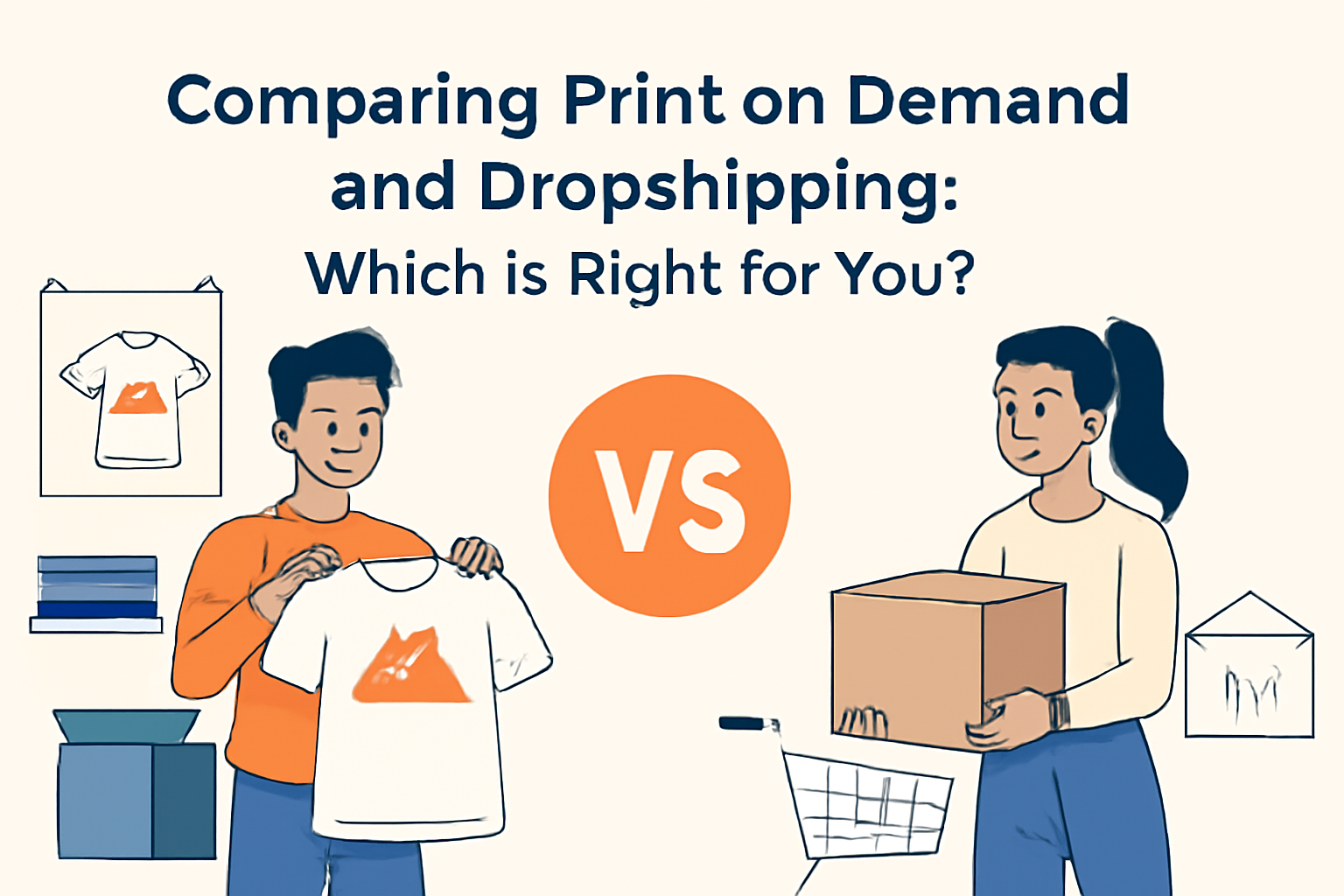
When diving into the world of online selling, two popular models often come up: print on demand and dropshipping. Both offer unique advantages and challenges, making it essential to understand their differences before you commit to one. This guide will break down each option to help you make an informed decision.
Whether you're looking to launch a creative product line or simply want to sell existing items, understanding the nuances between print on demand and dropshipping can significantly impact your success. Let's explore these two business models, their trade-offs, and which might fit your entrepreneurial goals best.
Table of Contents
What is Print on Demand?
Print on demand (POD) is a retail fulfillment method where products are printed only after an order is made. This means you don't hold inventory; instead, you collaborate with a supplier who handles the printing and shipping directly to your customers. This model allows for a low-risk entry into the world of online selling, making it particularly appealing for new entrepreneurs. Your Comprehensive Guide to Print on Demand for Beginners.
Key Features of Print on Demand
- Customizable Products: You can create unique designs for various items, such as t-shirts, mugs, and posters. This flexibility allows you to cater to niche markets and seasonal trends effectively. For example, you might design holiday-themed apparel that can be quickly updated each year.
- No Upfront Inventory Costs: You pay for products only after you've made a sale. This means you can start your business with minimal financial risk. You can also experiment with different designs without the fear of unsold stock.
- Higher Profit Margins: With POD, you can set your prices based on your design's perceived value. By focusing on high-quality designs and targeting the right audience, you can achieve profit margins that are often higher than traditional retail methods.
How Print on Demand Works: A Step-by-Step Process
- Choose a Niche: Identify a specific market segment that interests you. Research trends and customer preferences to find a niche that has demand but isn't overly saturated.
- Select a POD Platform: Choose a print on demand service that aligns with your needs. Popular options include Printful, Teespring, and Redbubble. Each platform has unique features, so compare them based on product range, quality, and shipping times.
- Create Your Designs: Use graphic design tools like Canva or Adobe Illustrator to create eye-catching designs. Ensure your designs are high-resolution and follow the platform's guidelines for printing.
- Set Up Your Online Store: Use e-commerce platforms such as Shopify or Etsy to set up your store. Customize it to reflect your brand identity and ensure it's user-friendly.
- Market Your Products: Implement marketing strategies to drive traffic to your store. Utilize social media, email marketing, and paid advertising to reach your target audience. Consider influencer partnerships to expand your reach.
- Fulfill Orders: Once a customer places an order, the POD service prints the product and ships it directly to them. You receive payment after the order is fulfilled, minus the cost of production.
- Analyze and Optimize: Monitor your sales and customer feedback. Use analytics tools to track which products are performing well and which aren't. Adjust your marketing strategies and product offerings accordingly.
Common Mistakes to Avoid in Print on Demand
- Neglecting Quality Control: Always order samples of your products before selling them to ensure they meet your quality standards. Poor quality can lead to negative reviews and returns.
- Ignoring Market Research: Failing to understand your target audience can result in designs that don't sell. Take the time to research trends and customer preferences within your niche.
- Overcomplicating Designs: Simplicity often sells better than complexity. Ensure your designs are visually appealing but not cluttered. Test different styles to find out what resonates with your audience.
- Underestimating Shipping Times: Be transparent about shipping times with your customers. Long wait times can lead to dissatisfaction. Choose a POD provider with reliable shipping options.
- Neglecting Marketing: Just because you have a product doesn't mean people will find it. Invest time and resources into marketing strategies to promote your designs effectively.
By understanding these key features, processes, and potential pitfalls, you can successfully navigate the print on demand landscape. This model not only allows for creativity but also provides a lucrative opportunity for those looking to sell unique gifts online. With the right approach, print on demand can be a fulfilling and profitable venture. challenges in print on demand.
What is Dropshipping?
Dropshipping is a retail fulfillment method where a store doesn't keep the products it sells in stock. Instead, when you sell a product, you purchase the item from a third-party supplier who ships it directly to the customer.
Key Features of Dropshipping
- Wide Product Range: You can offer a broad range of products without the need to invest in inventory.
- Lower Risk: Since you don't pay for a product until you sell it, your financial risk is minimized.
- Speed of Business: It's easier to set up a dropshipping business quickly, allowing for faster entry into the market.
Comparison Table: Print on Demand vs. Dropshipping
| Feature | Print on Demand | Dropshipping |
|---|---|---|
| Product Customization | High - Custom designs for products | Low - Typically reselling existing products |
| Inventory Management | No inventory needed | No inventory needed |
| Profit Margins | Higher potential due to unique designs | Lower, as products are often priced competitively |
| Setup Time | Moderate - Requires design work | Quick - Easy to set up an online store |
| Shipping Time | Varies by supplier, can be longer | Usually longer shipping times from suppliers |
| Market Saturation | Less saturated with unique designs | Highly saturated with common products |
Detailed Insights on Each Feature
Product Customization
Print on Demand (POD) allows sellers to create unique products tailored to their audience. For example, if you design a quirky coffee mug with a funny slogan, that product can stand out in the market. In contrast, dropshipping typically involves selling established products from suppliers, limiting creativity and differentiation. Sellers in dropshipping often have to compete on price rather than uniqueness, which can be a disadvantage in a crowded market.
Inventory Management
Both POD and dropshipping eliminate the need for inventory management, making them attractive options for new entrepreneurs. However, with POD, you don't have to worry about overstock or unsold items since products are created on demand. In dropshipping, while you also avoid inventory, you must still manage supplier relationships and ensure that they have stock available. A common mistake in dropshipping is assuming that all suppliers will always have products in stock, which can lead to customer dissatisfaction if there are delays.
Profit Margins
The profit margins in Print on Demand can be significantly higher due to the uniqueness of the products. For instance, if you create a custom t-shirt that costs $15 to produce and sell it for $30, your profit margin is 50%. In dropshipping, products are often marked up only slightly above wholesale prices, making it harder to achieve similar margins. A typical mistake in dropshipping is underpricing products to compete, which can lead to losses.
Setup Time
Setting up a Print on Demand business requires time for designing products and creating a brand identity. This can involve using graphic design software or hiring a designer, which adds to the initial setup time. On the other hand, dropshipping can be set up quickly by choosing a supplier and listing products on an e-commerce platform. However, rushing the setup in dropshipping can lead to poor supplier choices, which can affect product quality and customer service.
Shipping Time
Shipping times can vary significantly in both models. In POD, the production time can add to the shipping duration, especially if the supplier is located far from the customer. For example, if a customer orders a custom hoodie, it may take several days to print and ship. In dropshipping, shipping times can also be long if suppliers are overseas. A common pitfall is not clearly communicating expected shipping times to customers, which can lead to dissatisfaction.
Market Saturation
The market for Print on Demand products is generally less saturated, especially for niche designs. This means that if you find a unique angle, you can capture a dedicated audience. Conversely, dropshipping often involves competing with numerous sellers offering the same products, making it harder to stand out. A good strategy for POD sellers is to focus on niche markets where they can build a loyal customer base, while dropshippers should aim to find unique products or bundles that set them apart from the competition.
Pros and Cons: Print on Demand vs. Dropshipping
Print on Demand Pros
- Ability to create and sell unique products.
- Potentially higher profit margins due to customization.
- Gives you creative control over your brand.
Print on demand (POD) allows sellers to design their own products, which can range from t-shirts to mugs, enabling them to cater to niche markets. This level of customization can lead to a loyal customer base that appreciates unique offerings. For example, if you create a series of t-shirts featuring local landmarks or inside jokes from a specific community, you're likely to attract buyers who resonate with those themes.
Moreover, POD businesses often enjoy higher profit margins compared to dropshipping. Since products are made to order, sellers can set premium prices for custom designs. However, it's essential to find a balance between pricing and perceived value to avoid alienating potential customers.
With POD, you have the creative freedom to establish your brand's identity. You can choose colors, designs, and styles that reflect your vision without being tied to a supplier's catalog. This control can lead to a more cohesive brand image and a stronger connection with your audience.
Print on Demand Cons
- Longer production and shipping times.
- Requires design skills or hiring a designer.
- Higher upfront costs for design work.
While the creative potential of POD is appealing, it does come with challenges. One significant drawback is the longer production and shipping times compared to dropshipping. Since each item is printed after an order is placed, customers may experience delays, which can lead to dissatisfaction and increased return rates. To mitigate this, it's crucial to set realistic shipping expectations and communicate transparently with customers.
Another con is the necessity for design skills. If you lack graphic design experience, you might need to hire a designer, which can increase your initial costs. When hiring, consider creating a detailed design brief to ensure the designer understands your vision. Additionally, consider utilizing design platforms that offer templates and tools to help you create your own designs, which can save costs in the long run.
Furthermore, upfront costs can be higher due to the need for quality design work. Investing in professional designs can pay off, but it's essential to evaluate which designs will resonate with your target audience. A checklist for evaluating designs could include:
- Does the design reflect current trends?
- Is it unique and not easily replicable?
- Does it align with your brand's message?
Dropshipping Pros
- Easy to start with minimal investment.
- Wide variety of products available without design work.
- Quick to set up and market.
Dropshipping offers a low barrier to entry for aspiring entrepreneurs. With minimal investment, you can set up an online store and start selling products without the need for inventory. This model allows you to test various product lines without the financial risk associated with purchasing bulk inventory.
Additionally, dropshipping provides access to a vast array of products across different categories. This means you can quickly pivot your offerings based on market trends or customer preferences without worrying about design or production. For instance, if you notice a spike in interest for eco-friendly products, you can easily add sustainable items to your store.
The quick setup and marketing potential are also significant advantages. Many dropshipping platforms offer user-friendly interfaces that allow you to launch your store within days. Coupled with the ability to utilize social media and online advertising, you can reach potential customers rapidly.
Dropshipping Cons
- Lower profit margins due to competition.
- Less control over product quality and shipping times.
- Market saturation with common products.
However, dropshipping is not without its downsides. One of the most significant challenges is the lower profit margins, primarily due to intense competition. As many sellers can easily access the same products, undercutting prices becomes a common strategy. To stand out, consider offering exceptional customer service, unique product bundles, or loyalty programs to encourage repeat purchases.
Another issue is the lack of control over product quality and shipping times. Since you rely on third-party suppliers, any issues with quality or delays can directly impact your business reputation. To address this, it's advisable to research and partner with reliable suppliers who have a proven track record. Establishing clear communication and setting expectations with these suppliers can also help mitigate potential problems.
Lastly, the market saturation of common products can make it challenging to differentiate your store. To combat this, focus on niche markets or unique product combinations that cater to specific customer segments. Conduct market research to identify gaps in the market and tailor your offerings accordingly. A checklist for identifying niche opportunities might include:
- What interests or hobbies are underserved in the market?
- Are there specific demographics looking for tailored products?
- What trends are emerging that competitors may not be addressing?
Which Option Fits You?
Deciding between print on demand and dropshipping depends on your goals, skills, and the time you're willing to invest. Here's a quick guide to help you choose:
- Choose Print on Demand if: You have a strong creative skill set, want to build a brand based on unique designs, and have the patience to manage longer shipping times.
- Choose Dropshipping if: You prefer a quick setup, want to sell a variety of products without creating designs, and are comfortable with competitive pricing.
Assessing Your Skills and Interests
Before making a decision, take a moment to assess your skills and interests. Ask yourself the following questions:
- Do I enjoy designing or creating unique products?
- Am I more interested in marketing and selling a diverse range of products?
- How much time can I dedicate to managing my online store?
Reflecting on these questions will provide clarity on which model aligns better with your personal strengths and business aspirations.
Long-Term Goals
Your long-term goals will significantly influence your choice. Consider the following:
- Brand Building: If you aim to create a recognizable brand with a loyal customer base, print on demand allows for more customization and branding opportunities.
- Product Variety: If you want to offer a wide range of products without the hassle of creating each one, dropshipping provides flexibility and ease of entry.
Financial Considerations
Understanding the financial implications of each model is crucial. Here are some points to consider:
- Print on Demand: Initial costs may include design software, marketing, and potentially higher product costs. However, margins can be higher if you successfully market unique designs.
- Dropshipping: Typically lower startup costs since you don't need to hold inventory, but margins can be thinner due to competition and pricing pressures.
Make sure to create a budget and forecast your potential earnings based on your chosen model.
Time Investment
Time is a valuable resource, and each model requires a different level of commitment:
- Print on Demand: Expect to spend time on design creation, marketing, and customer service. Shipping times may also require you to manage customer expectations effectively.
- Dropshipping: Generally requires less time on product creation, but you'll need to stay on top of supplier relationships and inventory management.
Consider your current schedule and how much time you can realistically allocate to your business when making your choice.
Common Mistakes to Avoid
Regardless of which option you choose, be aware of these common pitfalls:
- Neglecting Market Research: Failing to understand your target audience can lead to poor sales. Spend time researching trends and customer preferences in your niche.
- Ignoring Quality Control: With print on demand, ensure the quality of your designs and the products you choose. For dropshipping, vet your suppliers to avoid low-quality items.
- Underestimating Marketing Needs: Both models require effective marketing strategies. Don't assume customers will find you without a solid marketing plan.
Avoiding these mistakes can set you on a path to success, regardless of the business model you choose.
Challenges in Print on Demand and Dropshipping
Both models come with their own set of challenges. Understanding these can help you navigate your online selling journey more effectively. By identifying potential pitfalls and preparing for them, you can enhance your chances of success in the competitive online marketplace.
Challenges in Print on Demand
- Design and production errors can lead to unhappy customers.
- Ensure you have a robust quality check process in place. Always order samples of your products to check for print quality, color accuracy, and material feel.
- Consider using design software with built-in templates to minimize errors. Familiarize yourself with the specifications required by your print provider.
- Finding the right supplier can be time-consuming.
- Research multiple suppliers and compare their offerings, pricing, and customer reviews. Use a checklist to evaluate factors like product range, shipping times, and return policies.
- Start with a small order to test the supplier's reliability before scaling up your business.
- Marketing your unique designs requires additional effort.
- Develop a strong brand identity that resonates with your target audience. Utilize social media platforms effectively to showcase your designs and engage with potential customers.
- Implement SEO strategies for your product listings to enhance visibility in search engines. Use relevant keywords and high-quality images to attract traffic.
Challenges in Dropshipping
- Quality control can be an issue since you don't handle the products.
- Establish a relationship with your suppliers to discuss quality standards and expectations. Regularly communicate with them to address any issues that arise.
- Consider using a fulfillment service that allows you to check product quality before it gets shipped to customers.
- Shipping times can be lengthy and vary by supplier.
- Be transparent with your customers about shipping times. Provide estimated delivery dates on your website to manage expectations.
- Look for suppliers that offer faster shipping options or consider sourcing products from local suppliers to reduce delivery times.
- Higher competition with similar products can drive prices down.
- Differentiating your product offerings is crucial. Focus on niche markets where you can offer unique products or superior customer service.
- Utilize targeted advertising to reach specific customer demographics, increasing your chances of conversion despite competition.
Conclusion
Both print on demand and dropshipping offer viable paths for starting your online business. By weighing the pros and cons and understanding which model aligns with your strengths and goals, you can make a confident decision. Take a moment to evaluate your resources and preferences, and choose the option that resonates most with your vision. Remember that the journey to success in online selling is often a marathon, not a sprint. Happy selling!
Key Considerations for Your Decision
Before you finalize your choice between print on demand and dropshipping, consider these key factors:
- Initial Investment: Assess how much capital you are willing to invest upfront. Print on demand may require a bit more initial investment for design tools or subscriptions, while dropshipping often involves lower upfront costs.
- Product Range: Decide what kind of products you want to sell. If you aim for unique, custom products, print on demand might be your best bet. For a broader range of generic products, dropshipping could be more suitable.
- Control Over Branding: Think about how much control you want over branding and customer experience. Print on demand allows for more customization, while dropshipping may limit your branding options.
- Shipping and Fulfillment: Consider how important shipping times are for your business model. Print on demand typically has longer fulfillment times, which can affect customer satisfaction.
- Market Trends: Research market trends in your niche. Some products may perform better under one model than the other due to consumer demand.
Steps to Make Your Choice
- Define Your Goals: Write down your business goals. Are you looking to create a brand with unique products, or are you aiming for quick sales with generic items?
- Analyze Your Skills: Reflect on your skills. Are you comfortable with graphic design and creative processes, or do you prefer focusing on marketing and sales?
- Research Your Market: Conduct market research to understand what your target audience is looking for. Use surveys, social media polls, or keyword research tools.
- Test Both Models: If you're still unsure, consider testing both models on a small scale. Start with a few products in each category and measure which one resonates more with your audience.
- Gather Feedback: Once you have launched, gather customer feedback. This can help you refine your approach and decide whether to pivot towards one model or continue with both.
Common Mistakes to Avoid
As you embark on your journey, be wary of these common pitfalls:
- Neglecting Quality Control: Whether you choose print on demand or dropshipping, ensure that the quality of your products meets customer expectations. Poor quality can lead to returns and negative reviews.
- Ignoring Customer Service: Provide excellent customer service regardless of your chosen model. Respond promptly to inquiries and resolve issues to maintain a positive reputation.
- Underestimating Marketing Needs: Both models require effective marketing strategies. Don't assume that simply listing products online will lead to sales. Invest time in learning about digital marketing.
- Failing to Adapt: The online selling landscape is constantly changing. Stay informed about trends and be ready to adapt your business model as needed.
Final Thoughts
Your choice between print on demand and dropshipping should align with your personal strengths, market demands, and business goals. Embrace the learning curve and don't hesitate to seek advice from experienced sellers or communities. Remember, the most successful entrepreneurs are those who are willing to experiment, learn from their mistakes, and continuously improve. Whichever path you choose, stay committed, and enjoy the journey!
Enjoying This Article? Join The Free POD Community. Connect with other print-on-demand sellers, ask questions, and keep learning inside the Print On Demand Coach community.
Learn More