
Comparing Print on Demand and Traditional Retail
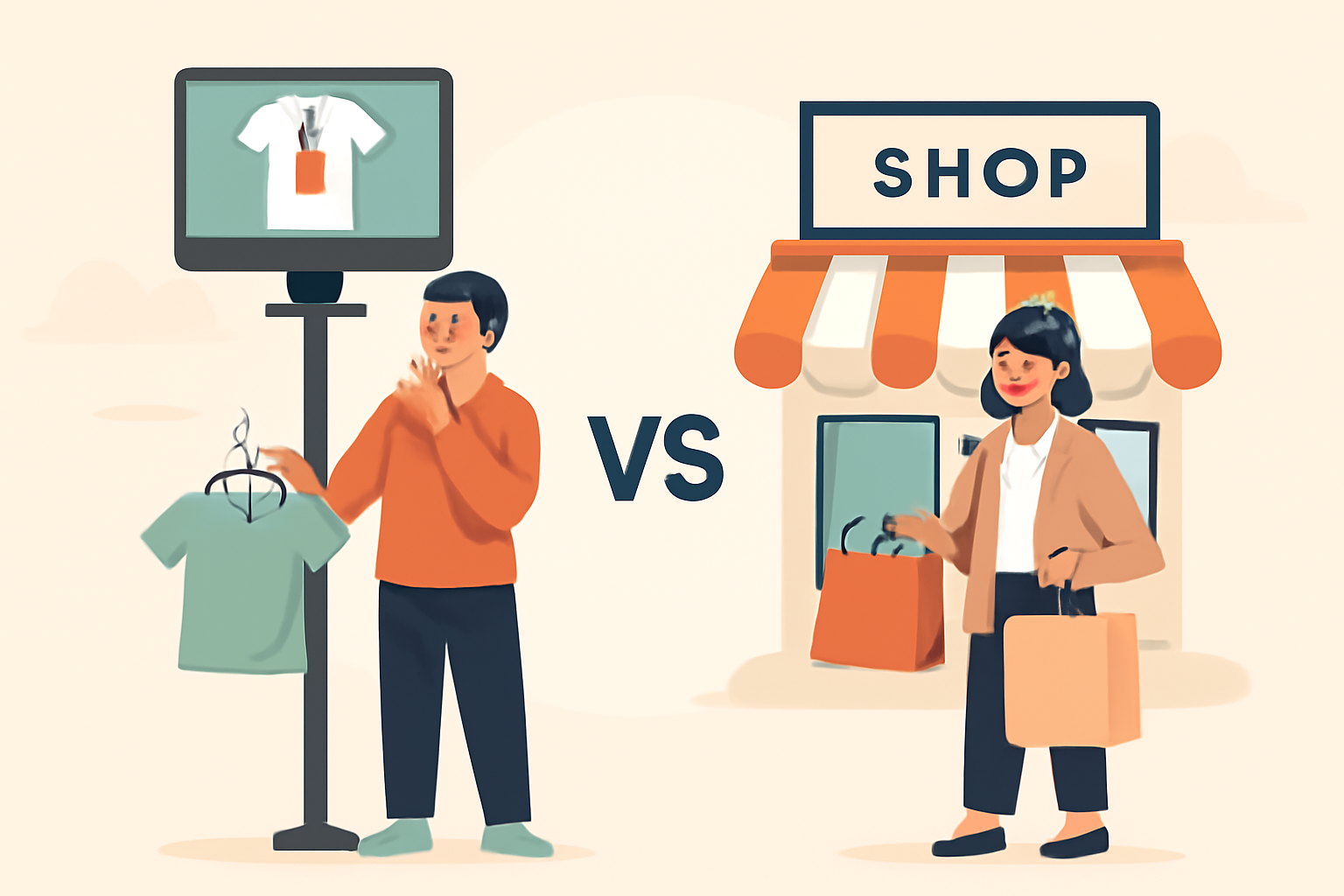
When it comes to selling products online, two popular models emerge: print on demand and traditional retail. Each approach has its own set of advantages and challenges, making it essential to understand their fundamental differences before diving in.
This comparison will help you navigate the tradeoffs between these two models, highlighting which might be the best fit for your business goals and lifestyle. Whether you're starting a new venture or looking to pivot your existing one, knowing the ins and outs of print on demand versus traditional retail is crucial for your success.
Table of Contents

Understanding Print on Demand
Print on demand (POD) allows sellers to customize products and fulfill orders only after a sale is made. This model eliminates the need for inventory and upfront costs, making it a low-risk option for many entrepreneurs. With POD, you can focus more on marketing and customer engagement rather than worrying about storing products or managing stock levels. A Comprehensive Guide to Etsy Print on Demand.
Key Features of Print on Demand
- No inventory management needed
- Customization options for products
- Lower startup costs
- Easy to scale based on demand
How Print on Demand Works
Understanding the mechanics of POD is crucial for anyone considering this business model. Here's a step-by-step breakdown of how it works: How to Overcome Common Challenges with Print on Demand.
- Create Your Designs: Start by designing your products. This could be anything from custom t-shirts to unique mugs. Use graphic design software or hire a designer if needed.
- Choose a POD Platform: Select a print on demand service that aligns with your product needs. Popular platforms include Printful, Teespring, and Redbubble. Each has its own set of features, product offerings, and pricing structures.
- List Your Products: Upload your designs to the chosen platform and set up your product listings. Make sure to write compelling descriptions and use high-quality images to attract potential buyers.
- Market Your Products: Use social media, email marketing, and SEO strategies to promote your products. Consider running paid ads to reach a larger audience.
- Fulfillment: Once a customer places an order, the POD service prints the product and ships it directly to the customer. You don't have to handle any physical products.
Common Mistakes to Avoid
While POD is an accessible way to enter the e-commerce space, there are pitfalls that can hinder your success. Here are some common mistakes to avoid:
- Neglecting Quality Control: Always order samples of your products to check the quality before listing them. Poor quality can lead to negative reviews and returns.
- Ignoring Shipping Times: Be transparent with your customers about shipping times. POD can sometimes have longer fulfillment times than traditional retail, so setting the right expectations is key.
- Overlooking Marketing: Just listing your products is not enough. Invest time in creating a marketing strategy that includes social media engagement and SEO optimization.
- Failing to Analyze Data: Use analytics tools to track your sales and customer behavior. This data can help you refine your product offerings and marketing strategies.
Benefits of Print on Demand
In addition to the features outlined, POD offers several benefits that make it an attractive option for new sellers:
- Flexibility: You can easily test new designs and products without the risk of unsold inventory. This flexibility allows you to adapt quickly to market trends.
- Global Reach: Many POD services have international shipping options, allowing you to sell to customers around the world without additional logistics headaches.
- Focus on Creativity: With the operational aspects handled by the POD provider, you can dedicate more time to creating unique designs and engaging with your audience.
Examples of Successful Print on Demand Businesses
To inspire your own POD journey, here are a few examples of successful businesses that have thrived using this model:
- Merch by Amazon: This platform allows designers to upload their artwork to be printed on various products. Many sellers have made significant incomes by leveraging Amazon's vast customer base.
- Redbubble: Artists can sell their designs on a wide range of products, from stickers to home decor. Redbubble handles everything from printing to shipping, allowing artists to focus on their creative work.
- Printful: This service integrates with e-commerce platforms like Shopify and Etsy, making it easy for sellers to manage their stores and fulfill orders seamlessly.
By understanding the mechanics, benefits, and potential pitfalls of print on demand, you can position yourself for success in this growing market. Remember, the key is to stay creative, engaged, and informed as you navigate the world of POD.
Exploring Traditional Retail
Traditional retail involves purchasing products in bulk, maintaining inventory, and selling them at a markup. While this model requires a higher upfront investment, it can lead to larger profit margins if managed correctly. Understanding the nuances of traditional retail is crucial for anyone considering this approach in their business strategy.
Key Features of Traditional Retail
- Higher profit margins on bulk purchases
- Control over inventory and product quality
- Potential for established customer relationships
- Brand presence through physical stores or extensive online catalogs
Steps to Successfully Manage Traditional Retail
To navigate the traditional retail landscape effectively, consider the following steps:
- Market Research: Conduct thorough research to understand your target audience, competitors, and market trends. Identify which products are in demand and how they are priced in the market.
- Supplier Relationships: Build strong relationships with suppliers to negotiate better prices and terms. This can include bulk discounts, flexible payment options, and reliable delivery schedules.
- Inventory Management: Implement an inventory management system to track stock levels, sales patterns, and reorder points. This helps prevent overstocking or stockouts, both of which can harm profitability.
- Marketing Strategy: Develop a comprehensive marketing strategy that includes both online and offline channels. Consider promotions, social media advertising, and local events to attract customers.
- Customer Service: Prioritize excellent customer service to foster loyalty. Train staff to handle inquiries and complaints effectively, ensuring a positive shopping experience.
- Evaluate Performance: Regularly assess sales data and customer feedback to identify areas for improvement. Adjust your product offerings and marketing tactics based on this analysis.
Common Mistakes in Traditional Retail
Even seasoned retailers can stumble. Here are some common pitfalls to avoid:
- Neglecting Market Trends: Failing to stay updated on market trends can lead to stocking outdated products. Regularly analyze market changes and adapt your inventory accordingly.
- Overestimating Demand: Purchasing too much inventory based on assumed demand can tie up capital and lead to markdowns. Use data-driven insights to make informed purchasing decisions.
- Poor Inventory Management: Inadequate inventory tracking can result in lost sales or excess stock. Invest in reliable inventory management tools to keep your stock levels in check.
- Ignoring Customer Feedback: Dismissing customer feedback can alienate your audience. Actively solicit and respond to customer opinions to enhance your offerings.
- Underestimating Marketing Efforts: Assuming customers will find you without marketing is a common mistake. Consistent marketing efforts are essential to drive traffic to your store.
Examples of Successful Traditional Retail Strategies
Learning from successful retailers can provide valuable insights. Here are a few strategies that have proven effective:
- Seasonal Promotions: Retailers often capitalize on holidays or seasons by offering special promotions, drawing in customers looking for gifts or seasonal items.
- Exclusive In-Store Events: Hosting events, such as product launches or workshops, can create buzz and encourage foot traffic, enhancing community engagement.
- Loyalty Programs: Implementing a loyalty program can incentivize repeat purchases, rewarding customers for their patronage and building long-term relationships.
- Personalization: Offering personalized shopping experiences, such as tailored recommendations or custom products, can differentiate your brand from competitors.
In conclusion, traditional retail can be a rewarding venture if approached with careful planning and execution. By understanding its key features, managing operations effectively, avoiding common pitfalls, and learning from successful strategies, you can maximize your profitability and build a loyal customer base.
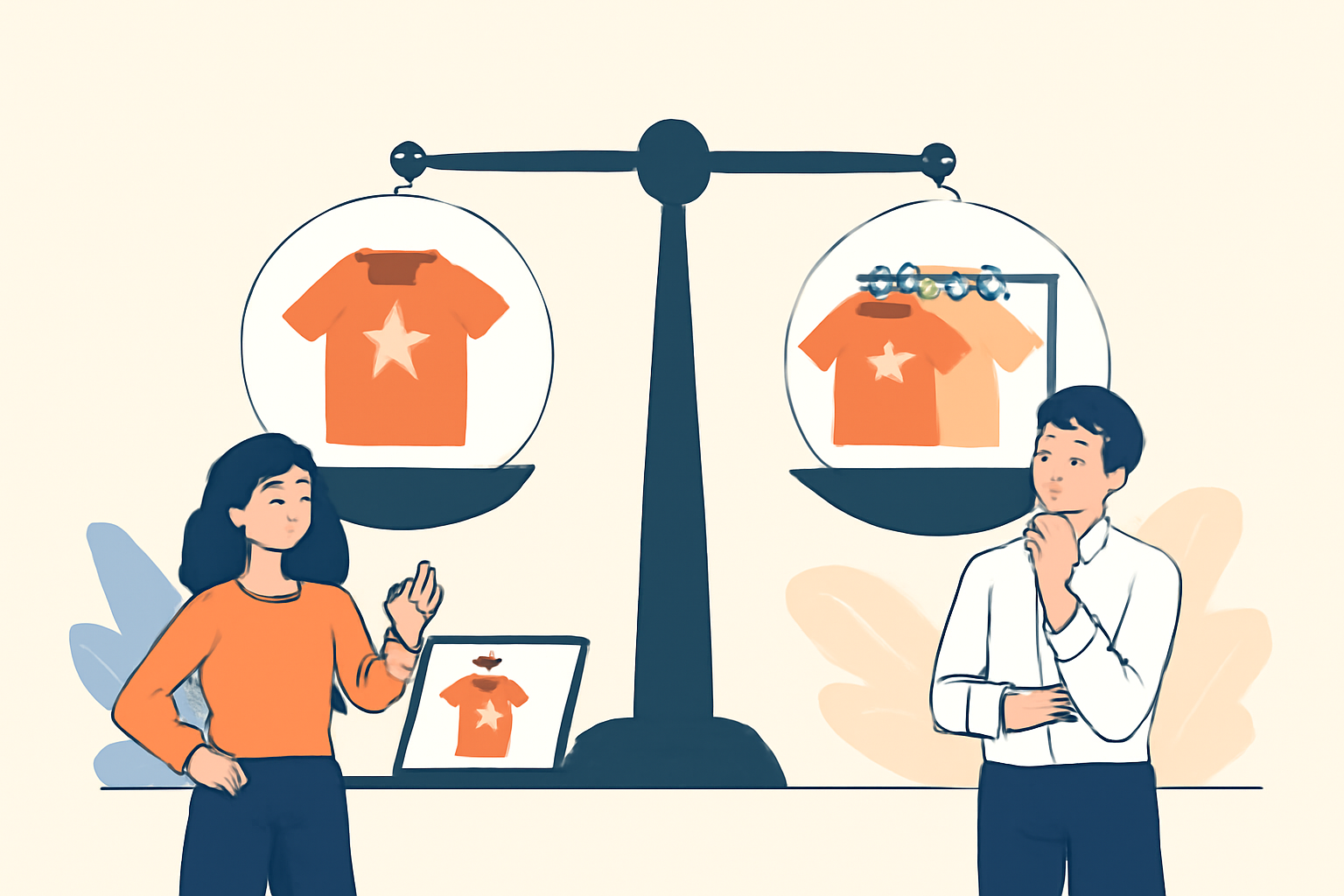
Comparison Table
| Feature | Print on Demand | Traditional Retail |
|---|---|---|
| Startup Costs | Low | High |
| Inventory Management | None required | Requires careful management |
| Customization | Highly customizable | Limited customization |
| Profit Margins | Generally lower | Potentially higher |
| Scalability | Easy to scale | Scaling can be challenging |
Detailed Analysis of Each Feature
Startup Costs
With print on demand, you can start your business with minimal investment. Typically, you just need a website and a design tool. You won't need to purchase bulk inventory, which is a significant cost saver. In contrast, traditional retail often requires a substantial upfront investment for inventory, store space, and various overhead costs. For example, a small retail shop might need $10,000 or more just to stock initial products.
Checklist for Startup Costs:
- Print on Demand: Website setup (domain, hosting, design tools)
- Traditional Retail: Rent, utilities, initial inventory purchase
Inventory Management
Print on demand eliminates the need for inventory management, as products are created only after a sale is made. This means no unsold stock and no storage costs. On the other hand, traditional retail requires careful tracking of inventory levels, which can be time-consuming and prone to errors. Retailers must consider factors like seasonal demand and product expiration, leading to potential losses.
Common Mistakes in Inventory Management:
- Overstocking, leading to markdowns
- Understocking, resulting in missed sales
Customization
Print on demand allows for a high degree of customization, enabling sellers to offer unique products tailored to their audience. You can create designs for specific niches, seasons, or events without additional costs. In contrast, traditional retail often limits customization due to the need for bulk orders, which can lead to generic products that may not resonate with customers.
Examples of Customization:
- Print on Demand: Personalized mugs, custom t-shirts, unique phone cases
- Traditional Retail: Limited to pre-designed products, often with set colors and sizes
Profit Margins
Profit margins in print on demand can be lower due to the costs associated with producing items one at a time. However, this model can still be profitable with the right pricing strategy and marketing efforts. Traditional retail, while potentially offering higher margins, often faces higher risks and costs associated with unsold inventory and markdowns.
Strategies to Improve Profit Margins:
- Print on Demand: Focus on niche markets, optimize pricing, and leverage social media marketing
- Traditional Retail: Implement loyalty programs, offer bundles, and manage inventory effectively
Scalability
Print on demand is inherently scalable, as you can quickly add new designs and products without the need for additional inventory. This allows you to respond to market trends and customer demands rapidly. Traditional retail, however, may require significant investment in infrastructure and inventory to scale, making it a slower process.
Steps to Scale Your Business:
- Print on Demand: Test new designs, analyze sales data, and expand marketing efforts
- Traditional Retail: Consider opening new locations, expanding product lines, and optimizing supply chains
Tradeoffs to Consider
When deciding between print on demand and traditional retail, consider the following tradeoffs:
- Investment: Print on demand requires minimal investment upfront, while traditional retail demands significant capital to purchase inventory. In POD, you only pay for products after they are sold, which means you can start your business with a lower financial barrier. For example, if you were to start a clothing line, with print on demand, you can create designs and list them online without buying a single shirt until a customer places an order. In contrast, traditional retail would require you to buy a bulk order of shirts, risking your capital on designs that may not sell.
- Risk: POD reduces the risk of unsold inventory, whereas traditional retail can lead to losses if products don't sell. With POD, you can test different designs and product types without the fear of being stuck with unsold stock. This flexibility allows you to pivot quickly based on customer preferences. On the other hand, traditional retail might leave you with a warehouse full of products that don't resonate with your audience, resulting in markdowns or clearance sales that eat into your profits.
- Speed: POD can offer faster fulfillment times for creative products, while traditional retail might be slower due to shipping and fulfillment processes. In the POD model, once a customer places an order, the product is printed and shipped directly to them, often within a few days. This is particularly beneficial for seasonal gifts or trending items where you want to capitalize quickly. Traditional retail, however, often involves a longer supply chain, where products must be manufactured, shipped to a retailer, and then sold to the consumer, which can take weeks or even months.
- Control: Traditional retail often provides more control over product quality and branding, which can be a significant factor for some businesses. When you manage your own inventory, you can ensure that every item meets your quality standards before it reaches the customer. This is crucial for building a strong brand reputation. In contrast, with print on demand, the quality can vary depending on the provider you choose. It's essential to research and select a reliable POD partner to maintain your brand's integrity.
Additional Considerations
Beyond the primary tradeoffs, there are other factors to weigh in your decision-making process:
- Scalability: Print on demand allows for easy scalability. As your business grows, you can add more designs and products without the need for additional inventory management. Traditional retail, however, may require you to invest more in inventory and logistics as you expand, which can slow growth.
- Market Trends: With POD, you can quickly adapt to market trends by introducing new products or designs without significant financial risk. Traditional retail often requires longer lead times to introduce new products, which can result in missed opportunities.
- Customer Engagement: POD businesses often engage directly with customers through social media and online platforms, fostering a community around their brand. Traditional retail may have less direct interaction with customers, limiting feedback and engagement.
Common Mistakes to Avoid
When navigating the tradeoffs between print on demand and traditional retail, be mindful of these common pitfalls:
- Underestimating Shipping Times: POD can sometimes lead to longer shipping times than expected, especially if you partner with a provider that has slower fulfillment processes. Always communicate estimated delivery times clearly to your customers.
- Neglecting Quality Control: If you choose POD, don't assume that all providers will deliver the same quality. Order samples from different suppliers to ensure the final product meets your standards.
- Ignoring Marketing Needs: Both models require strong marketing strategies, but POD sellers often underestimate the need for effective advertising to drive traffic to their online stores. Invest time in learning about digital marketing, SEO, and social media strategies.
In conclusion, weighing these tradeoffs can help you make an informed decision about whether print on demand or traditional retail is the right fit for your business. Each model has its advantages and challenges, and understanding them will empower you to choose the path that aligns best with your goals and resources.
Which Option Fits You?
To help you decide which model aligns with your goals, consider the following scenarios:
- If you are: Starting with limited funds and want to experiment with product ideas, then print on demand is a great choice.
- If you plan to: Build a brand with high-quality products and have the capital to invest, traditional retail may work better.
- If your focus is: On unique, personalized products, utilizing platforms like Shopify personalized products or Etsy custom product listings can enhance your print on demand strategy.
- If you want: To maintain steady cash flow and have a well-defined market, traditional retail might be the route to pursue.
Conclusion
Choosing between print on demand and traditional retail ultimately depends on your specific circumstances, goals, and resources. Each model has its unique advantages and challenges that can significantly impact your journey as a seller. Below, we'll break down some practical steps and considerations to help you make an informed decision.
Assess Your Goals
Before diving into either model, take a moment to clarify your business goals. Ask yourself the following questions:
- What are your revenue targets for the next year?
- How much time can you dedicate to managing your business?
- Do you have a specific niche or audience in mind?
- What is your risk tolerance regarding inventory and upfront costs?
By answering these questions, you can better align your chosen business model with your aspirations.
Evaluate Your Resources
Understanding the resources at your disposal is crucial. Here's a checklist to consider:
- Financial Resources: Determine your budget for startup costs, marketing, and ongoing expenses.
- Time Commitment: Assess how many hours per week you can realistically dedicate to your business.
- Skills: Consider your skills in areas like design, marketing, and customer service.
- Technology: Evaluate your access to tools and platforms that can streamline your operations.
Consider the Advantages and Disadvantages
Both print on demand and traditional retail come with their own sets of pros and cons. Here's a quick comparison:
- Print on Demand:
- Pros: Low upfront costs, no need for inventory, flexibility in product offerings.
- Cons: Potentially lower margins, reliance on third-party suppliers, longer fulfillment times.
- Traditional Retail:
- Pros: Greater control over inventory, potentially higher margins, established customer base.
- Cons: Higher upfront costs, risk of unsold inventory, more time-consuming to manage.
Take Action
Once you've assessed your goals and resources, it's time to take action. Here are some steps to get started:
- Research: Look into different print on demand platforms such as Printful, Teespring, or Redbubble, or explore local suppliers for traditional retail.
- Create a Business Plan: Outline your business model, target audience, marketing strategies, and financial projections.
- Start Small: Whether you choose print on demand or traditional retail, begin with a limited product range to test the waters.
- Launch Your Store: Set up your online store using platforms like Shopify or Etsy for print on demand, or create a physical space for traditional retail.
- Market Your Products: Utilize social media, email marketing, and SEO to drive traffic to your store.
Learn and Adapt
Whichever route you choose, remember that the business landscape is always evolving. Stay informed about industry trends, customer preferences, and technological advancements. Regularly review your performance metrics and be willing to pivot your strategy as needed. This adaptability will be key to your long-term success.
If you're still uncertain, consider exploring Print On Demand Coach training to deepen your understanding and refine your strategy. Whether you opt for a Shopify print on demand store or venture into traditional retail, taking action is the first step toward building your successful online business.
Enjoying This Article? Join The Free POD Community. Connect with other print-on-demand sellers, ask questions, and keep learning inside the Print On Demand Coach community.
Learn More