
Etsy Print on Demand vs Dropshipping: A Comprehensive Comparison
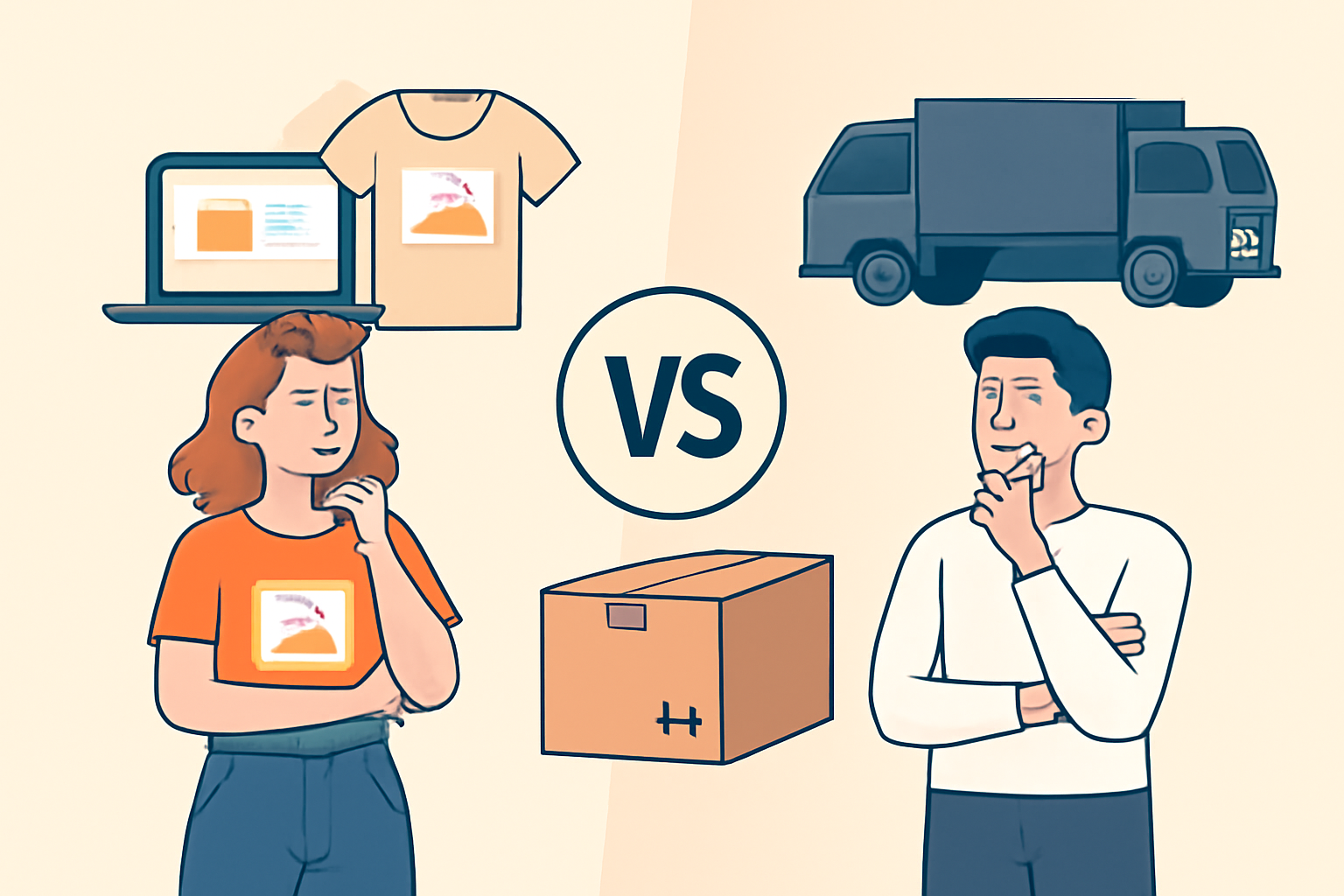
As you dive into the world of online selling, you may find yourself at a crossroads: should you utilize Etsy print on demand or opt for dropshipping? Both options offer unique benefits and challenges, making it essential to understand how they align with your business goals.
This comparison will help you navigate the key differences between Etsy print on demand and dropshipping, allowing you to make an informed decision about which model best suits your needs. By the end, you'll be ready to take the next step in your entrepreneurial journey.
Table of Contents

Understanding the Basics
Before we delve into the specifics, let's break down what each model entails. Understanding these fundamentals will give you a clearer perspective as we move through the comparison. A Comprehensive Guide to Etsy Print on Demand.
Etsy Print on Demand
Etsy print on demand allows you to sell custom products without holding any inventory. When a customer places an order, the product is created and shipped directly to them. This model is particularly popular for personalized items, such as T-shirts, mugs, and art prints. One of the key advantages of this model is the ability to offer unique, one-of-a-kind products that cater to specific customer preferences. common selling issues.
To effectively utilize the Etsy print on demand model, follow these steps:
- Choose Your Niche: Focus on a specific market segment, such as pet lovers or fitness enthusiasts. This helps in targeting your audience effectively.
- Select a Print on Demand Provider: Research and choose a reliable print on demand service like Printful or Printify that integrates seamlessly with Etsy.
- Create Your Designs: Use design software like Canva or Adobe Illustrator to create appealing designs that resonate with your target audience.
- List Your Products: Write compelling product descriptions and use high-quality images to showcase your designs on Etsy.
- Market Your Shop: Utilize social media, Etsy ads, and SEO strategies to drive traffic to your shop.
Common mistakes to avoid include:
- Neglecting product quality: Always order samples to ensure the quality meets your standards.
- Ignoring customer feedback: Use reviews to improve your designs and offerings.
- Underestimating shipping times: Clearly communicate shipping times to your customers to manage expectations.
Dropshipping
With dropshipping, you partner with a supplier who handles inventory and shipping. When a customer orders a product from your store, you purchase it from the supplier, who then ships it directly to the customer. This model can encompass a wide range of product types, not limited to custom items. Dropshipping allows for a broader selection of products without the risk of unsold inventory, making it an appealing option for many entrepreneurs.
To successfully implement a dropshipping business model, consider the following steps:
- Identify Your Market: Research trends and select a niche that has demand but isn't overly saturated.
- Find Reliable Suppliers: Use platforms like AliExpress or Oberlo to connect with trustworthy suppliers who offer quality products.
- Set Up Your Online Store: Use eCommerce platforms like Shopify or WooCommerce to create an easy-to-navigate online store.
- Optimize Product Listings: Write engaging product descriptions and use high-quality images to attract potential buyers.
- Implement Marketing Strategies: Leverage social media marketing, email campaigns, and influencer partnerships to increase visibility.
Be mindful of these common pitfalls:
- Choosing unreliable suppliers: Always vet suppliers to ensure they have a good reputation for quality and timely shipping.
- Overlooking customer service: Maintain open communication with customers and address their concerns promptly.
- Failing to test products: Order samples to check product quality and ensure it meets your standards before listing it.
Key Differences
Now that we have a foundational understanding, let's compare the two models across several important factors. Each factor plays a critical role in determining which model might be more suitable for your business goals. Below, we break down the key differences in detail, providing insights and practical examples to help you make an informed decision.
| Factor | Etsy Print on Demand | Dropshipping |
|---|---|---|
| Product Customization | High - custom products tailored to customer specifications. For example, you can create unique designs for t-shirts, mugs, or home decor that resonate with specific trends or customer requests. This level of customization allows you to cater to niche markets and create a personal connection with your customers. | Low - limited to existing products offered by suppliers. In this model, you typically choose from a catalog of pre-existing items. While you can often choose colors or sizes, the overall design and branding are not customizable. This can limit your ability to stand out in a crowded marketplace. |
| Inventory Management | No need for inventory. With print on demand, products are created only after a sale is made. This eliminates the risk of overstocking or unsold items, making it a low-risk option for new sellers. | No need for inventory. Similar to print on demand, dropshipping allows you to sell without holding inventory. However, you must ensure that your suppliers have sufficient stock to meet your orders, which can sometimes lead to backorders or stockouts. |
| Market Reach | Targeted to Etsy users. Etsy has a specific audience looking for handmade, vintage, or unique items. This can be advantageous if your products fit this niche, but it may also limit your exposure to a broader audience. | Wider market potential, depending on your platform. Dropshipping allows you to sell on various platforms (like Shopify, Amazon, or eBay), which can increase your market reach. However, this also means you'll face more competition, and you'll need to invest in marketing to drive traffic to your store. |
| Control Over Pricing | Full control over pricing and branding. You set your prices based on production costs, desired profit margins, and market trends. This allows you to position your products strategically and enhance your brand identity. | Limited control due to supplier pricing. In dropshipping, your profit margin is often determined by the supplier's pricing. You can set your prices, but if your supplier raises their prices, you may need to adjust yours accordingly, which can affect your competitiveness. |
| Shipping Times | Variable based on print provider. Shipping times can vary significantly depending on the print provider you choose. Be sure to communicate expected delivery times clearly to your customers, as longer wait times can impact customer satisfaction. | Variable based on supplier, often faster. Many dropshipping suppliers have established logistics and can ship products quickly, sometimes even with next-day delivery options. This can be a significant advantage if your target market values quick shipping. |
Common Mistakes to Avoid
- Neglecting Market Research: Before choosing between Etsy print on demand and dropshipping, conduct thorough market research. Understand your target audience and their preferences to avoid missteps in product selection.
- Ignoring Shipping Policies: Always review shipping policies of your print provider or dropshipping supplier. Unexpected delays can lead to unhappy customers, so factor in shipping times when setting customer expectations.
- Underestimating Branding: In print on demand, your branding is key. Skimping on design quality or failing to create a cohesive brand image can hurt your sales. Invest time in developing a strong brand identity that resonates with your audience.
- Overlooking Customer Service: Whether you choose print on demand or dropshipping, excellent customer service is crucial. Respond promptly to inquiries and resolve issues quickly to maintain a positive reputation.
Checklist for Choosing the Right Model
- Identify your target audience and their preferences.
- Evaluate your design capabilities and willingness to create custom products.
- Consider your budget for marketing and product sourcing.
- Assess your ability to manage customer service and fulfillment.
- Research potential suppliers or print providers and their shipping times.
- Decide on the importance of branding and customization in your business model.
Understanding these key differences will empower you to choose the model that best aligns with your business goals and customer expectations. Whether you lean towards Etsy print on demand or dropshipping, being informed will set you up for success in the world of online selling.
Pros and Cons
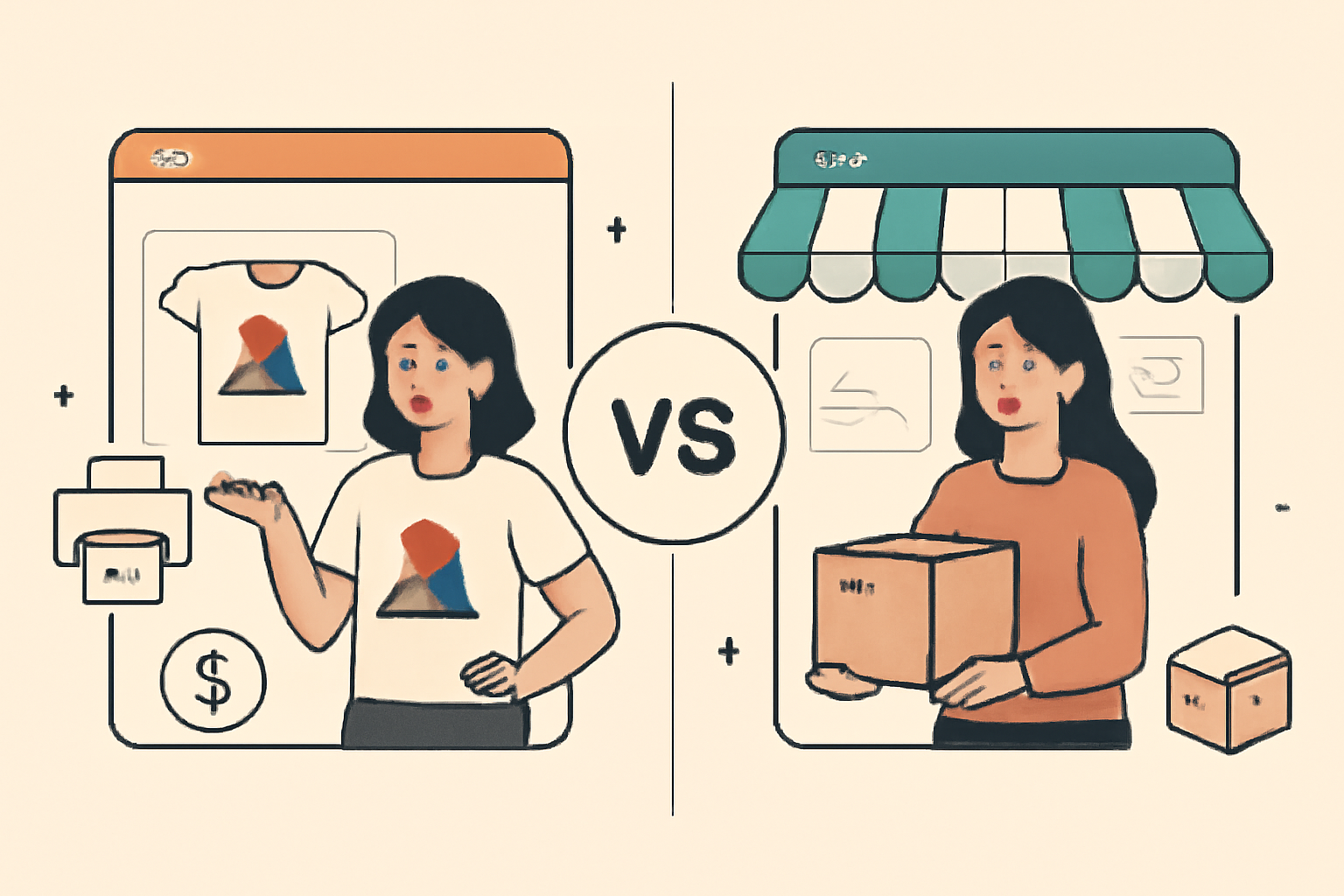
To help clarify your decision, let's examine the pros and cons of each model in more detail.
Etsy Print on Demand
Pros:
- Ability to create unique, personalized products that stand out in the marketplace.
- Connects you with a community of buyers looking for custom items.
- Great for building a brand around unique designs.
Cons:
- Potentially longer production and shipping times.
- Higher costs per item due to customization.
- Limited to the Etsy platform, which may restrict audience reach.
Dropshipping
Pros:
- Wide variety of products to choose from, allowing for a diverse store.
- Lower upfront costs since you only pay for products after a sale is made.
- Ability to sell on multiple platforms, increasing market exposure.
Cons:
- Less control over product quality and shipping times.
- Highly competitive market with many sellers offering similar products.
- Challenges in brand building due to reliance on suppliers.
Which Option Fits You?
Your choice between Etsy print on demand and dropshipping should align with your business goals and personal preferences. Here are a few scenarios to consider:
Choose Etsy Print on Demand If:
- You want to focus on creating unique, personalized products.
- You enjoy the Etsy community and the niche market it offers.
- You're willing to spend time on custom designs and marketing.
When opting for Etsy print on demand, it's essential to embrace the creative process fully. Here are some practical steps to help you thrive:
- Identify Your Niche: Research popular trends on Etsy to find a niche that resonates with your interests and has market demand. Use tools like EtsyRank or Marmalead to analyze search trends and competition.
- Create Unique Designs: Invest time in design software like Canva or Adobe Illustrator to craft visually appealing products. Consider offering customization options to attract buyers looking for personalized gifts.
- Optimize Your Listings: Write compelling product descriptions and use relevant keywords to enhance visibility. High-quality images are crucial; consider using mockup generators to showcase your designs effectively.
- Engage with the Community: Participate in Etsy forums, social media groups, and local craft fairs to build connections and gain insights from fellow sellers. Networking can lead to collaborations and increased visibility.
- Market Your Products: Utilize social media platforms like Instagram and Pinterest to share your creations. Consider running targeted ads to reach potential customers who are interested in your niche.
Common mistakes to avoid include neglecting customer service, failing to update your shop regularly, and not tracking your sales data. Staying engaged and responsive to customer inquiries can significantly enhance your reputation on Etsy.
Choose Dropshipping If:
- You prefer a broader product range without the need for design work.
- You want to reach a wider audience across multiple platforms.
- You're looking for a more hands-off approach to inventory management.
For those leaning towards dropshipping, here are actionable steps to streamline your business:
- Research Suppliers: Find reliable dropshipping suppliers that offer quality products and good shipping times. Platforms like Oberlo or Spocket can help you connect with reputable suppliers.
- Set Up Your Online Store: Choose an e-commerce platform like Shopify or WooCommerce to create your online store. Ensure your website is user-friendly and optimized for conversions.
- Curate Your Product Selection: Select a diverse range of products that align with your target audience's interests. Avoid overwhelming customers with too many choices; focus on quality over quantity.
- Implement Effective Marketing Strategies: Leverage social media advertising, influencer partnerships, and SEO techniques to drive traffic to your store. Email marketing can also be an effective way to keep customers engaged and informed about new products.
- Monitor and Adjust: Regularly analyze your sales data and customer feedback. Use this information to refine your product offerings and marketing strategies. Don't hesitate to pivot if certain products aren't performing well.
Common pitfalls in dropshipping include failing to establish strong supplier relationships, neglecting customer service, and not keeping track of shipping times. A proactive approach to these aspects can set you apart in a competitive market.
Overcoming Selling Difficulties
Both models come with their own set of challenges, such as customer management hurdles and marketing. If you opt for Etsy print on demand, ensure you're prepared to handle customer inquiries about custom orders. For dropshipping, focus on finding reliable suppliers to maintain product quality and shipping efficiency.
Common Challenges in Etsy Print on Demand
When selling on Etsy through print on demand, you may encounter specific challenges that require proactive solutions. Here are some common difficulties and how to overcome them:
- Customer Inquiries: Customers often have questions about customization options, sizing, and shipping times. To manage this effectively, create a detailed FAQ section on your shop page. Consider using automated responses for common queries to save time.
- Quality Control: Since you don't handle the printing yourself, it's crucial to choose a reputable print on demand partner. Order samples of your products to assess quality and ensure they meet your standards. Regularly check customer reviews to gauge satisfaction.
- Shipping Delays: Shipping times can vary, especially during peak seasons. Clearly communicate estimated delivery times in your listings and keep customers updated on their order status. If delays occur, proactively reach out to customers to maintain trust.
- Design Issues: Poor-quality designs can lead to unsatisfied customers. Use high-resolution images and ensure that your designs are optimized for printing. Familiarize yourself with the design specifications of your print on demand provider.
Common Challenges in Dropshipping
Dropshipping also presents unique challenges that can impact your business. Here are some issues you might face and strategies to address them:
- Supplier Reliability: Finding trustworthy suppliers is critical. Research potential suppliers by checking reviews and ratings on platforms like AliExpress or Oberlo. Establish a good relationship with your suppliers and communicate regularly to ensure they can meet your demands.
- Shipping Times: Long shipping times can frustrate customers. Choose suppliers that offer faster shipping options and be transparent about shipping times in your product descriptions. Consider using suppliers located closer to your target market for quicker delivery.
- Product Quality Control: Since you don't handle the products directly, quality can vary. Order samples from your suppliers to test the quality of their products. Implement a return policy that allows customers to return unsatisfactory items, which can help build trust.
- Inventory Management: Keeping track of inventory can be tricky with dropshipping. Use inventory management software to sync your store with your suppliers' stock levels. This helps avoid selling items that are out of stock.
Tips for Effective Customer Management
Regardless of the model you choose, effective customer management is essential for success. Here are some tips to enhance your customer service:
- Personalized Communication: Address customers by their names in emails and messages. Personal touches can enhance customer experience and foster loyalty.
- Timely Responses: Aim to respond to customer inquiries within 24 hours. Quick responses can improve customer satisfaction and increase the likelihood of repeat purchases.
- Follow-Up: After a purchase, send a follow-up email to thank customers and ask for feedback. This shows you value their opinions and can provide insights for improving your business.
- Utilize Social Media: Engage with customers on social media platforms. Share user-generated content, respond to comments, and create a community around your brand.
Checklist for Overcoming Selling Difficulties
To ensure you're prepared for the challenges ahead, use this checklist:
- Have a clear FAQ section on your Etsy shop.
- Order samples from your print on demand provider or dropshipping supplier.
- Establish communication protocols for customer inquiries.
- Set up automated responses for common questions.
- Regularly review customer feedback and ratings.
- Implement a return policy for unsatisfactory products.
- Maintain an updated inventory management system.
- Engage with customers through social media and email.
By anticipating these challenges and implementing effective strategies, you can navigate the complexities of either Etsy print on demand or dropshipping with greater confidence. This proactive approach not only enhances your customer experience but also sets a solid foundation for your online business's success.
Conclusion
Deciding between Etsy print on demand and dropshipping ultimately depends on your business vision and operational preferences. Both models have unique advantages and challenges that can significantly impact your success. To make an informed choice, it's essential to reflect on your goals, resources, and the market you wish to serve.
Here's a practical checklist to help you evaluate your options:
- Define Your Niche: Identify what products you want to sell and who your target audience is. Consider the demand for these products on Etsy versus a dropshipping platform.
- Assess Your Budget: Calculate your startup costs for both models. Print on demand may have higher initial costs due to design and production, while dropshipping might require a smaller upfront investment.
- Evaluate Your Time Commitment: Consider how much time you can dedicate to managing your business. Print on demand requires time for design and customer service, whereas dropshipping may demand more time for sourcing and order fulfillment.
- Test Both Models: If possible, run small-scale experiments with both Etsy print on demand and dropshipping. This will give you firsthand experience and insights into which model aligns better with your business style.
Common mistakes to avoid when choosing between these two models include:
- Neglecting Market Research: Failing to understand your audience can lead to poor product selection. Research trends and preferences to ensure you're meeting customer needs.
- Underestimating Fulfillment Times: Both models have different fulfillment timelines. Ensure that you communicate these timelines clearly to your customers to avoid dissatisfaction.
- Ignoring Quality Control: With dropshipping, you have less control over product quality. Always order samples to assess the quality of dropshipped items before selling them.
Ultimately, the decision should align with your long-term vision for your business. If you're passionate about custom designs and want to build a brand around unique offerings, Etsy print on demand might be the way to go. On the other hand, if you prefer a wider range of products with less involvement in the production process, dropshipping could be a better fit.
Ready to dive deeper? Explore Print On Demand Coach training to enhance your skills and knowledge in the online selling space. Our resources can help you refine your strategy, optimize your operations, and ultimately make the most of your chosen model.
Enjoying This Article? Join The Free POD Community. Connect with other print-on-demand sellers, ask questions, and keep learning inside the Print On Demand Coach community.
Learn More