
How to Leverage Print on Demand for Your Online Business
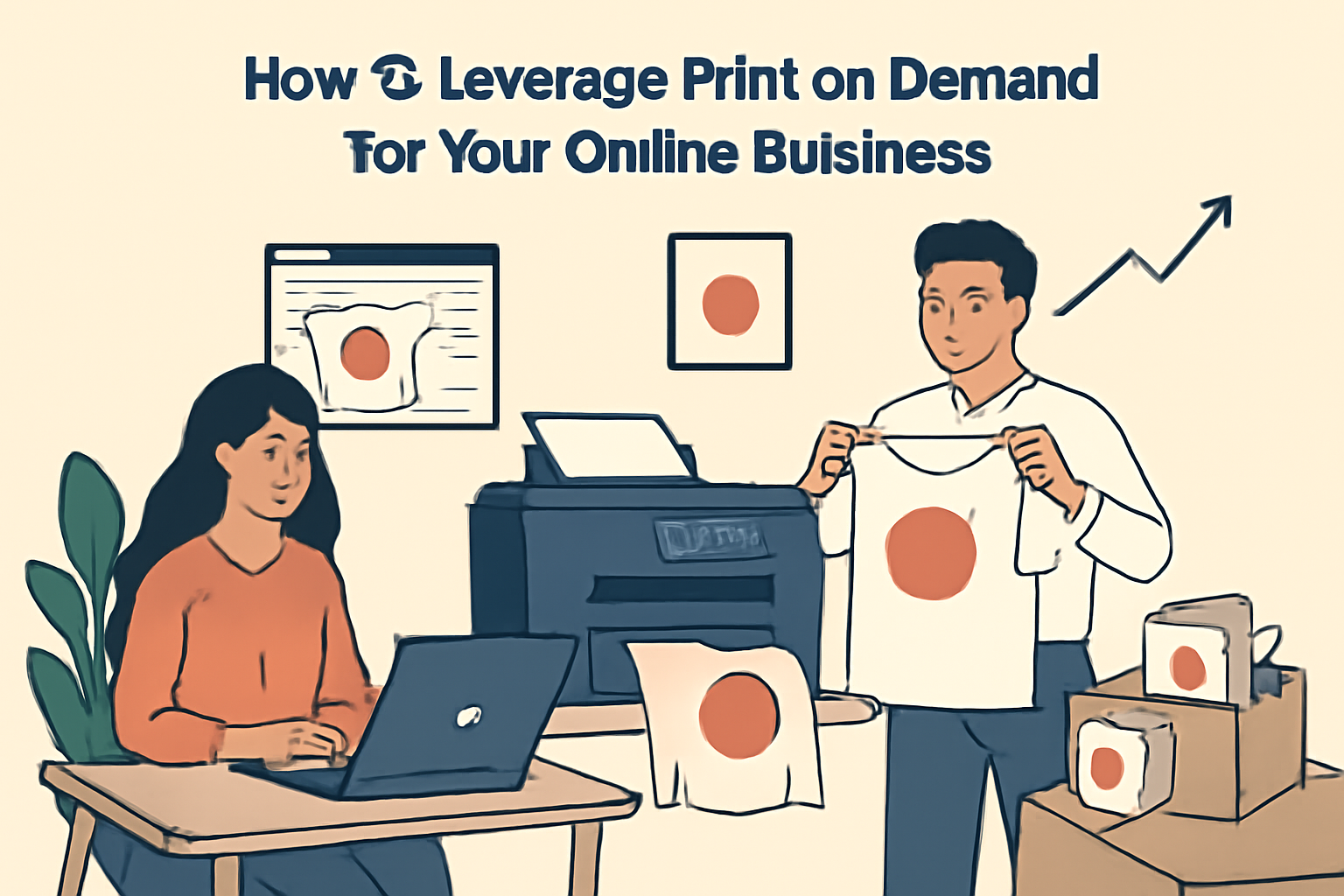
Print on demand (POD) is revolutionizing the way entrepreneurs create and sell products online. Whether you're a budding artist or a seasoned entrepreneur, leveraging POD can open up a world of opportunities without the risks associated with traditional inventory models. In this guide, we'll walk you through the steps needed to effectively utilize print on demand to grow your online business. Understanding the Latest Print on Demand Trends for 2024.
From setting up your store to marketing your unique creations, we'll cover everything you need to know to make the most of this innovative business model. So, grab a coffee and let's dive into the exciting world of print on demand!
Table of Contents

Step 1: Understand Your Niche
Before you dive headfirst into the world of print on demand, take a moment to pinpoint your niche. This will shape your product offerings and target audience. Understanding the Latest Print on Demand Trends for 2024.
Identify Your Target Audience
Ask yourself: Who are you creating for? Knowing your audience's interests, demographics, and purchasing habits can help you tailor your products and marketing efforts effectively.
Research Competitors
Check out what others in your niche are doing. Analyze their products, pricing, and customer engagement strategies to find gaps you can exploit.
Step 2: Choose the Right Platform
Your choice of platform can significantly impact your success. Two popular options for print on demand are Shopify and Etsy.
Shopify Print on Demand Store
Setting up a Shopify print on demand store is a great option if you want complete control over your branding and customer experience. Shopify offers various integrations with POD services, making it easy to manage orders and inventory.
Etsy Custom Product Listings
If you're looking for a marketplace with built-in traffic, consider Etsy. Creating Etsy custom product listings allows you to reach a vast audience interested in unique, handcrafted items.
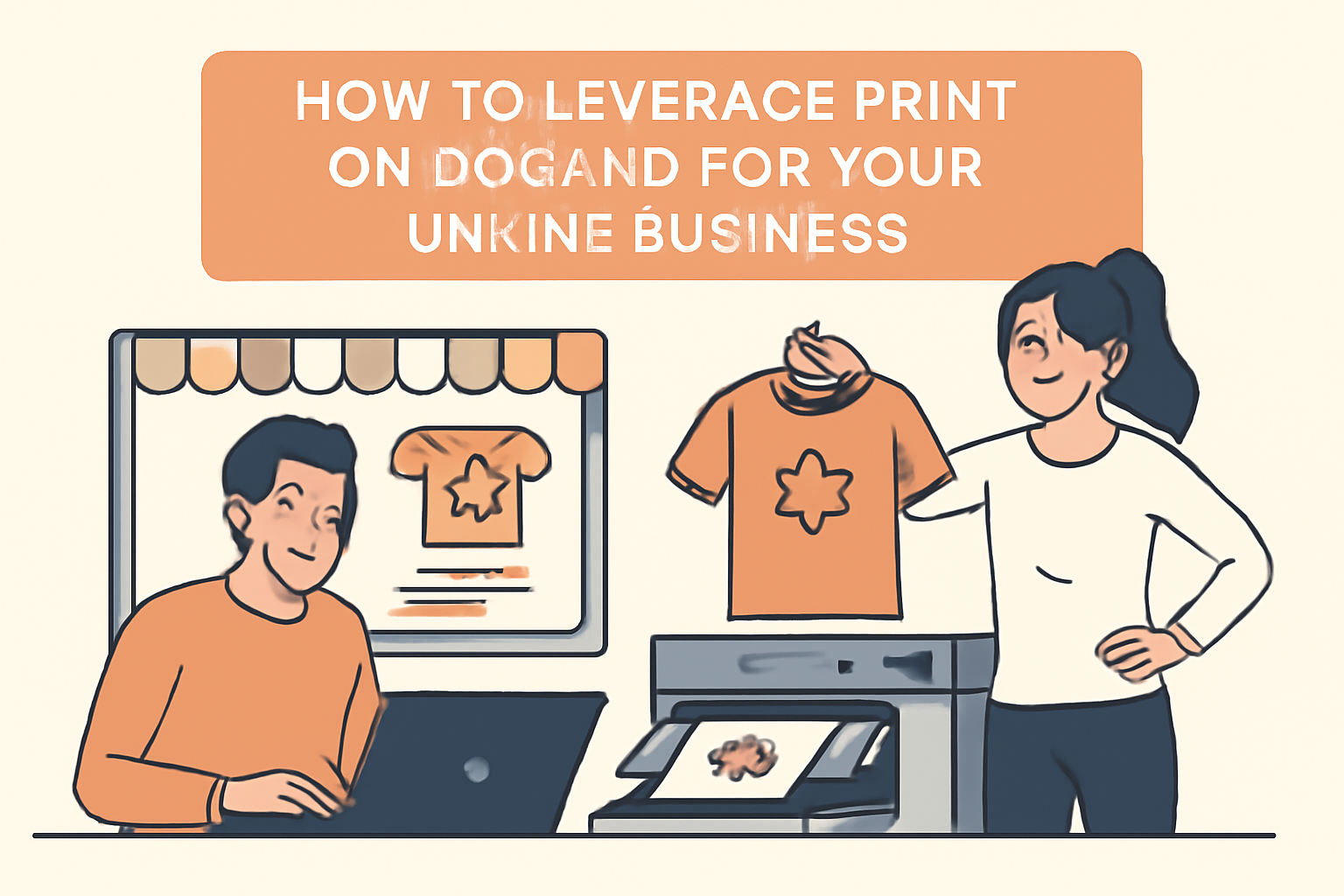
Step 3: Select Your Print on Demand Partner
Choosing the right POD partner is crucial for ensuring quality and reliability. The right partner can significantly impact your business's success, from product quality to shipping times. Here are a few popular options:
- Printful: Known for high-quality products and seamless integration with Shopify.
- Teespring: Great for selling apparel and home goods without upfront costs.
- Gooten: Offers a wide range of customizable products and good customer service.
Factors to Consider When Choosing a POD Partner
Before settling on a POD partner, evaluate these critical factors to ensure they align with your business goals:
- Product Quality: Order samples from potential partners to assess the quality of their products. Look for durability, print clarity, and material feel.
- Shipping Times: Research the average shipping times for each partner. Fast shipping can enhance customer satisfaction and reduce refund requests.
- Pricing Structure: Understand their pricing model, including base costs, shipping fees, and any additional charges. Make sure it allows for a reasonable profit margin.
- Integration Capabilities: Check if the POD partner integrates smoothly with your chosen e-commerce platform, such as Shopify, WooCommerce, or Etsy.
- Customer Service: Evaluate the responsiveness and support options available. A partner with good customer service can help resolve issues quickly.
Steps to Evaluate Potential POD Partners
Here's a step-by-step approach to help you evaluate and select the right POD partner:
- Research: Start by researching various POD companies. Look for reviews, testimonials, and case studies from other sellers.
- Compare Products: Create a comparison chart of potential partners based on product offerings, quality, and pricing. Include specific details about each product category you're interested in.
- Order Samples: Once you narrow down your options, order samples from each partner. Take notes on quality, packaging, and shipping time.
- Assess Customer Support: Reach out to customer support with questions. Evaluate their response time and helpfulness.
- Check Integration: Test the integration process with your e-commerce platform. Ensure it's user-friendly and efficient.
- Make Your Decision: After thorough evaluation, choose the partner that best meets your needs and aligns with your business goals.
Common Mistakes to Avoid
When selecting a POD partner, avoid these common pitfalls:
- Rushing the Decision: Take your time to evaluate options. Choosing a partner based on initial impressions may lead to issues down the line.
- Ignoring Shipping Costs: Be mindful of shipping costs, as they can eat into your profits. Ensure you factor these into your pricing strategy.
- Neglecting Customer Feedback: Pay attention to customer reviews and feedback about the POD partner. This can provide insights into potential issues.
- Overlooking Product Range: Choose a partner that offers a variety of products to diversify your offerings and appeal to a broader audience.
By carefully selecting your print on demand partner, you can set your business up for success, ensuring quality products and satisfied customers. Take your time, evaluate your options, and choose wisely!
Step 4: Create Unique Designs
Your designs are the heart of your print on demand business. Here's how to create products that stand out:
Design Tools
Utilize design software like Adobe Illustrator, Canva, or even free tools like GIMP to create eye-catching designs. Each tool has its strengths:
- Adobe Illustrator: Best for vector graphics and scalable designs. Ideal for logos and intricate artwork.
- Canva: User-friendly with a drag-and-drop interface. Great for beginners and quick designs with pre-made templates.
- GIMP: A powerful open-source alternative to Photoshop, perfect for photo editing and raster graphics.
Additionally, consider using platforms like Procreate for iPad, which offers a tactile drawing experience, perfect for creating original artwork. Remember to keep your designs in high resolution (at least 300 DPI) to ensure quality prints.
Design Principles
When creating designs, follow these principles to ensure they resonate with your audience:
- Color Theory: Use color combinations that evoke emotions and align with your brand identity. Tools like Adobe Color can help you create harmonious palettes.
- Typography: Choose fonts that are legible and fit the mood of your design. Mix and match fonts wisely, but limit yourself to two or three per design to maintain clarity.
- Balance and Composition: Ensure your designs have a focal point and that elements are evenly distributed to avoid clutter.
Test Your Designs
Before launching, test your designs on various products to see what resonates with your audience. Gather feedback to refine your offerings. Here's a step-by-step approach:
- Create Mockups: Use mockup generators like Placeit or Smartmockups to visualize how your designs will look on different products. This helps you assess the overall appeal.
- Conduct Surveys: Share your mockups with friends, family, or your target demographic. Use platforms like Google Forms to create simple surveys and gather opinions on design preferences.
- Social Media Polls: Utilize platforms like Instagram or Facebook to conduct polls. Share multiple designs and ask your followers which ones they prefer.
- Small Batch Testing: Consider printing a small batch of your designs on products and selling them at local markets or online to gauge interest before a full launch.
Common Mistakes to Avoid
As you create your designs, be mindful of these common pitfalls:
- Ignoring Trends: Stay updated on design trends and market demands. Websites like Pinterest and Behance can offer inspiration and insights into what's popular.
- Overcomplicating Designs: Simplicity often wins. Avoid cluttered designs that can confuse potential customers.
- Neglecting Your Niche: Ensure your designs cater to your target audience. Research their interests and preferences to create relevant content.
- Not Testing for Print Quality: Always order samples of your products to check the print quality and how your design translates onto the actual item.
Iterate and Evolve
Finally, remember that design is an iterative process. Don't be afraid to revisit and refine your designs based on feedback and sales performance. Keep track of which designs perform well and consider expanding on those themes or styles. Regularly update your offerings to keep your store fresh and engaging, attracting repeat customers and new audiences alike.
Step 5: Set Up Your Store
Now it's time to build your online presence. Follow these steps to set up your store:
Customize Your Storefront
Ensure your online store reflects your brand identity. Use consistent colors, logos, and messaging to create a cohesive look.
Add Product Listings
When creating listings, include detailed descriptions, high-quality images, and relevant keywords to optimize for search engines.
Implement Payment and Shipping Options
Select payment gateways and shipping options that are convenient for your customers. Offering multiple payment methods can boost conversion rates.
Step 6: Market Your Products
With your store set up, it's time to attract customers. Here are some effective marketing strategies:
Utilize Social Media
Platforms like Instagram and Pinterest are perfect for showcasing your products. Share engaging content, run contests, and collaborate with influencers to reach a wider audience.
Email Marketing
Build an email list and send regular newsletters featuring new products, promotions, and exclusive offers to keep your audience engaged.
SEO Best Practices
Optimize your product listings and blog content for search engines. Use keywords related to your niche to improve your visibility online.
Step 7: Monitor and Adjust Your Strategy
Finally, continually monitor your business performance and be ready to adapt your strategies. The print on demand landscape is always changing, and staying ahead requires vigilance. Here's how:
Track Key Metrics
Use analytics tools to track sales, website traffic, and customer behavior. Understanding these metrics can help you make informed decisions. Here's a breakdown of essential metrics to monitor:
- Sales Performance: Regularly check your sales figures, looking for trends over time. Identify peak sales periods and correlate them with marketing campaigns or seasonal trends.
- Website Traffic: Use tools like Google Analytics to see how many visitors your site receives, where they come from, and which pages they visit. This data can reveal if your marketing efforts are driving traffic effectively.
- Conversion Rate: Calculate the percentage of visitors who make a purchase. A low conversion rate might indicate issues with your website or product offerings.
- Customer Retention Rate: Track how many customers return for repeat purchases. High retention rates often mean your products and customer service are meeting expectations.
- Cart Abandonment Rate: Monitor how many customers add items to their cart but do not complete the purchase. This can indicate issues in the checkout process or pricing concerns.
By regularly reviewing these metrics, you can identify patterns and make data-driven decisions to optimize your business.
Seek Customer Feedback
Encourage customers to leave reviews and feedback. This insight can highlight areas for improvement and help you enhance customer satisfaction. Here are some strategies to effectively gather and utilize customer feedback:
- Post-Purchase Surveys: After a customer makes a purchase, send a brief survey asking about their shopping experience. Keep it short and focused to maximize responses.
- Incentivize Reviews: Offer discounts or freebies for customers who leave reviews. This not only boosts your review count but also encourages repeat business.
- Social Media Engagement: Use your social media platforms to ask for feedback directly. Create polls or ask open-ended questions to engage your audience.
- Monitor Online Reviews: Regularly check reviews on platforms like Trustpilot or Google. Respond to both positive and negative reviews to show customers that you value their input.
- Implement Changes: Use the feedback you gather to make tangible changes. If multiple customers point out the same issue, prioritize addressing it to improve overall satisfaction.
Customer feedback is invaluable for refining your product offerings and enhancing the overall shopping experience, so make it a priority in your business strategy.
Adjust Your Marketing Strategies
As you gather data and feedback, be prepared to adjust your marketing strategies. Here are some practical steps to consider:
- Test Different Marketing Channels: If a particular channel isn't performing, experiment with others. For instance, if Facebook ads aren't yielding results, try Instagram or Pinterest, which may resonate better with your audience.
- Refine Your Target Audience: Based on analytics, you might discover that a different demographic is more engaged with your products. Adjust your marketing messages to cater to this audience.
- Update Your Content: Regularly refresh your website content, including product descriptions, blog posts, and visuals. This keeps your site dynamic and can improve SEO.
- Seasonal Adjustments: Tailor your marketing strategies according to seasons and holidays. Create special promotions or themed products that align with these times to capitalize on increased consumer spending.
By continuously adapting your marketing strategies based on performance metrics and customer feedback, you can ensure that your print on demand business remains competitive and responsive to market needs.
Common Mistakes to Avoid
Even the best-laid plans can go awry. Here are some pitfalls to watch out for:
- Neglecting market research: Always stay updated on trends and customer preferences.
- Overlooking product quality: Ensure your POD partner maintains high standards.
- Ignoring customer service: Prompt and helpful responses can make or break your reputation.
1. Neglecting Market Research
Market research is the backbone of any successful print-on-demand business. Skipping this step can lead to poor product choices and missed opportunities. Here are some practical steps to ensure you stay informed:
- Use Tools: Leverage tools like Google Trends, Etsy, and social media platforms to identify what products are currently in demand. For example, if you notice a spike in searches for personalized gifts during the holiday season, consider adding those to your catalog.
- Engage with Your Audience: Create polls or surveys on your social media channels to directly ask your audience about their preferences. This not only helps you gather data but also builds a community around your brand.
- Analyze Competitors: Keep an eye on what successful competitors are doing. Look for gaps in their offerings that you can fill or trends they are capitalizing on that you can adapt to your style.
2. Overlooking Product Quality
The quality of your products heavily influences customer satisfaction and repeat business. Here's how to ensure you're offering top-notch items:
- Request Samples: Before launching any product, order samples from your POD provider. This allows you to check the print quality, material, and overall feel. For instance, if you're selling t-shirts, make sure the fabric is comfortable and the print doesn't fade after washing.
- Read Reviews: Look for reviews of your POD provider on platforms like Trustpilot or Reddit. Pay attention to comments regarding product quality and shipping times. If you see consistent complaints, it might be time to consider a different partner.
- Set Quality Standards: Clearly define what quality means for your brand. Create a checklist based on your findings from samples and reviews, and use it to evaluate products before they go live.
3. Ignoring Customer Service
Your customer service can be a game-changer. Here are some practical tips to enhance your customer support:
- Set Up a FAQ Section: Anticipate common questions and create a comprehensive FAQ on your website. This can save time for both you and your customers. Topics could include shipping times, return policies, and care instructions for products.
- Utilize Chatbots: Implement chatbots on your website to provide instant responses to inquiries. They can handle basic questions 24/7, which helps maintain customer engagement even when you're offline.
- Personalize Responses: When responding to customer inquiries, personalize your messages. Use their names and reference their specific issues. This builds rapport and shows that you value them as individuals rather than just sales.
- Follow Up: After resolving an issue, follow up with customers to ensure they are satisfied with the solution. This can turn a potentially negative experience into a positive one, leading to loyal customers.
4. Underestimating Shipping and Fulfillment
Shipping times and fulfillment processes can significantly impact customer satisfaction. Here's how to manage these aspects effectively:
- Be Transparent: Clearly communicate shipping times on your product pages. If a product takes longer to ship, let customers know upfront to avoid disappointment.
- Choose the Right POD Provider: Research and select a POD provider that offers reliable shipping options. Compare shipping rates and times, and consider providers that have warehouses closer to your target market.
- Implement Order Tracking: Offer order tracking to your customers. This feature can significantly reduce inquiries about order status and enhance the customer experience.
5. Failing to Optimize Listings
Your product listings are often the first impression customers have of your brand. Here's how to ensure they are optimized for success:
- Use High-Quality Images: Invest in professional photography or high-quality mockups to showcase your products. Ensure that images are clear, well-lit, and show multiple angles.
- Craft Compelling Descriptions: Write engaging and detailed product descriptions that highlight the benefits and unique features of your items. Use storytelling to connect with your audience emotionally.
- Incorporate Keywords: Research and include relevant keywords in your titles and descriptions to improve search visibility. This will help potential customers find your products more easily.
Conclusion
Leveraging print on demand can be a lucrative venture if approached correctly. Start by defining your niche, choosing the right platform, and creating unique designs that resonate with your target audience. As you grow, remember to monitor your performance and adjust your strategies as needed. Now, take the first step and start exploring your niche today!
Key Takeaways
- Define Your Niche: Understand who your target audience is and what products they are interested in. Use tools like Google Trends or social media insights to identify popular trends and gaps in the market.
- Choose the Right Platform: Research various print on demand platforms like Printful, Teespring, or Redbubble. Consider factors such as product range, pricing, ease of use, and integration with your online store.
- Create Unique Designs: Invest time in designing products that stand out. Utilize design tools like Canva or Adobe Illustrator, and consider hiring freelance designers if you need help.
- Monitor Performance: Regularly check your sales metrics and customer feedback. Use analytics tools to track which products are performing well and which need improvement.
- Adjust Strategies: Be flexible and willing to pivot your approach based on what the data tells you. This may include tweaking your marketing strategies, updating designs, or even exploring new niches.
Common Mistakes to Avoid
- Ignoring Market Research: Skipping this step can lead to creating products that no one wants. Always validate your ideas with potential customers before launching.
- Overcomplicating Your Designs: Simple, clear designs often perform better than overly complex ones. Focus on clarity and message.
- Neglecting Customer Service: Providing excellent customer support can set you apart from competitors. Respond to inquiries promptly and handle complaints with care.
- Failing to Promote Your Products: Relying solely on the platform for visibility is a mistake. Use social media, email marketing, and SEO to drive traffic to your store.
- Not Testing Different Products: Don't put all your eggs in one basket. Experiment with various products to see which ones resonate best with your audience.
Next Steps
Now that you have a roadmap to leverage print on demand, it's time to take action. Here are some practical steps to get you started:
- Conduct Research: Spend a few hours researching your niche. Identify competitors and analyze their offerings.
- Set Up Your Store: Choose a print on demand platform and create your online store. Ensure it reflects your brand identity.
- Design Products: Create at least five unique designs to start with. Test them with friends or potential customers for feedback.
- Launch Marketing Campaigns: Use social media platforms to promote your products. Consider starting a blog or YouTube channel to share your journey and attract an audience.
- Evaluate and Iterate: After a month, review your sales and customer feedback. Adjust your designs and marketing strategies accordingly.
By following these steps and avoiding common pitfalls, you can successfully navigate the world of print on demand and build a thriving online business. Remember, the key is persistence and adaptability-don't be afraid to learn from your mistakes and keep pushing forward!
Enjoying This Article? Join The Free POD Community. Connect with other print-on-demand sellers, ask questions, and keep learning inside the Print On Demand Coach community.
Learn More