
How to Select the Right Coaching Program for You When You Are Unsure of Your Goals
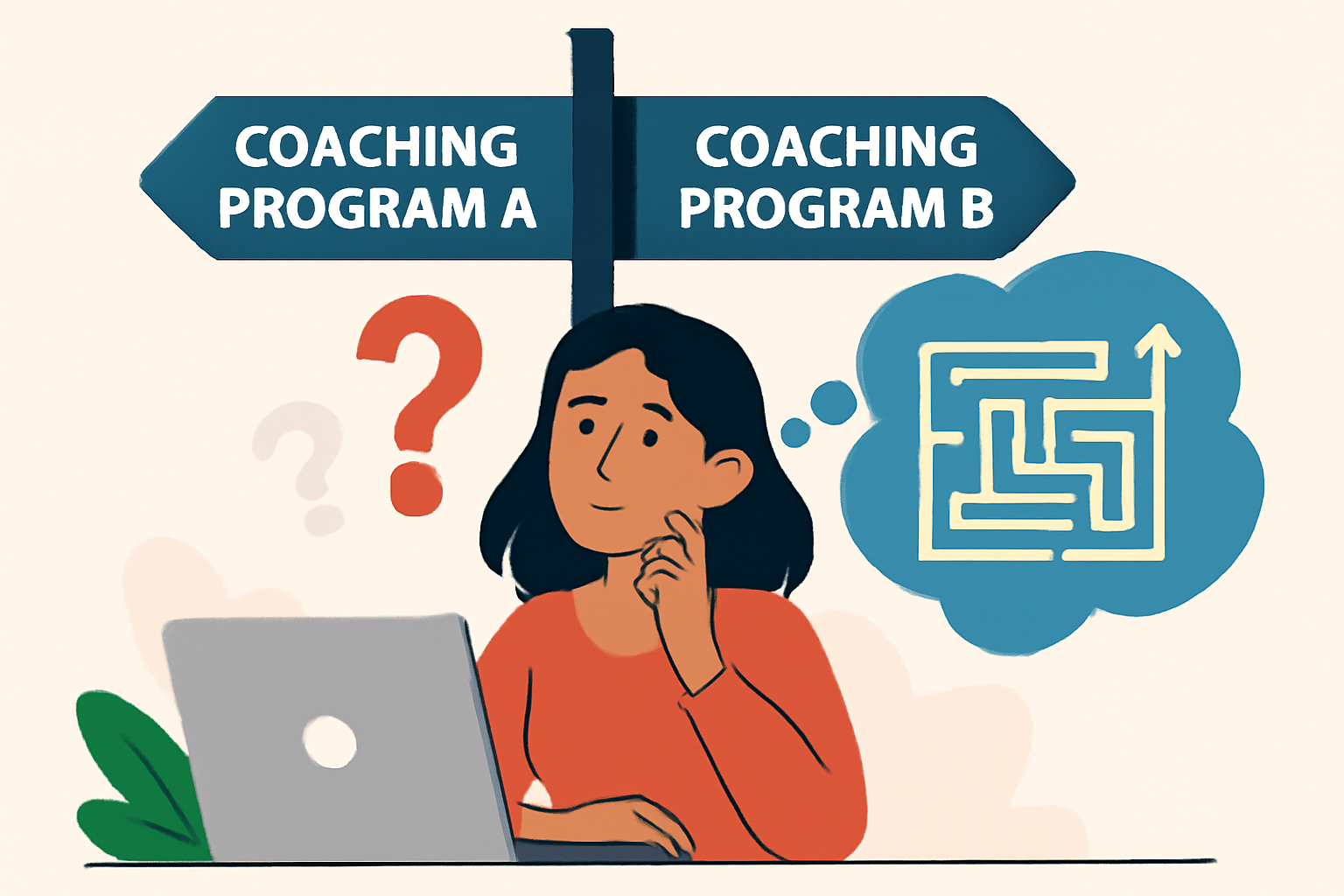
Choosing the right coaching program can feel like trying to find a needle in a haystack, especially when you're not even sure what you're looking for. With so many options available, it's easy to get overwhelmed and paralyzed by choice. However, if you're in a situation where you want to grow but aren't quite sure what your goals should be, don't worry! This guide will help you navigate through your doubts and find a coaching program that suits your needs.
In this post, we'll explore practical steps to help you identify your goals and select the perfect coaching program tailored to your situation. If this sounds like you, let's dive in!
Table of Contents

If This Is You...
Perhaps you've recently become interested in online business opportunities but feel lost about where to start. Maybe you've dabbled in building an online business but are unsure of your next steps. If you find yourself questioning what you really want to achieve or what kind of support you need, then this guide is tailored for you. Understanding your needs is the first step toward selecting the right coaching program. Comprehensive Guide to Making Money Online.
Identifying Your Goals
Before diving into the world of coaching programs, take a moment to reflect on your personal and professional goals. Consider the following steps: approaches to online coaching.
- Write Down Your Goals: Create a list of what you want to achieve in your online business. Are you looking to make a side income, replace your full-time job, or simply learn a new skill?
- Be Specific: Instead of vague aspirations like "I want to be successful," specify your goals. For example, "I want to sell 100 products each month" or "I want to generate $1,000 in revenue within six months."
- Prioritize Your Goals: Rank your goals based on their importance to you. This will help you focus on what matters most and guide your choice of coaching program.
Assessing Your Current Skill Level
Understanding your current skills will help you find a coaching program that meets you where you are. Follow these steps to assess your skill level:
- Self-Evaluation: Take an honest look at your strengths and weaknesses. Are you comfortable with technology, or do you struggle with basic online tools?
- Seek Feedback: Ask friends or colleagues for their perspective on your skills. They might point out strengths you didn't recognize or areas for improvement.
- Take a Skills Assessment: Consider taking online assessments or quizzes that help gauge your knowledge in areas relevant to your business goals.
Determining the Type of Support You Need
Support can come in many forms, and identifying what you need is crucial. Here's how to clarify your support requirements:
- Mentorship vs. Community: Decide whether you prefer one-on-one mentorship or being part of a community. Some people thrive with direct guidance, while others benefit from group dynamics.
- Accountability: Reflect on how much accountability you need. Do you work better with regular check-ins, or are you self-motivated?
- Specific Knowledge: Identify if you need help with a specific aspect of your business, such as marketing, product design, or customer service.
Common Mistakes to Avoid
As you navigate your journey toward selecting a coaching program, be aware of these common pitfalls:
- Choosing Based on Hype: Don't select a program simply because it's popular or has flashy marketing. Research thoroughly to ensure it aligns with your goals.
- Ignoring Reviews: Failing to read testimonials or reviews can lead you to a program that doesn't deliver. Look for feedback from past participants to gauge effectiveness.
- Neglecting Your Budget: Be realistic about what you can afford. High-priced programs aren't always the best. Set a budget and stick to it.
Next Steps
Once you've clarified your goals, assessed your skills, and determined the type of support you need, you're ready to start researching coaching programs. Consider creating a comparison chart to evaluate different options based on criteria such as:
- Program content and structure
- Instructor qualifications and experience
- Cost and payment plans
- Community and networking opportunities
By taking these steps, you will be well-equipped to choose a coaching program that aligns with your aspirations and sets you on the path to success in your online business journey.
Step 1: Self-Assessment
Before you can select a coaching program, you must take some time to assess your own situation. Here are some questions to consider:
Identify Your Interests
What are you passionate about? Make a list of topics or activities that excite you. This can help narrow down the type of coaching you might need.
Evaluate Your Skills
What skills do you currently have? An honest evaluation of your strengths and weaknesses can guide you toward a coaching program that complements your existing abilities.
Define Your Challenges
What obstacles are you facing? Understanding what's holding you back can help you find a coaching program that addresses those specific challenges.

Step 2: Set Your Goals
Now that you've done a self-assessment, it's time to set some clear goals. Setting goals is not just a motivational exercise; it provides you with a roadmap for your journey in the print-on-demand business. Here's how to establish meaningful goals that guide your actions and decisions.
Short-Term vs. Long-Term Goals
Differentiate between what you want to achieve in the short term and what your long-term vision is. This can be anything from making your first sale online to building a sustainable business over the next few years. Here are some examples:
- Short-Term Goals:
- Launch your first product within the next month.
- Gain 100 followers on social media in the next six weeks.
- Complete a marketing strategy by the end of the week.
- Long-Term Goals:
- Achieve $1,000 in monthly sales within the next year.
- Expand your product line to include at least 50 unique items within two years.
- Build a brand that resonates with a specific niche market over the next five years.
When setting these goals, consider using a timeline to help you visualize your progress and adjust your strategies as needed. This can make your ambitions feel more tangible and achievable.
SMART Goals Framework
Use the SMART criteria (Specific, Measurable, Achievable, Relevant, Time-bound) to define your goals. This framework helps ensure that your goals are clear and reachable. Here's how to apply each component:
- Specific: Clearly define what you want to achieve. Instead of saying, "I want to make money," specify the amount and the method: "I want to earn $500 in the next three months by selling print-on-demand gifts."
- Measurable: Establish criteria for measuring progress. For instance, track your sales weekly to see if you're on pace to meet your $500 goal.
- Achievable: Ensure that your goal is realistic based on your current resources and capabilities. If you're starting from scratch, aiming for $500 in three months is more achievable than $5,000.
- Relevant: Your goals should align with your overall business objectives. If your main aim is to build a brand, focus on goals that contribute to brand awareness rather than just short-term sales.
- Time-bound: Set a deadline. This creates urgency and helps motivate you to take action. For example, "I will achieve my $500 goal by the end of the next quarter."
Checklist for Setting Goals
To ensure your goals are well-defined, use the following checklist:
- Have you written down your goals?
- Are your goals clear and specific?
- Can you measure your progress towards these goals?
- Are your goals realistic and achievable given your current situation?
- Do your goals align with your long-term vision for your print-on-demand business?
- Have you set deadlines for each goal?
Common Mistakes to Avoid
While setting goals is crucial, many people make common mistakes that can hinder their progress. Here are some pitfalls to avoid:
- Vague Goals: Avoid stating goals like "I want to be successful." Instead, be specific about what success looks like for you.
- Setting Too Many Goals: Focus on a few key goals instead of overwhelming yourself with too many objectives. This helps maintain focus and clarity.
- Ignoring Progress: Regularly review your goals and progress. If something isn't working, adjust your approach rather than sticking to a failing strategy.
- Not Celebrating Milestones: Acknowledge and celebrate when you achieve milestones. This can boost your motivation and keep you engaged in your journey.
By setting clear, actionable goals using the SMART criteria, differentiating between short-term and long-term objectives, and avoiding common pitfalls, you will create a solid foundation for your print-on-demand business. Remember, your goals are not just targets; they are the stepping stones to your success.
Step 3: Research Coaching Programs
With your goals in hand, it's time to research potential coaching programs. Here's how to do it effectively:
Check Reviews and Testimonials
Look for feedback from previous clients. What did they achieve through the program? This can give you insight into the coaching effectiveness analysis of each program.
Compare Coaching Styles
Different coaches have different styles. Some may be more hands-on, while others adopt a more laid-back approach. Determine what works best for your personality and learning style.
Evaluate Program Content
Does the program cover the topics you need? Make sure the content aligns with your goals in building an online business.
Step 4: Conduct Strategic Coaching Comparisons
Once you have a shortlist of coaching programs, it's time for comparisons. Here's how you can do it:
Create a Comparison Chart
List the programs side by side and compare essential factors such as cost, duration, content, and coaching style. This visual aid can help you see which program stands out. To create your comparison chart, follow these steps:
- Identify Key Factors: Start by determining what factors are most important to you. Common aspects to consider include:
- Cost: What is the total investment required?
- Duration: How long is the program? Is it a one-time session, a series of workshops, or an ongoing mentorship?
- Content: What topics are covered? Is the curriculum comprehensive and relevant to your goals?
- Coaching Style: Is it one-on-one, group sessions, or a mix? What methodologies do they use?
- Feedback Mechanisms: How does the coach provide feedback? Are there assessments or progress tracking?
- Build the Chart: Use a spreadsheet or a simple table format. List each program in rows and the factors in columns. This will allow for easy visual comparison.
- Rate Each Factor: Assign a score or rating for each program based on your research. You can use a scale of 1-5 or color codes to indicate strengths and weaknesses.
- Summarize Findings: After scoring, summarize your findings at the bottom of the chart. Highlight which program has the highest overall score and why.
Creating a comparison chart not only organizes your thoughts but also provides clarity in making a decision. You might even find it helpful to share this chart with friends or mentors for additional insights.
Consider the Coach's Experience
Look into the background of the coaches. Do they have experience in your area of interest? Their expertise can significantly impact the value of the coaching program. Here are some steps to assess a coach's experience:
- Review Their Credentials: Check if the coach has relevant certifications or qualifications. This can include degrees, coaching certifications, or specialized training in your field.
- Evaluate Their Track Record: Look for testimonials or case studies from past clients. Success stories can provide insight into the coach's effectiveness and approach.
- Assess Their Industry Knowledge: Find out if the coach has practical experience in the industry you're interested in. This could mean years of experience, notable achievements, or a strong professional network.
- Engage with Their Content: Many coaches publish articles, videos, or podcasts. Engaging with this content can give you a sense of their style, expertise, and how well they communicate their ideas.
- Schedule a Discovery Call: If possible, book a free introductory session. This allows you to gauge their personality, approach, and whether you feel comfortable working with them.
By conducting thorough research on the coach's experience, you can better understand how their background aligns with your goals. Remember, a coach with a wealth of experience in your specific area can provide invaluable insights and guidance that can accelerate your progress.
Step 5: Trust Your Instincts
After conducting thorough research and comparisons, it's time to make a decision. Here's how to ensure you're making the right choice:
Listen to Your Gut
Sometimes, your instincts provide the best guidance. If you feel particularly drawn to a program or coach, take that into consideration. Here are some tips to help you interpret your instincts:
- Reflect on Your Feelings: Take a moment to think about how you feel when you consider the program. Excited? Anxious? Trust those feelings; they can reveal a lot about your fit with the program.
- Visualize Your Success: Picture yourself in the program. Do you see yourself thriving? If the vision feels positive, that's a good sign.
- Consider Past Experiences: Reflect on previous coaching experiences or decisions. What felt right before? What didn't? Use those lessons to guide your choice.
Seek a Discovery Call
Many coaches offer a free discovery call. Use this opportunity to ask questions and gauge whether the coach aligns with your needs and values. Here are some questions you might consider asking during the call:
- What is your coaching philosophy? Understanding their approach can help you see if it matches your learning style.
- Can you share success stories from past clients? This gives you insight into their effectiveness and the types of results you can expect.
- What is the typical structure of your coaching sessions? Knowing what to expect can alleviate any anxiety about the process.
- How do you measure progress? This helps ensure that the coach is results-oriented and can adapt to your evolving needs.
- What support do you provide outside of sessions? Understanding the level of support can help you assess if you'll have the resources you need.
Trust the Vibe
Sometimes, the vibe of a coaching program can tell you more than any brochure or website. Pay attention to:
- Communication Style: Is the coach responsive and engaging? Do they communicate in a way that resonates with you?
- Community Feel: If the program includes a community aspect, observe the interactions. Are they supportive and positive? A thriving community can enhance your learning experience.
- Energy Levels: Notice the energy during the discovery call or any webinars. A coach who is passionate and excited about their work can inspire you to be more engaged.
Evaluate Your Comfort Level
Trusting your instincts also means evaluating how comfortable you feel with the coach and the program. Consider these aspects:
- Openness to Feedback: Do you feel comfortable sharing your thoughts and concerns? A good coach should create a safe space for open dialogue.
- Personal Connection: Do you feel a connection with the coach? This can be an important factor in your overall experience and success.
- Alignment with Your Goals: Ensure that the coach understands your goals and is genuinely interested in helping you achieve them.
Ultimately, trusting your instincts is about finding a balance between logic and intuition. Combine your research with your gut feelings, and you'll be better equipped to choose a coaching program that's right for you.
Conclusion
Choosing the right coaching program can be a fulfilling journey when you approach it with clarity and confidence. By assessing yourself, setting clear goals, researching programs, and trusting your instincts, you'll be well-equipped to make an informed decision. Remember, the right coaching program can be a game-changer in your journey to success!
Your next actionable step is to start your self-assessment today. Reflect on your interests, skills, and challenges to pave the way for a brighter future in building your online business.
Steps to Finalize Your Decision
Once you've gone through the initial stages of self-assessment and program research, it's time to narrow down your options and finalize your decision. Here are some practical steps to help you make that choice:
- Make a Pros and Cons List: Write down the advantages and disadvantages of each program you're considering. This visual aid can help clarify which program aligns best with your needs.
- Seek Feedback: Talk to past participants or current members of the programs. Their insights can provide a real-world perspective that you might not find in promotional materials.
- Attend a Free Session: Many coaching programs offer trial sessions or introductory webinars. Take advantage of these opportunities to gauge the coaching style and content.
- Evaluate the Commitment: Reflect on the time and financial commitment required for each program. Ensure it fits your current lifestyle and budget.
- Trust Your Gut: Sometimes your intuition can lead you in the right direction. If you feel excited about a particular program, that enthusiasm can translate into motivation and success.
Common Mistakes to Avoid
As you navigate the selection process, be aware of common pitfalls that can derail your decision-making:
- Rushing the Process: Take your time to explore your options. A hasty decision can lead to regret later on.
- Ignoring Red Flags: If something feels off about a program-whether it's the coach's communication style or the program's structure-don't ignore those feelings.
- Focusing Solely on Cost: While budget is important, consider the value and potential ROI of the program. Sometimes a higher investment can yield better results.
- Neglecting Support Systems: Ensure that the program offers a supportive community or mentorship opportunities. Isolation can hinder your progress.
- Overlooking Personal Fit: Not every coaching style works for everyone. Make sure the program's approach aligns with your learning preferences.
Reflecting on Your Journey
After you've made your choice and embarked on your coaching journey, take time to reflect regularly on your progress. Here are some prompts to guide your reflections:
- What new skills have I developed since starting the program?
- How have my perspectives on my business changed?
- What challenges have I faced, and how have I overcome them?
- Am I still aligned with my initial goals, or do I need to adjust them?
- What feedback from my coach or peers has been most impactful?
By continuously reflecting on your experiences, you can maximize the benefits of your coaching program and ensure that it remains a valuable part of your journey toward success.
Enjoying This Article? Join The Free POD Community. Connect with other print-on-demand sellers, ask questions, and keep learning inside the Print On Demand Coach community.
Learn More