
How to Use Print on Demand for Coaching: A Step-by-Step Guide
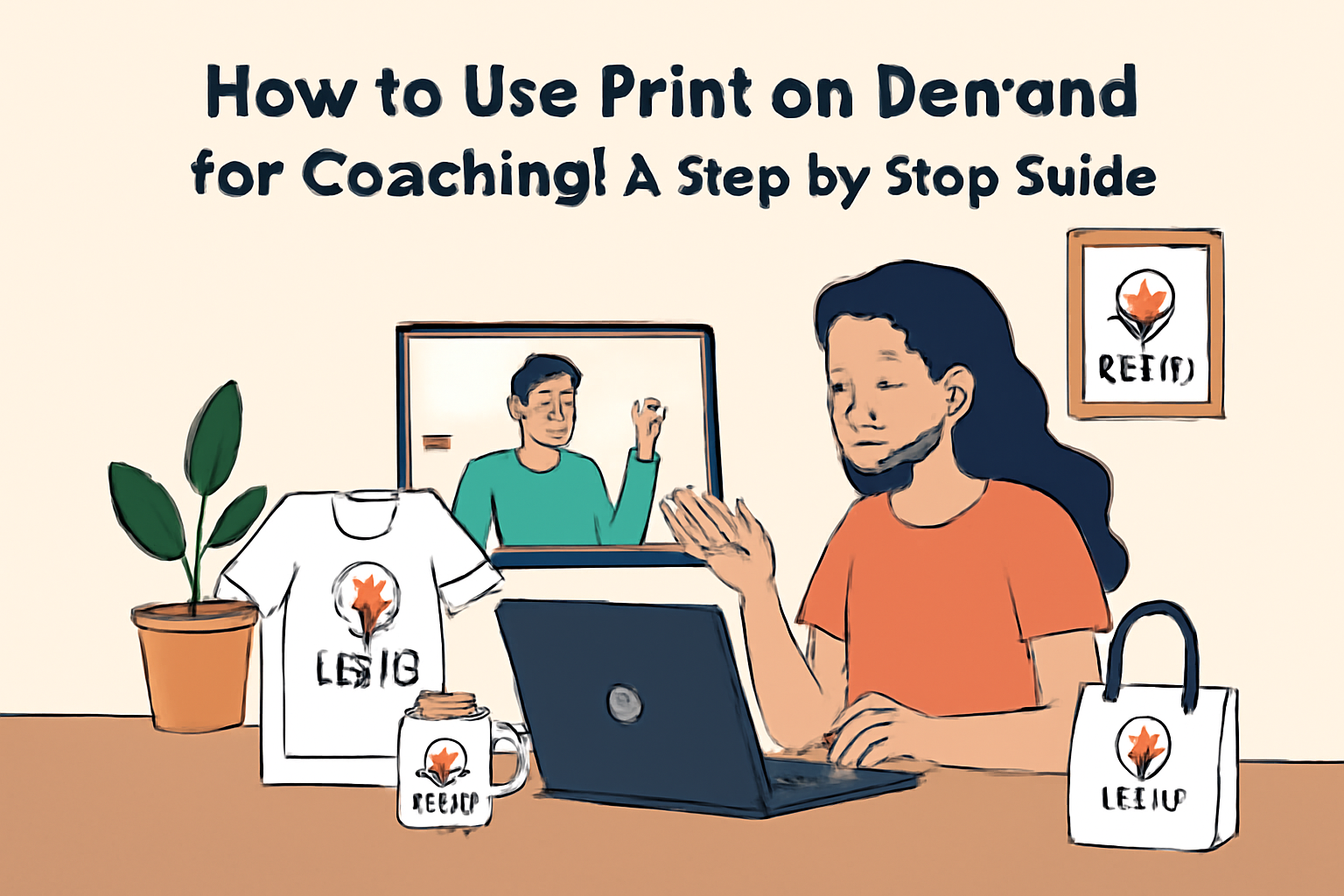
Are you a coach looking to expand your offerings and reach your clients in a more personalized way? Using print on demand for coaching can be a game changer. It allows you to create custom merchandise that resonates with your coaching philosophy and enhances your clients' experience.
This guide will take you through the essential steps to effectively implement print on demand solutions in your coaching business. From understanding the basics to creating your first merchandise line, we'll cover everything you need to know.
Table of Contents
- Step 1: Identify Your Niche and Audience
- Step 2: Choose the Right Print on Demand Platform
- Step 3: Design Your Merchandise
- Step 4: Set Up Your Online Store
- Step 5: Market Your Products
- Step 6: Monitor Performance and Gather Feedback
- Common Mistakes to Avoid
- Tools to Help You Succeed
- Checklist for Your Print on Demand Journey

Step 1: Identify Your Niche and Audience
Before diving into the world of print on demand, it's crucial to identify your coaching niche and target audience. This will help you tailor your merchandise to their needs and preferences. A Comprehensive Guide to Alek Print on Demand.
Define Your Coaching Style
Consider what makes your coaching unique. Are you focused on personal development, business coaching, or wellness? Your merchandise should reflect your coaching style and the values you want to share. creating unique gifts.
Research Your Audience
Conduct surveys or engage with your clients to understand their interests. What type of products would they find valuable? This insight will guide your design and product selection.
Step 2: Choose the Right Print on Demand Platform
There are numerous print on demand platforms available, each offering different features. The right choice depends on your specific needs and budget. Selecting the right platform is crucial as it can impact your product offerings, customer experience, and ultimately, your sales. Let's dive deeper into the options available and how to choose the best one for your coaching business.
Popular Platforms
- Printful
- Teespring
- TeeLaunch
- Redbubble
Evaluating Each Platform
When choosing a print on demand platform, consider the following factors:
1. Product Variety
Look for a platform that offers a wide range of products that align with your coaching niche. For example, if you coach wellness, you might want to offer items like:
- Motivational mugs
- Workout gear
- Journals
- Posters with inspirational quotes
Make sure the platform you choose has these products available, or at least the ability to customize items to fit your brand.
2. Pricing Structure
Understanding the pricing structure is essential. Most platforms charge a base price for their products, and you will need to set your retail price above this to make a profit. Here's a quick checklist to evaluate pricing:
- What is the base cost of the products you want to sell?
- Are there any additional fees for setup or monthly subscriptions?
- How does the pricing compare to other platforms?
- Is there a bulk discount for larger orders?
For example, if Printful has a base cost of $15 for a t-shirt, and you plan to sell it for $25, your profit margin is $10. Ensure that this margin is sustainable for your business model.
3. Shipping Options
Shipping can make or break your customer experience. Check the following:
- What are the shipping costs for different regions?
- How long does it take for items to be shipped?
- Does the platform offer tracking information?
- Are there options for expedited shipping?
For instance, if you're targeting a global audience, platforms that offer international shipping at reasonable rates will be more beneficial. Make sure to factor in shipping times when setting customer expectations.
4. Integration with Your Existing Website or Social Media
Seamless integration is key for managing your business efficiently. Here's what to look for:
- Does the platform integrate with e-commerce platforms like Shopify, WooCommerce, or Etsy?
- Can you connect it with your social media accounts for direct selling?
- Are there easy-to-use tools for managing orders and inventory?
For example, Printful integrates well with Shopify, allowing you to automate order fulfillment directly from your store, saving you time and reducing errors.
Common Mistakes to Avoid
Here are some pitfalls to watch out for when choosing a print on demand platform:
- Not Testing Product Quality: Always order samples of the products you plan to sell. This helps ensure the quality meets your standards and that the colors and prints are accurate.
- Ignoring Customer Service: Check reviews and test the customer service response time. A platform with poor support can lead to dissatisfaction among your customers.
- Overlooking Terms and Conditions: Read the fine print regarding copyright, returns, and refunds. Some platforms may have restrictive policies that could affect your business.
- Failing to Consider Scalability: Choose a platform that can grow with your business. If you plan to expand your product line or customer base, ensure the platform can handle increased demand.
By carefully evaluating these factors and avoiding common mistakes, you can select the right print on demand platform that aligns with your coaching business goals. This will set a solid foundation for your online sales strategy and help you effectively reach your target audience.
Step 3: Design Your Merchandise
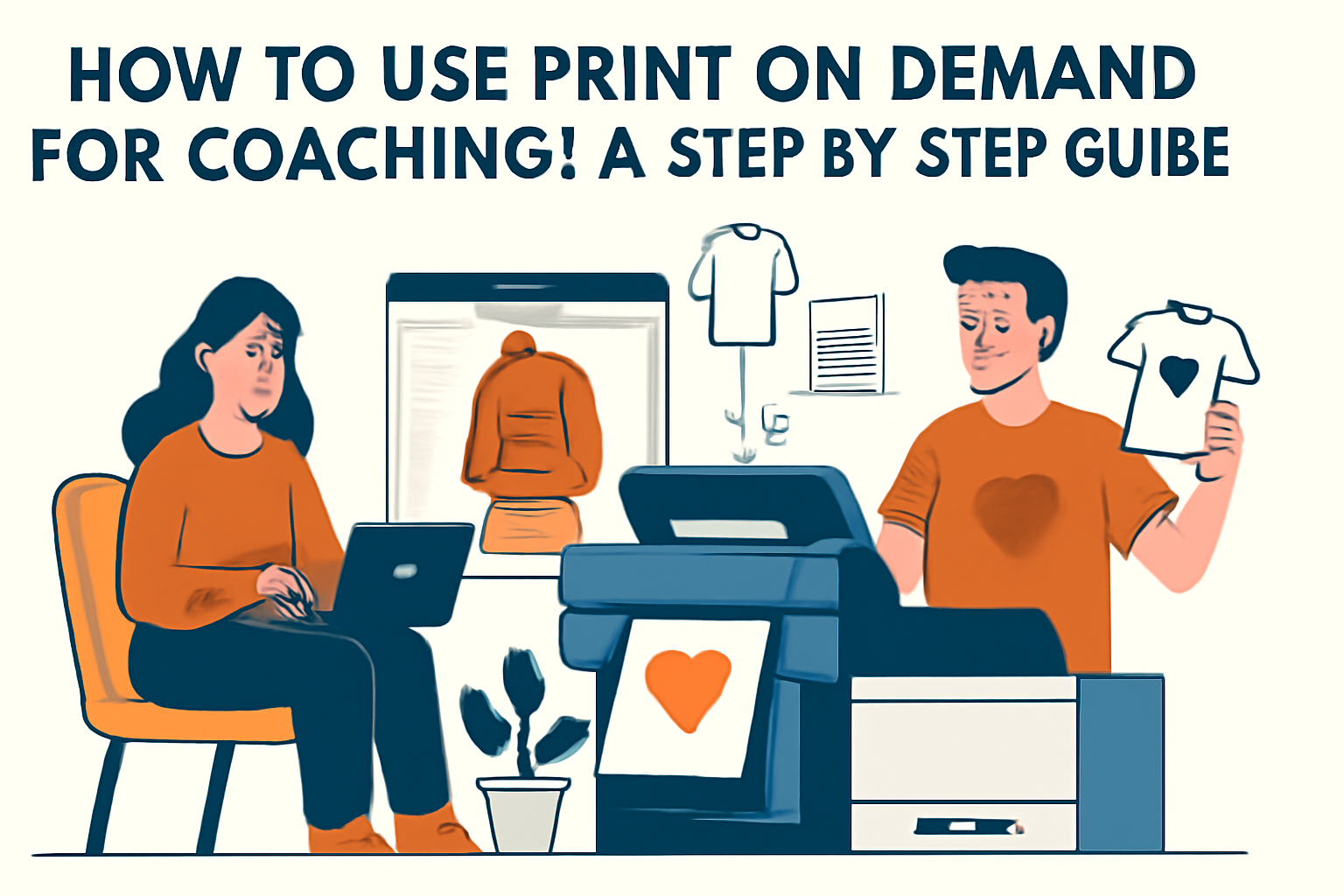
Creating appealing designs is key to the success of your print on demand products. This is where your creativity shines!
Using Design Tools
Tools like Canva, Adobe Illustrator, or even the design tools provided by print on demand platforms can help you create professional-looking designs. Consider incorporating motivational quotes, your logo, or unique graphics that align with your coaching brand.
Steps to Create Custom Merchandise
1. Sketch out your ideas and concepts.
2. Choose colors and fonts that represent your brand.
3. Create high-resolution images suitable for printing.
4. Upload your designs to the print on demand platform.
Step 4: Set Up Your Online Store
Once your designs are ready, it's time to set up your online store. This is where clients will browse and purchase your merchandise.
Choosing an E-commerce Solution
Platforms like Shopify, WooCommerce, or Etsy can help you create a seamless online shopping experience. Ensure your store is user-friendly and reflects your coaching brand.
Optimize Your Store for Sales
Utilize SEO strategies to drive traffic to your store. Use relevant keywords, engaging product descriptions, and high-quality images to enhance your listings.
Step 5: Market Your Products
Marketing is essential to inform your clients about your new merchandise. Use various channels to reach your audience effectively. The right marketing strategies can help you build a loyal customer base and enhance your brand visibility. Here's how to do it effectively.
Leverage Social Media
Share your products on platforms like Instagram, Facebook, and Pinterest. Engaging visuals and stories can attract potential buyers and drive sales. Here are some practical steps to maximize your social media marketing:
- Create a Content Calendar: Plan your posts ahead of time to maintain consistency. Include product launches, promotions, and engaging content that resonates with your audience.
- Utilize Hashtags: Research and use relevant hashtags to increase the visibility of your posts. Trending hashtags can help new users discover your brand.
- Engage with Your Audience: Respond to comments and messages promptly. Building a relationship with your followers can lead to higher engagement and loyalty.
- Run Contests and Giveaways: Encourage sharing and tagging by hosting contests. This can significantly increase your reach and attract new followers.
- Collaborate with Influencers: Partnering with influencers in your niche can expose your products to a larger audience. Choose influencers whose followers align with your target market.
For example, if you're selling motivational mugs, consider collaborating with a life coach influencer who can showcase your products in their content.
Email Marketing
Send newsletters to your clients highlighting new products, special offers, or seasonal promotions. Personalized emails can significantly boost your sales. Here's how to enhance your email marketing strategy:
- Build a Quality Email List: Encourage website visitors to subscribe to your newsletter. Offer incentives like discounts or free resources to entice sign-ups.
- Segment Your Audience: Divide your email list based on customer preferences or purchase history. This allows you to tailor your messages for different segments, increasing relevance and engagement.
- Craft Compelling Subject Lines: Your subject line is the first impression. Make it catchy and relevant to improve open rates. A/B testing different subject lines can help you identify what resonates best with your audience.
- Include Clear Calls to Action: Every email should have a clear purpose. Whether it's directing readers to your website or encouraging them to make a purchase, ensure your calls to action are prominent and persuasive.
- Analyze and Optimize: Use analytics to track open rates, click-through rates, and conversions. This data helps you understand what works and what needs improvement.
For instance, if you notice that emails featuring customer testimonials have higher click rates, consider incorporating more of these in future campaigns.
Content Marketing
Creating valuable content can establish you as an authority in your niche and attract organic traffic. Here are some effective content marketing strategies:
- Start a Blog: Share tips, success stories, and insights related to your coaching niche. This not only helps with SEO but also builds trust with your audience.
- Create Video Content: Videos can be more engaging than text. Consider tutorials, product showcases, or behind-the-scenes looks at your process.
- Utilize SEO Best Practices: Optimize your content for search engines by using relevant keywords, meta descriptions, and alt texts for images. This can improve your visibility and attract more visitors.
- Guest Blogging: Write guest posts for other blogs in your niche. This can help you reach a wider audience and establish credibility.
Paid Advertising
Investing in paid advertising can give your marketing efforts a significant boost. Here are some options to consider:
- Social Media Ads: Platforms like Facebook and Instagram offer targeted advertising options. You can reach specific demographics based on interests, location, and behavior.
- Google Ads: Running ads on Google can help you appear at the top of search results for relevant keywords. This is particularly effective for driving immediate traffic to your store.
- Retargeting Campaigns: Use retargeting ads to reach users who have previously visited your site but didn't make a purchase. This keeps your products fresh in their minds.
By combining these marketing strategies, you can create a comprehensive approach that effectively promotes your print on demand products. Remember to continually assess your efforts, adapt to changes in the market, and engage with your audience to foster a strong brand presence.
Step 6: Monitor Performance and Gather Feedback
After launching your print on demand products, it's important to monitor their performance and gather client feedback. This will help you refine your offerings over time.
Analyze Sales Data
Use analytics tools provided by your e-commerce platform to track sales, customer behavior, and trends. This data will guide future design and marketing decisions.
Client Feedback
Encourage clients to share their thoughts on your products. Use surveys or social media polls to gain insights into what they love and what they'd like to see improved.
Common Mistakes to Avoid
As with any new venture, there are pitfalls to watch out for when using print on demand for coaching. By identifying these common mistakes early, you can steer clear of potential setbacks and set yourself up for success.
- Not testing your designs before launching.
One of the biggest blunders is rushing to launch without testing your designs. Always order samples of your products to evaluate the quality, fit, and overall appearance. This step not only helps you ensure that your products meet your standards but also allows you to refine your designs based on real-world feedback. Consider creating a small focus group of trusted friends or colleagues who can provide honest opinions on your samples. Their insights can be invaluable in refining your offerings.
- Overestimating demand for certain products.
It's easy to fall into the trap of assuming that a product will be a hit based on your enthusiasm or trends you've noticed. Before committing to a large number of designs or products, conduct thorough market research. Use tools like Google Trends, social media insights, and competitor analysis to gauge interest. You can also start with a limited run of products to test the waters before scaling up. This way, you can adjust your inventory based on actual sales data rather than guesswork.
- Neglecting marketing efforts after the launch.
Launching your products is just the beginning. Many sellers make the mistake of thinking that once their products are live, customers will find them on their own. Develop a comprehensive marketing strategy that includes social media promotion, email marketing, and collaborations with influencers in your niche. Regularly engage with your audience through content that resonates with them, such as tips, testimonials, or behind-the-scenes looks at your design process. Consistency is key to maintaining interest and driving sales.
- Failing to engage with clients about their preferences.
Your clients are your best resource for understanding what works and what doesn't. Regularly seek feedback through surveys, social media polls, or direct communication. Create opportunities for clients to share their thoughts on your products, and be open to making adjustments based on their input. This not only helps you refine your offerings but also builds a community around your brand, making customers feel valued and more likely to return.
Additional Pitfalls to Watch For
- Ignoring shipping and fulfillment times.
Customers expect timely delivery. Make sure you understand the shipping processes involved in your print-on-demand service and communicate expected delivery times clearly to your clients. Unexpected delays can lead to dissatisfaction and negative reviews, which can tarnish your brand's reputation.
- Not optimizing your online store for conversions.
Your website should be user-friendly and optimized for conversions. Ensure that your product pages are visually appealing, with high-quality images and clear descriptions. Implement easy navigation and a straightforward checkout process to reduce cart abandonment rates. Consider using tools like A/B testing to identify what elements convert best.
- Failing to keep up with trends.
The print-on-demand market is constantly evolving. Stay updated on design trends, popular products, and emerging niches. Subscribing to industry newsletters, joining relevant online communities, and attending webinars can help you stay ahead of the curve. Adapting quickly to changes in consumer preferences can give you a competitive edge.
Tools to Help You Succeed
Utilizing the right tools can streamline your print on demand process, making it easier to create, manage, and market your products. Here, we'll dive deeper into each category of tools, providing you with practical steps, examples, and tips for maximizing their potential.
-
Graphic Design Software
Graphic design is crucial for creating eye-catching products. Here are some popular options:
- Canva: Ideal for beginners, Canva offers a user-friendly interface with templates for various products. Steps to get started include:
- Sign up for a free account.
- Choose a template that fits your product type.
- Customize with your images, colors, and text.
- Download your design in the required format for printing.
- Adobe Creative Suite: For those with more design experience, Adobe's tools like Photoshop and Illustrator provide advanced features. To effectively use these tools:
- Familiarize yourself with the basics through online tutorials.
- Utilize layers and vector graphics to create scalable designs.
- Export your designs in high resolution to ensure print quality.
-
Project Management Tools
Staying organized is key to managing your print on demand business effectively. Tools like Trello and Asana can help you keep track of tasks and deadlines. Here's how to use them:
- Trello: Create boards for different projects. Steps include:
- Set up a board for your print on demand business.
- Create lists for different stages of your workflow (e.g., Ideas, In Progress, Completed).
- Add cards for each product, including due dates and checklists.
- Asana: This tool is excellent for team collaboration. To get started:
- Define your project goals and timelines.
- Create tasks and assign them to team members.
- Use the calendar view to visualize deadlines and milestones.
-
Email Marketing Platforms
Email marketing is essential for engaging with your audience and promoting your products. Here's how to leverage platforms like Mailchimp and Constant Contact:
- Mailchimp: Known for its ease of use, Mailchimp allows you to create targeted campaigns. Steps include:
- Build your email list by offering a discount or freebie for sign-ups.
- Create segments based on customer behavior for targeted messaging.
- Design visually appealing newsletters using their templates.
- Constant Contact: This platform is great for beginners and provides excellent support. To utilize it:
- Explore their library of email templates to find one that suits your brand.
- Use their tracking features to analyze open rates and engagement.
- Test different subject lines and content to see what resonates with your audience.
-
Social Media Scheduling Tools
Promoting your products on social media is vital, and scheduling tools can save you time. Here's how to effectively use Buffer and Hootsuite:
- Buffer: This tool allows you to schedule posts across multiple platforms. Steps to get started:
- Connect your social media accounts to Buffer.
- Create a posting schedule that aligns with when your audience is most active.
- Use Buffer's analytics to track engagement and adjust your strategy accordingly.
- Hootsuite: Hootsuite offers more in-depth analytics and monitoring. To make the most of it:
- Set up streams to monitor mentions and keywords related to your brand.
- Schedule posts in advance and use the auto-scheduling feature for optimal timing.
- Analyze post performance and audience engagement to refine your content strategy.
By leveraging these tools effectively, you can enhance your print on demand business operations, improve your marketing efforts, and ultimately drive more sales. Remember, the key is not just to use these tools, but to integrate them into a cohesive strategy that aligns with your goals.
Checklist for Your Print on Demand Journey
- Identify your niche and audience.
- Choose a print on demand platform.
- Create appealing designs.
- Set up your online store.
- Market your products effectively.
- Monitor performance and gather feedback.
By following these steps, you can successfully integrate print on demand into your coaching business, create unique merchandise that resonates with your clients, and enhance their overall experience. Don't forget to keep learning and adapting based on Print On Demand Coach insights.
Now that you're equipped with the knowledge to get started, take action today! Choose a print on demand platform and start brainstorming ideas for your first merchandise line.
Enjoying This Article? Join The Free POD Community. Connect with other print-on-demand sellers, ask questions, and keep learning inside the Print On Demand Coach community.
Learn More