
Print on Demand vs Dropshipping: A Comprehensive Comparison
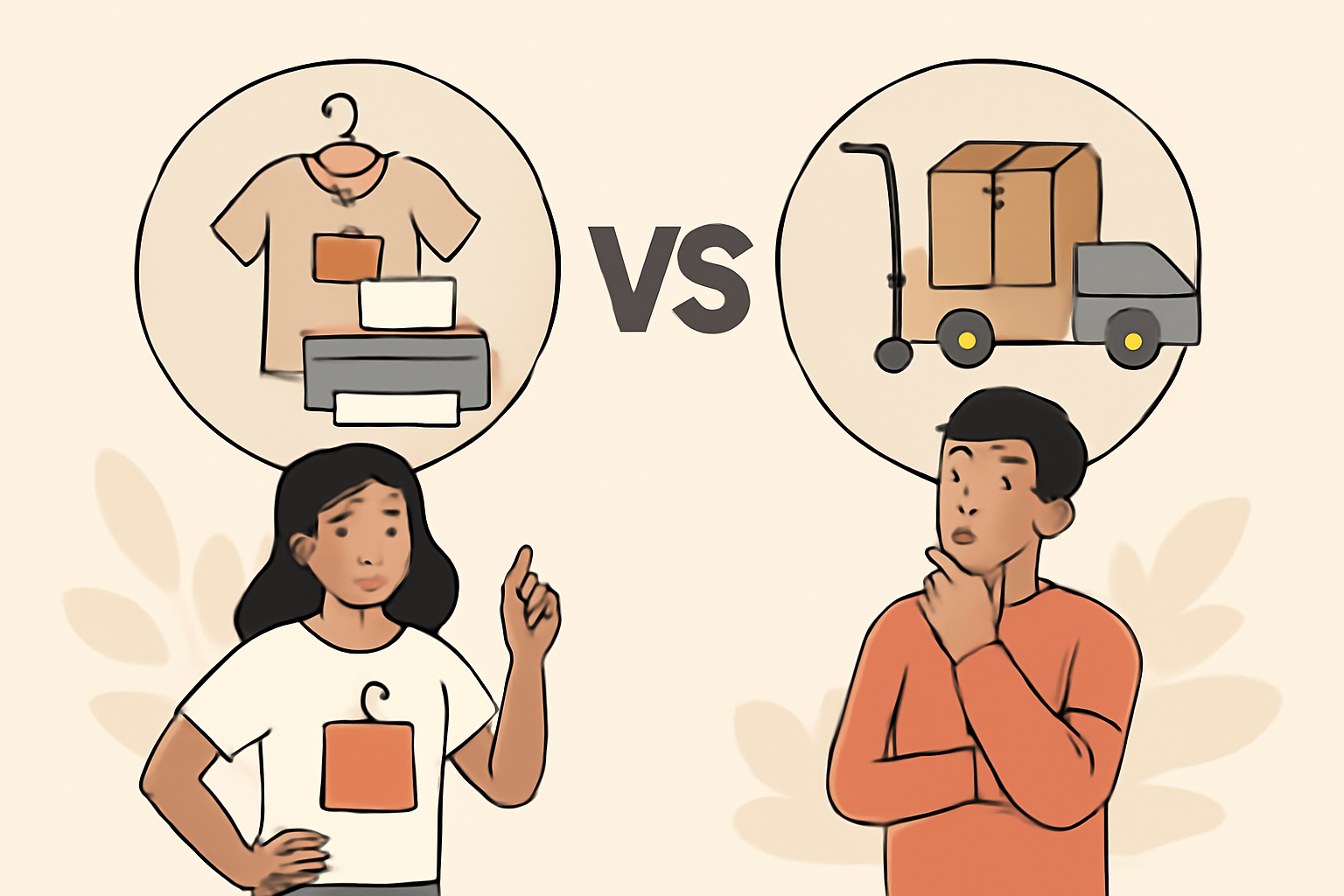
When it comes to selling products online, print on demand and dropshipping are two popular models that many entrepreneurs consider. While they might seem similar at first glance, each model has its unique features, advantages, and challenges. Understanding these differences can help you make an informed decision about which approach aligns better with your business goals.
This guide will break down the key components of print on demand and dropshipping, comparing them across various aspects such as setup, costs, product selection, and fulfillment processes. By the end, you'll have a clearer understanding of which option is the best fit for your needs.
Table of Contents
Overview of Print on Demand
Print on demand (POD) is a business model where products are created and shipped only after an order is placed. Typically used for custom products like t-shirts, mugs, and art prints, POD allows sellers to offer a wide range of personalized items without holding inventory. Unlocking Profitable Print on Demand Niche Ideas for Your Business.
Key Features of Print on Demand
- Customizable products: You can design your own graphics and text on various items.
- No upfront inventory costs: Products are printed only after a sale is made.
- Focus on niche markets: Ideal for targeting specific customer segments with unique designs.
Overview of Dropshipping
Dropshipping is a retail fulfillment method where the store owner does not keep the products in stock. Instead, when a customer makes a purchase, the store purchases the item from a third party and has it shipped directly to the customer. This model allows entrepreneurs to start an online business without the need for large upfront investments in inventory or warehousing. addressing fulfillment delays.
Key Features of Dropshipping
- Wide product range: You can sell a variety of products without worrying about storage. This flexibility allows you to quickly adapt to market trends and customer preferences.
- Lower risk: Since you don't purchase inventory upfront, your financial risk is reduced. This means you can experiment with different products without the fear of being stuck with unsold stock.
- Less focus on design: Unlike POD, dropshipping typically involves selling existing products with established designs. This can save time and effort, allowing you to focus on marketing and customer service instead.
How Dropshipping Works: A Step-by-Step Guide
- Choose a niche: Select a product category that interests you and has a market demand. Research potential competitors and identify gaps in the market.
- Find suppliers: Use platforms like AliExpress, Oberlo, or SaleHoo to locate reliable suppliers. Look for those with good ratings and fast shipping times.
- Create your online store: Use e-commerce platforms like Shopify or WooCommerce to set up your store. Ensure it's user-friendly and optimized for conversions.
- Add products: Import products from your chosen suppliers to your store. Write compelling product descriptions and use high-quality images to attract customers.
- Market your store: Utilize social media, SEO, and paid advertising to drive traffic to your store. Engage with potential customers through email marketing and promotions.
- Process orders: When a customer makes a purchase, you place the order with your supplier, who then ships the product directly to the customer. Keep track of orders and ensure timely communication with customers.
- Evaluate and optimize: Monitor sales data and customer feedback to identify trends. Adjust your product offerings, marketing strategies, and pricing based on performance metrics.
Common Mistakes to Avoid in Dropshipping
- Neglecting supplier reliability: Choosing suppliers based solely on price can lead to issues with product quality and delivery times. Always vet suppliers thoroughly.
- Ignoring customer service: While dropshipping minimizes inventory management, it doesn't eliminate the need for excellent customer service. Respond promptly to inquiries and resolve issues quickly.
- Overlooking marketing efforts: Many new dropshippers assume that simply having a store will attract customers. Invest time and resources into effective marketing strategies to drive traffic.
- Failing to analyze data: Not tracking sales performance and customer behavior can hinder your ability to make informed decisions. Use analytics tools to gain insights into your business.
Examples of Successful Dropshipping Businesses
- Gymshark: Starting as a dropshipping business, Gymshark capitalized on fitness trends and social media marketing to grow into a multi-million dollar brand.
- BlueCrate: This company specializes in novelty gifts and uses dropshipping to offer a wide range of products without holding inventory, focusing on viral marketing strategies.
- Meowingtons: A niche store catering to cat lovers, Meowingtons uses dropshipping to provide unique cat-themed products, leveraging targeted marketing to reach their audience.
Understanding the mechanics of dropshipping and avoiding common pitfalls can greatly enhance your chances of building a successful online business. With the right approach and dedication, you can turn dropshipping into a profitable venture.
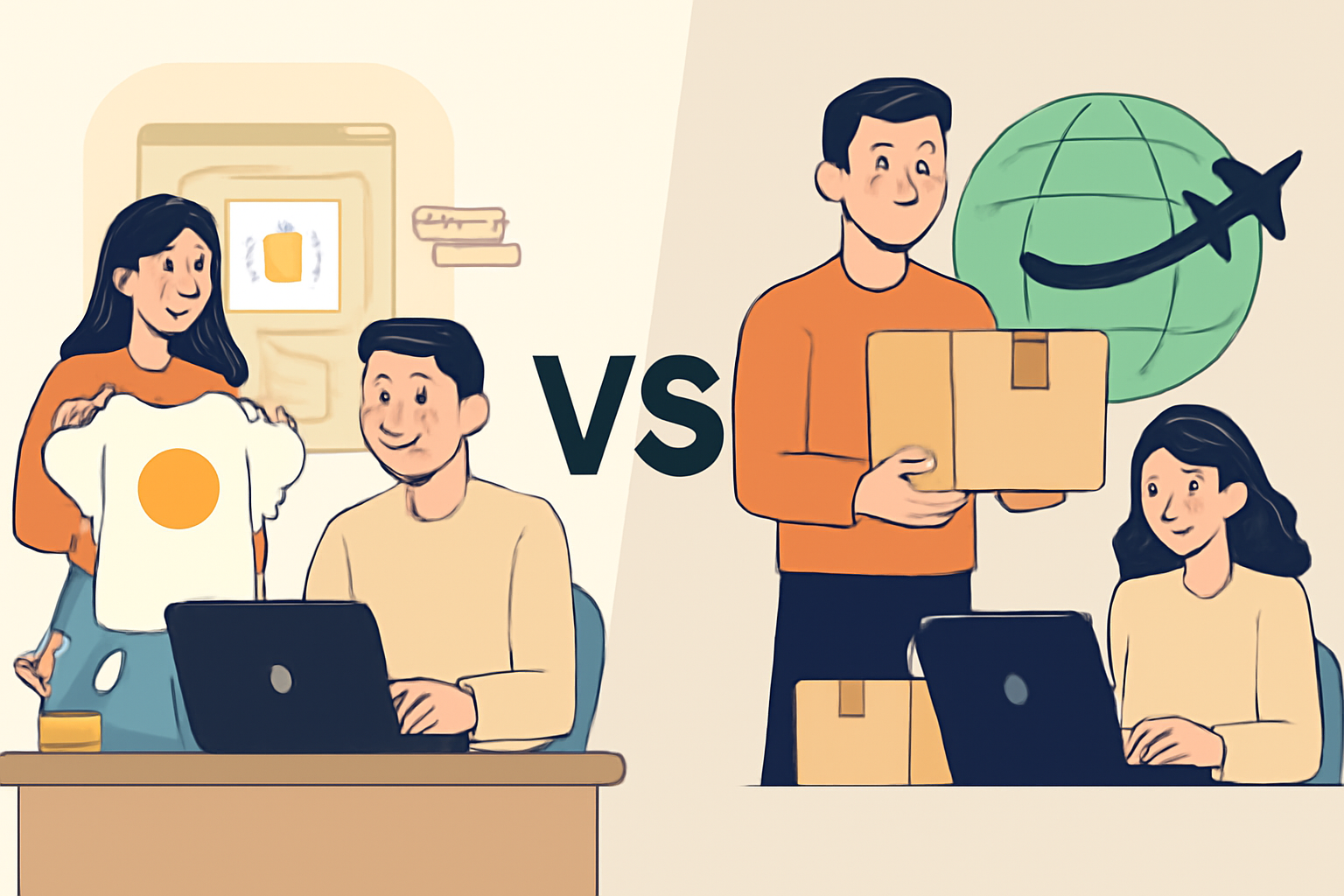
Comparison Table: Print on Demand vs Dropshipping
| Feature | Print on Demand | Dropshipping |
|---|---|---|
| Customization | High; products can be designed by the seller. This allows for unique branding opportunities and the ability to create products that resonate with specific audiences. For instance, a seller can create custom t-shirts with unique graphics or quotes that cater to niche markets like pet lovers or fitness enthusiasts. | Low; products are usually pre-designed. While some suppliers may offer slight modifications, the options are generally limited. This can restrict your ability to stand out in a crowded marketplace, as many sellers might offer the same products. |
| Inventory Management | No inventory needed. This means you can focus on marketing and sales without worrying about stock levels. POD services handle everything from production to shipping, allowing you to scale your business without the headaches of traditional inventory management. | No inventory needed. Similar to POD, dropshipping eliminates the need for upfront inventory purchases. However, you must ensure that your suppliers maintain adequate stock levels to fulfill orders promptly, which can sometimes lead to issues if a product is out of stock. |
| Start-up Costs | Low; pay per order. You only pay for products after you make a sale, which minimizes financial risk. Additionally, many POD platforms have no upfront fees, allowing you to start your business with minimal investment. | Low; pay per order. Like POD, dropshipping requires minimal upfront investment since you only pay for products after a sale is made. However, consider potential costs for setting up your online store and marketing efforts to attract customers. |
| Shipping Times | Variable; depends on printing time. Since items are made to order, shipping times can vary based on the complexity of the design and the chosen POD provider. It's crucial to communicate estimated delivery times to your customers to manage their expectations. | Variable; depends on supplier. Depending on the supplier's location and shipping methods, delivery times can range from a few days to several weeks. Always check shipping policies and communicate these timelines effectively to avoid customer dissatisfaction. |
| Product Quality Control | Moderate; depends on POD provider. Quality can vary, so it's essential to research and choose a reputable POD service. Order samples of your products to evaluate quality before offering them to customers, ensuring that they meet your standards. | Varies by supplier; quality can be inconsistent. Since you rely on various suppliers, product quality can differ significantly. Always vet suppliers and consider ordering samples to assess the quality of products before listing them in your store. |
| Target Audience Identification | Niche-focused; ideal for specific markets. POD allows you to create tailored products that appeal to specific audiences, making it easier to build a loyal customer base. For example, a seller could create a line of products specifically for yoga enthusiasts, enhancing the chances of repeat purchases. | Broad; can appeal to various customer demographics. Dropshipping enables you to offer a wide range of products, appealing to different customer segments. However, this broad approach can make it challenging to establish a strong brand identity and customer loyalty, as your offerings may lack a cohesive theme. |
Pros and Cons of Print on Demand
Pros
- Creative control over product design
- You can customize designs based on trends, customer feedback, or personal creativity. This flexibility allows you to adapt quickly to changing market demands.
- Consider using design software like Adobe Illustrator or Canva to create unique graphics that resonate with your target audience.
- Engage with your customers through polls or surveys to gather insights on what designs they would like to see next.
- No need to manage inventory or shipping
- With print on demand, you avoid the hassle of holding stock, which means less upfront investment and lower financial risk.
- Focus your time on marketing and customer engagement rather than worrying about inventory levels or storage space.
- Utilize an integrated platform that automates order fulfillment, allowing you to streamline operations and focus on growing your business.
- Opportunity to build a unique brand
- Print on demand allows you to create a distinctive brand identity through unique designs and packaging. This can help you stand out in a crowded market.
- Consider creating a memorable logo and cohesive branding elements that reflect your business values and appeal to your target audience.
- Utilize social media platforms to showcase your brand story and connect with customers on a personal level, fostering loyalty and repeat business.
Cons
- Longer fulfillment times due to printing
- Customers may experience delays as products are made to order, which can lead to dissatisfaction if not managed properly.
- To mitigate this, set clear expectations on your website regarding shipping times and communicate proactively with customers about their orders.
- Consider using expedited printing services or offering a selection of ready-to-ship items to balance fulfillment times.
- Potentially higher product costs
- Because each item is printed on demand, costs per unit can be higher compared to bulk purchasing in dropshipping.
- Ensure your pricing strategy accounts for production costs while remaining competitive; consider offering bundle deals or discounts to encourage larger purchases.
- Evaluate different print providers to find the best balance between quality and cost, as this can significantly affect your profit margins.
- Limited product types compared to dropshipping
- While print on demand offers customization, the range of products may be narrower than what is available through dropshipping, which can limit your market reach.
- Research and choose a print on demand provider that offers a diverse range of products, such as apparel, home goods, and accessories, to expand your offerings.
- Consider complementing your print on demand products with dropshipping items to provide a broader selection to your customers.
Pros and Cons of Dropshipping
Pros
- Access to a wide range of products
- With dropshipping, you can choose from thousands of suppliers and products. This means you can quickly pivot to new trends without being stuck with unsold inventory. For instance, if a new gadget becomes popular, you can add it to your store almost overnight.
- Quick setup with minimal financial investment
- Starting a dropshipping business typically requires less capital than traditional retail models. You don't need to purchase inventory upfront, which significantly lowers your financial risk. You can launch your store using platforms like Shopify or WooCommerce, often for less than $100.
- Flexibility to test various products easily
- Since you don't hold inventory, you can experiment with different products and niches without the usual risks. For example, if you sell custom mugs and notice that a particular design is popular, you can quickly add more similar products to your lineup.
Cons
- Less control over product quality and fulfillment
- When you rely on suppliers for fulfillment, you have limited control over the quality of the products and shipping times. This can lead to customer dissatisfaction if there are issues. Always vet suppliers thoroughly and consider ordering samples to check quality before offering products in your store.
- High competition on common products
- Many dropshippers target popular products, leading to a saturated market. Standing out can be challenging. To combat this, focus on niche products or create unique marketing strategies that highlight your brand's personality or story.
- Dependence on suppliers for stock and shipping
- Your business is only as strong as your suppliers. If they run out of stock or fail to ship orders on time, your reputation is on the line. Establish strong relationships with multiple suppliers and have a backup plan in place. This could mean having alternative suppliers for your best-selling products or diversifying your product range to reduce reliance on a single source.
Which Option Fits You?
Choosing between print on demand and dropshipping ultimately depends on your business model and goals. Here are a few scenarios to help you decide:
- If you love design and want to create unique products: Print on demand is likely the better fit for you.
- If you prefer selling established products with less focus on design: Consider dropshipping.
- If you have a specific niche audience: Print on demand allows you to cater to unique tastes.
- If you want to offer a broad product range: Dropshipping gives you the flexibility to sell various items without the need for a large investment.
Fulfillment Process Improvements
Both print on demand and dropshipping have their own fulfillment processes. It's crucial to choose a reliable partner who can streamline operations and ensure customer satisfaction. Look for providers that offer:
- Fast production and shipping times
- High-quality products and materials
- Good customer service and support
Implementing fulfillment process improvements can enhance efficiency and lead to better customer experiences. Here are some practical steps to consider for optimizing your fulfillment process:
1. Evaluate Your Current Fulfillment Partner
Start by assessing your current fulfillment partner. Gather data on their performance metrics, such as:
- Average production time
- Shipping times to various locations
- Return rates and reasons
Use this information to identify areas where they excel and where improvements are needed. If you find consistent delays or quality issues, it may be time to consider alternatives.
2. Set Clear Expectations
Once you've chosen a fulfillment partner, establish clear expectations regarding:
- Production timelines
- Shipping methods and costs
- Quality control processes
Document these expectations in a service level agreement (SLA) to ensure accountability. This can prevent misunderstandings and help maintain a strong working relationship.
3. Optimize Inventory Management
For print on demand, inventory management is less of a concern, but for dropshipping, it's crucial. Here are some strategies:
- Use inventory management software to track stock levels in real-time.
- Set up alerts for low stock levels to avoid overselling.
- Regularly review supplier performance and stock availability.
Effective inventory management can reduce delays in order fulfillment and improve customer satisfaction.
4. Automate Processes
Automation can significantly enhance your fulfillment process. Consider implementing:
- Order management systems that automatically send orders to your fulfillment partner.
- Shipping software that compares rates and selects the best option based on delivery speed and cost.
- Email notifications that keep customers informed about their order status.
By automating these processes, you can save time and reduce the risk of human error.
5. Implement Quality Control Checks
Quality control is essential in both print on demand and dropshipping. Here's how to ensure high standards:
- Request samples from your fulfillment partner to assess product quality.
- Establish a checklist for quality control that includes aspects like print clarity, material durability, and packaging standards.
- Encourage customer feedback on product quality and use it to make necessary adjustments.
Regular quality checks can help maintain your brand's reputation and customer loyalty.
6. Foster Strong Communication
Communication with your fulfillment partner is key. Here are some tips:
- Schedule regular check-ins to discuss performance and address any concerns.
- Use collaborative tools for real-time updates on order status and inventory levels.
- Encourage open dialogue about potential improvements or upcoming challenges.
Strong communication can lead to proactive problem-solving and a more efficient fulfillment process.
7. Monitor Performance and Adjust Accordingly
Finally, continuously monitor your fulfillment process. Use key performance indicators (KPIs) such as:
- Order accuracy rates
- Customer satisfaction ratings
- Average handling time
Regularly review this data to identify trends and make informed decisions about adjustments or changes needed. This iterative approach ensures that your fulfillment process remains efficient and effective over time.
By focusing on these fulfillment process improvements, you can enhance your operational efficiency, reduce costs, and ultimately provide a better experience for your customers. Whether you're in print on demand or dropshipping, a well-optimized fulfillment process is essential for success.
Conclusion
In the debate of print on demand vs dropshipping, there is no one-size-fits-all answer. Each model has its strengths and weaknesses, and the choice ultimately depends on your personal goals, resources, and target audience. Take some time to evaluate your options and consider what aligns best with your business vision. Remember, whichever path you choose, continuous learning and troubleshooting print on demand will be key in navigating your entrepreneurial journey.
Key Takeaways
- Understand Your Niche: Research your target audience and identify what products resonate with them. This could influence whether print on demand or dropshipping is the right fit.
- Evaluate Your Startup Costs: Compare the initial investment required for each model. Print on demand often has lower upfront costs due to no inventory, while dropshipping may require more for setting up a supplier network.
- Consider Your Product Customization Needs: If you want unique designs or personalized products, print on demand is likely the way to go. On the other hand, dropshipping may offer a wider variety of existing products without customization.
Steps to Make Your Decision
- List Your Goals: Write down what you want to achieve with your online business. Are you aiming for creative expression, or do you focus on quick sales?
- Analyze Your Resources: Assess your financial situation, time commitment, and skill set. Are you comfortable with design software for print on demand, or do you prefer the simplicity of managing a dropshipping store?
- Test the Waters: Consider starting with one model before fully committing. You can launch a small print on demand product line while exploring dropshipping options to see what works best for you.
Common Mistakes to Avoid
- Neglecting Market Research: Failing to understand your audience can lead to poor product selection. Spend time researching trends and customer preferences.
- Ignoring Quality Control: Whether you choose print on demand or dropshipping, ensure quality checks are in place. Poor product quality can damage your brand reputation.
- Overlooking Marketing Strategies: Both models require effective marketing. Don't skimp on developing a solid marketing plan to attract customers.
Continuous Learning and Adaptation
Regardless of your choice, the e-commerce landscape is ever-evolving. Stay updated with industry trends, attend webinars, and join online communities related to print on demand and dropshipping. This ongoing education will help you adapt your strategies and keep your business thriving.
Ultimately, the path you choose should align with your personal goals and business vision. Embrace the journey, learn from your experiences, and don't hesitate to pivot if necessary. With the right approach, both print on demand and dropshipping can lead to successful and fulfilling entrepreneurial ventures.
Enjoying This Article? Join The Free POD Community. Connect with other print-on-demand sellers, ask questions, and keep learning inside the Print On Demand Coach community.
Learn More