
Step-by-Step Guide on How to Start Print on Demand

Are you ready to dive into the world of print on demand? If the thought of creating custom products to sell online excites you, then you're in the right place! This guide will walk you through the essential steps to get your print on demand business off the ground.
From choosing the right niche to setting up your online store, we'll cover everything you need to know. Let's turn your creative ideas into a profitable business!
Table of Contents

Step 1: Choose Your Niche
Your niche is the foundation of your print on demand business. It determines your target audience and the types of products you'll offer. Think about what you're passionate about or what market gaps you can fill. Your Comprehensive Guide to Print on Demand for Beginners.
Tips for Choosing a Niche
- Identify your interests and hobbies.
- Research trending topics or products.
- Consider the challenges in print on demand that exist and how you could solve them.
Step 2: Select a Print on Demand Platform
After settling on your niche, the next step is to choose a print on demand platform. This is where your products will be created and fulfilled. Selecting the right platform is crucial as it can affect everything from product quality to shipping times, and ultimately, customer satisfaction.
When evaluating different platforms, consider factors such as ease of use, product selection, integration capabilities, and customer support. Each platform offers various tools and features that cater to different types of sellers, so it's essential to find one that aligns with your business model.
Popular Print on Demand Platforms
- Printful
- Teespring
- Redbubble
- Printify
Key Features to Consider
- Product Variety: Look for a platform that offers a wide range of products that suit your niche. For example, if you want to sell apparel, ensure the platform has various clothing options, sizes, and styles.
- Quality of Printing: Research the print quality of the products. Order samples to evaluate the printing and material quality. This can significantly impact customer satisfaction.
- Pricing Structure: Understand the pricing model of each platform, including base costs, shipping fees, and transaction fees. Make sure you can set a price that allows for a reasonable profit margin.
- Integration with E-commerce: If you plan to sell on your website or through social media, check if the platform integrates seamlessly with your chosen e-commerce solutions, like Shopify or WooCommerce.
- Shipping Options: Investigate the shipping times and options available. Fast shipping can enhance customer experience, so look for platforms that offer reliable shipping solutions.
- Customer Support: Good customer support can save you from headaches down the line. Look for platforms with responsive support teams, thorough documentation, and community forums.
Common Mistakes to Avoid
- Choosing Based Solely on Price: While it's tempting to go for the cheapest option, remember that lower prices may come with trade-offs in quality or service.
- Ignoring Shipping Costs: Don't overlook the impact of shipping costs on your pricing strategy. High shipping fees can deter customers, so factor these into your overall pricing.
- Neglecting to Test Products: Always order samples before committing to a platform. This helps ensure that the products meet your quality standards and that you're satisfied with the final result.
- Not Considering Scalability: Think about your future needs. Choose a platform that can grow with your business and handle increased order volumes as you scale.
Step-by-Step to Selecting Your Platform
- Research: Start by researching various platforms. Look at reviews and user experiences to get an idea of what to expect.
- List Your Needs: Create a checklist of features that are essential for your business, such as product types, integration capabilities, and support services.
- Compare Options: Use your checklist to compare the platforms you're interested in. Create a pros and cons list to visualize your options better.
- Order Samples: Once you narrow it down, order samples from the top contenders. This will help you assess the quality and service of each platform.
- Make Your Decision: Based on your research and sample evaluations, choose the platform that best fits your needs.
Taking the time to select the right print on demand platform is a critical step in your journey. It sets the foundation for your business and can significantly influence your success. Choose wisely!
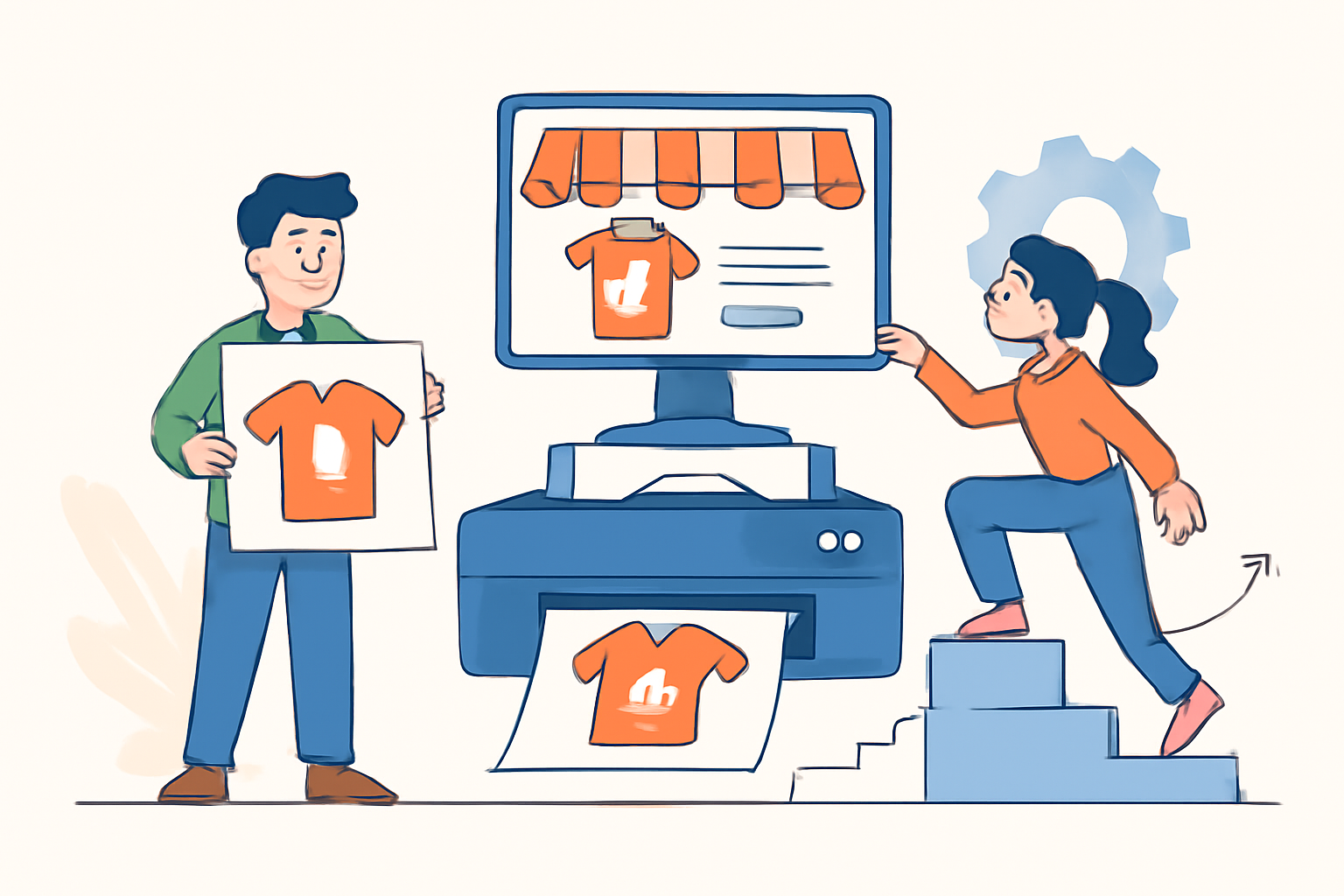
Step 3: Create Your Designs
Your designs are what will attract customers to your products. Whether you're a graphic designer or just starting, there are tools available to help you create stunning designs.
Design Tools to Consider
- Canva: User-friendly and offers templates.
- Adobe Illustrator: For more advanced design work.
- GIMP: A free alternative to Photoshop.
Remember to keep your target audience in mind when creating designs that resonate with them.
Step 4: Set Up Your Online Store
With your niche, platform, and designs in place, it's time to set up your online store. This is where customers will browse and purchase your products. A well-designed store can significantly impact your sales, so it's important to pay attention to detail.
Choosing an E-commerce Platform
- Shopify: Great for scalability and user-friendly, making it easy to manage your store as it grows. It offers various themes and apps to enhance functionality.
- WooCommerce: Perfect for WordPress users, allowing for extensive customization. It's a cost-effective solution, but requires a bit more technical knowledge to set up and maintain.
- Etsy: Ideal for handmade and unique products, it has a built-in audience looking for creative items. However, competition can be fierce, and fees can add up.
Your store should reflect your brand and provide a seamless shopping experience for customers. Here are some practical steps to ensure your online store is set up effectively:
Store Design and Branding
- Choose a Theme: Select a theme that aligns with your brand identity. Ensure it's responsive, meaning it looks good on both mobile and desktop devices.
- Customize Your Logo: Your logo is the face of your brand. Use tools like Canva or hire a designer to create a professional-looking logo.
- Color Scheme and Fonts: Stick to a cohesive color palette and font style that resonates with your target audience. Consistency is key!
Product Listings
Creating compelling product listings is crucial for attracting buyers. Here's how to do it:
- High-Quality Images: Use high-resolution images that showcase your products from multiple angles. Consider lifestyle images that show the product in use.
- Engaging Descriptions: Write clear and engaging product descriptions. Highlight the benefits and features, and use storytelling to connect with your customers.
- SEO Optimization: Incorporate relevant keywords into your product titles and descriptions to improve search visibility. Think about what your customers would search for.
Payment and Shipping Options
Setting up payment and shipping options is essential for a smooth checkout process:
- Payment Gateways: Choose reliable payment gateways like PayPal, Stripe, or Square. Ensure they support various payment methods, including credit cards and digital wallets.
- Shipping Strategies: Decide on your shipping strategy-will you offer free shipping, flat-rate shipping, or variable rates based on location? Make sure to clearly communicate shipping costs to avoid cart abandonment.
- Return Policy: Establish a clear return policy. Customers appreciate transparency, and a good return policy can enhance trust and encourage purchases.
Testing Your Store
Before launching, it's vital to test your store thoroughly:
- Test the Checkout Process: Go through the entire checkout process as a customer would. Look for any glitches or confusing steps.
- Mobile Responsiveness: Test your store on various devices to ensure it functions well on smartphones and tablets.
- Ask for Feedback: Have friends or family navigate your store and provide feedback on their experience. They might catch issues you overlooked.
Once you've set up your online store, you'll be ready to start attracting customers and making sales. Remember, your store is a reflection of your brand, so invest the time and effort to make it as appealing and user-friendly as possible.
Step 5: Market Your Products
Now that your store is up and running, it's time to spread the word! Marketing is key to driving traffic and sales.
Effective Marketing Strategies
- Social Media: Use platforms like Instagram and Facebook to showcase your products.
- Email Marketing: Build a list and send newsletters with updates and promotions.
- Content Marketing: Start a blog or vlog to share valuable content related to your niche.
Utilizing these strategies can help you reach a broader audience and increase your sales potential.
Step 6: Analyze and Optimize
Once you start making sales, it's essential to track your performance. Analyzing your data will help you identify what works and what doesn't. Regularly evaluating your metrics can lead to smarter decisions that enhance your profit margins and customer satisfaction.
Key Metrics to Monitor
- Sales and revenue trends: Keep an eye on daily, weekly, and monthly sales figures. Look for patterns in your sales data, such as seasonal spikes or drops. This will help you plan your inventory and marketing strategies accordingly.
- Customer feedback and reviews: Actively seek customer reviews and ratings. Pay attention to recurring themes in feedback, both positive and negative. This can provide insights into product quality, customer service, and areas for improvement.
- Traffic sources to your store: Use tools like Google Analytics to determine where your visitors are coming from. Are they finding you through social media, search engines, or referrals? Understanding this can help you allocate your marketing budget more effectively.
Tools for Analyzing Your Performance
To effectively analyze your performance, consider using the following tools:
- Google Analytics: This free tool provides comprehensive data on your website traffic, user behavior, and conversion rates. Set up goals to track specific actions you want visitors to take, such as making a purchase or signing up for a newsletter.
- Facebook Pixel: If you're using Facebook ads, the Facebook Pixel can help you track conversions from your ads and optimize your campaigns based on user behavior.
- Email Marketing Software: Platforms like Mailchimp or Klaviyo offer insights into open rates, click-through rates, and conversion rates for your email campaigns, allowing you to refine your messaging and targeting.
Common Mistakes to Avoid
When analyzing and optimizing your print-on-demand business, be mindful of these common pitfalls:
- Ignoring Negative Feedback: Dismissing customer complaints can harm your brand reputation. Instead, use negative feedback as constructive criticism to improve your products and services.
- Focusing Solely on Sales: While sales figures are important, don't overlook customer engagement metrics. A loyal customer base often leads to repeat sales and referrals, which are crucial for long-term success.
- Neglecting A/B Testing: Failing to test different marketing strategies, product designs, or pricing can result in missed opportunities. Implement A/B testing to see what resonates best with your audience.
Creating an Optimization Checklist
To streamline your optimization efforts, consider creating a checklist that includes the following steps:
- Review sales data weekly to identify trends.
- Analyze customer feedback monthly and implement changes as needed.
- Evaluate traffic sources quarterly to adjust your marketing strategies.
- Conduct A/B tests for product designs, pricing, and ad campaigns regularly.
- Set specific goals for customer engagement and track progress.
By consistently analyzing your performance and making informed adjustments, you'll be better equipped to grow your print-on-demand business and meet your customers' needs. Remember, optimization is an ongoing process, so stay curious and proactive in your approach!
Common Mistakes to Avoid
As a beginner in print on demand, it's easy to make missteps. Being aware of common mistakes can save you time and money. Here are some common pitfalls and how to avoid them, along with practical steps to ensure your success in this exciting venture.
- Neglecting market research before choosing a niche.
Market research is crucial for identifying a profitable niche. Before diving in, take the time to explore trends, customer preferences, and competitors. Use tools like Google Trends, social media insights, and keyword research tools to gather data. Create a checklist of potential niches, and evaluate them based on demand, competition, and your personal interest. For example, if you notice a rising trend in eco-friendly products, consider how you can incorporate that into your offerings.
- Overlooking quality control of products.
Quality control can make or break your print on demand business. Always order samples of your products before listing them for sale. This allows you to assess the print quality, material, and overall presentation. Create a quality checklist that includes factors like color accuracy, fabric feel, and durability. Additionally, consider customer feedback as a vital source of information. If you receive complaints about quality, address them immediately and adjust your suppliers or products accordingly.
- Failing to engage with your audience on social media.
Social media is not just a platform for promotion; it's a place for building relationships. Engage with your audience by responding to comments, asking for feedback, and sharing user-generated content. Develop a content calendar that includes regular posts showcasing your products, behind-the-scenes looks at your process, and interactive content like polls or Q&A sessions. Remember, a thriving community can lead to increased loyalty and sales. Don't forget to track engagement metrics to see what resonates most with your audience.
- Ignoring the importance of branding.
Your brand is your identity in the print on demand world. Skipping on branding can make your business look unprofessional and untrustworthy. Develop a cohesive brand strategy that includes a memorable logo, consistent color schemes, and a unique voice. Create a branding checklist that covers your website, social media profiles, and product packaging. For instance, if you're selling quirky t-shirts, your branding should reflect that fun, playful spirit across all platforms.
- Setting unrealistic expectations for sales.
Many new sellers enter the print on demand space with high hopes for quick profits. However, it's essential to set realistic sales goals based on your market research and marketing efforts. Create a sales projection spreadsheet that outlines your expected sales over the first few months, considering factors like product pricing, marketing budget, and seasonal trends. Revisit this projection regularly and adjust your strategies as needed. Remember, patience and persistence are key.
- Neglecting to optimize product listings for SEO.
SEO is vital for driving organic traffic to your store. Many beginners forget to optimize their product listings with relevant keywords, which can hinder visibility. Conduct keyword research to find terms that potential customers are searching for and incorporate these into your product titles, descriptions, and tags. Create a checklist for each listing that includes keyword placement, compelling descriptions, and high-quality images. For example, if you're selling custom mugs, keywords like "personalized coffee mug" should be strategically placed in your listings.
Checklist for Starting Your Print on Demand Business
- Choose a niche.
- Research market trends to identify profitable niches. Use tools like Google Trends or social media hashtags to gauge interest.
- Consider your passions or hobbies; aligning your business with something you love can keep you motivated.
- Evaluate competition in your chosen niche. A saturated market might require more effort to stand out.
- Select a print on demand platform.
- Compare features of popular platforms like Printful, Teespring, and Redbubble. Look for pricing, product variety, and integration options.
- Check user reviews and testimonials to gauge reliability and customer service.
- Consider the shipping options and fulfillment times offered by each platform, as these can impact customer satisfaction.
- Create eye-catching designs.
- Utilize design software like Canva or Adobe Illustrator to create unique graphics. If you're not a designer, consider hiring a freelancer from platforms like Fiverr or Upwork.
- Stay updated on design trends; for example, minimalistic designs or retro themes can be popular.
- Test your designs by seeking feedback from friends or potential customers before launching.
- Set up your online store.
- Choose an e-commerce platform like Shopify or Etsy that suits your needs and budget.
- Ensure your store is user-friendly. Organize products into categories and implement a search function for easy navigation.
- Write compelling product descriptions that highlight features and benefits. Use keywords naturally for SEO.
- Develop a marketing plan.
- Identify your target audience. Create buyer personas to understand their preferences and shopping behaviors.
- Utilize social media platforms like Instagram and Facebook for promotion. Create engaging content that showcases your products in use.
- Consider paid advertising options like Facebook Ads or Google Ads to reach a wider audience. Start with a small budget and test different ads to see what works best.
- Monitor performance and optimize.
- Use analytics tools provided by your e-commerce platform to track sales, traffic, and customer behavior.
- Regularly review your marketing efforts. Which channels are bringing in the most sales? Adjust your strategy accordingly.
- Solicit customer feedback through surveys or follow-up emails to identify areas for improvement.
Conclusion: Take Action Now!
Now that you have a comprehensive guide on how to start print on demand, it's time to take action! Begin by choosing your niche today, and remember to keep the "Print On Demand Coach insights" in mind as you embark on this exciting journey. The world of print on demand is waiting for your unique touch!
To help you take that crucial first step, here's a checklist of actions you can implement right away:
- Identify Your Niche: Reflect on your passions, interests, and market trends. Use tools like Google Trends or social media platforms to gauge what products are currently popular.
- Research Competitors: Look at successful print on demand stores in your niche. Analyze their product offerings, pricing strategies, and marketing techniques. Take notes on what you like and what you think could be improved.
- Select a Print On Demand Platform: Choose a platform that aligns with your goals. Consider factors like ease of use, product variety, shipping options, and integration with e-commerce platforms.
- Create Your Designs: Start designing your products. Use graphic design software like Canva or Adobe Illustrator, or hire a designer if you prefer. Remember to keep your target audience in mind while creating designs.
- Set Up Your Online Store: If you haven't done so already, create your online store. Choose a user-friendly e-commerce platform and customize it to reflect your brand identity.
- Develop a Marketing Plan: Outline your marketing strategies. Consider social media marketing, email campaigns, and collaborations with influencers in your niche.
- Launch Your Store: Once everything is set, it's time to launch! Announce your store on social media and leverage any existing networks to spread the word.
Common Mistakes to Avoid
As you embark on this journey, be aware of common pitfalls that many new print on demand sellers face:
- Neglecting Market Research: Failing to understand your target audience can lead to poor sales. Take the time to research what customers want.
- Overcomplicating Designs: While creativity is essential, overly complicated designs can confuse potential buyers. Aim for clarity and appeal.
- Ignoring Customer Feedback: Listen to your customers. Their feedback can provide valuable insights for improving your products and services.
- Underestimating Marketing: Simply launching your store isn't enough. Active marketing is crucial for visibility and sales.
Remember, starting a print on demand business is not just about creating products; it's about building a brand that resonates with your audience. Stay committed, keep learning, and most importantly, have fun with the process! Your unique touch can make a significant impact in the print on demand world. So, roll up your sleeves and get started today!
Enjoying This Article? Join The Free POD Community. Connect with other print-on-demand sellers, ask questions, and keep learning inside the Print On Demand Coach community.
Learn More