
Step-by-Step Guide to Setting Up Your Print on Demand Store

Table of Contents
- Step 1: Choose Your Niche
- Step 2: Select a Print on Demand Platform
- Step 3: Design Your Products
- Step 4: Build Your Online Store
- Step 5: Set Up Payment and Shipping Options
- Step 6: Market Your Store
- Step 7: Launch Your Store
- Common Mistakes to Avoid
- Checklist for Setting Up Your Print on Demand Store

Starting a print on demand store can be an exciting venture for anyone looking to enter the world of e-commerce. With minimal upfront costs and the ability to customize products, it's an accessible way to turn your creative ideas into profit. Your Comprehensive Guide to Shopify Print on Demand.
This guide will walk you through the essential steps to successfully set up your own print on demand store, covering everything from choosing a niche to launching your first products. Whether you're a beginner or have some experience, these actionable steps will help you create a thriving online business.
Step 1: Choose Your Niche
Identifying a specific niche is crucial for your print on demand store's success. A well-defined niche allows you to target a specific audience and tailor your products to meet their needs.
1.1 Research Market Trends
Utilize tools like Google Trends, social media platforms, and e-commerce marketplaces to identify trending products and interests. Focus on areas where you can offer unique designs or products.
1.2 Define Your Target Audience
Understand who your customers are. Consider demographics such as age, gender, interests, and buying behavior. This information will help you create products that resonate with your audience.
Step 2: Select a Print on Demand Platform
Choosing the right platform is essential for managing your products, orders, and fulfillment. There are several print on demand platforms available, each with its own features and pricing structures. Selecting the best one for your needs can significantly impact your business's success.
2.1 Compare Popular Platforms
Investigate platforms like Printful, Teespring, and Redbubble. Consider factors like product range, integration options with e-commerce stores, and shipping times. Here’s a breakdown of some popular platforms to help you make an informed choice:
- Printful: Offers a wide variety of products including apparel, home decor, and accessories. It integrates seamlessly with major e-commerce platforms like Shopify, WooCommerce, and Etsy, making it a great choice for those looking to scale. Their shipping times are generally reliable, but vary by location.
- Teespring: Known for its user-friendly interface and social media integration, Teespring is ideal for creators looking to sell merchandise directly to their audience. They provide tools for marketing and sales, but the product range is more limited compared to Printful.
- Redbubble: This platform is focused on artists and designers, allowing you to sell unique designs on a variety of products. While it has a built-in audience, which can help drive traffic to your designs, the profit margins can be lower due to their pricing structure.
When comparing these platforms, create a checklist of features that are important to you, such as:
- Product variety
- Integration capabilities
- Shipping options and costs
- Customer support services
- Return and refund policies
By evaluating these elements, you can better determine which platform aligns with your business goals.
2.2 Sign Up for an Account
Once you've selected a platform, create your account. Most platforms offer free sign-ups, allowing you to explore their services before making a financial commitment. Follow these steps to get started:
- Visit the platform's website: Navigate to the homepage of your chosen print on demand platform.
- Click on the sign-up button: Look for a prominent "Sign Up" or "Get Started" button, usually located at the top right corner of the page.
- Fill in your details: Provide necessary information such as your name, email address, and a password. Some platforms may require additional information like your business name or address.
- Verify your email: After signing up, check your email for a verification link. Click on it to activate your account.
- Set up your profile: Once your account is activated, complete your profile by adding details like payment information and shipping preferences. This step is crucial for smooth order processing.
After signing up, take advantage of any tutorials or onboarding materials offered by the platform. Familiarizing yourself with the interface and features can save you time and reduce errors as you begin to set up your products.
2.3 Common Mistakes to Avoid
As you select and sign up for a print on demand platform, be aware of common mistakes that can hinder your progress:
- Ignoring platform fees: Always review the fee structure, including transaction fees, shipping costs, and production costs. These can eat into your profit margins if not accounted for.
- Overlooking integration capabilities: Ensure the platform can integrate with your existing e-commerce setup. A lack of integration can lead to manual order processing, which is time-consuming.
- Neglecting product quality: Order samples from the platform to check product quality and print accuracy. Selling subpar products can harm your brand's reputation.
- Skipping research on shipping times: Understand the shipping policies and times for your target markets. Long shipping times can deter customers from purchasing.
By avoiding these pitfalls, you can set a solid foundation for your print on demand business.
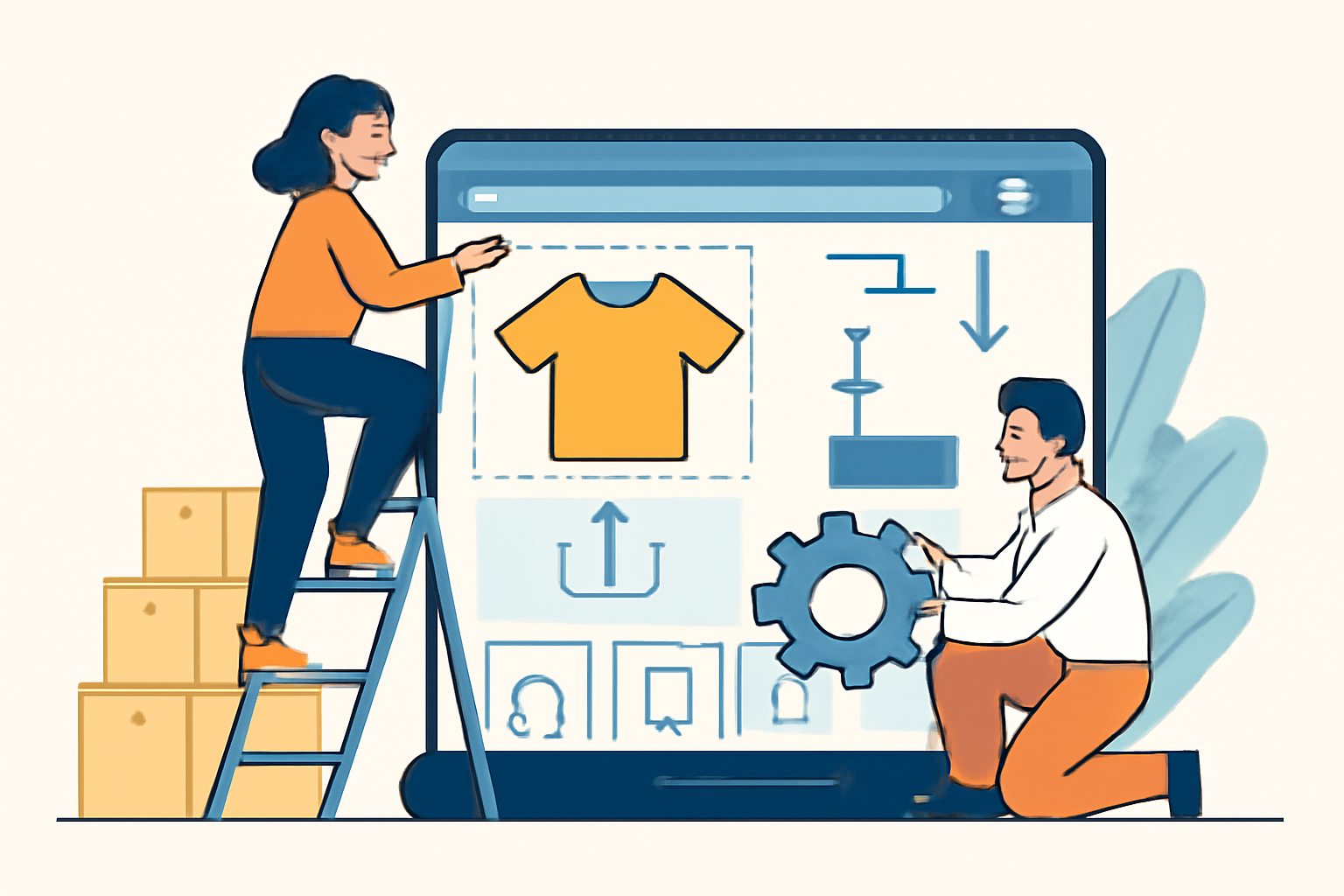
Step 3: Design Your Products
Your designs are what will attract customers to your store. High-quality, eye-catching designs can set you apart from competitors. Investing time and effort into your product designs can significantly influence your sales and brand perception.
3.1 Use Design Tools
Leverage design tools such as Canva or Adobe Illustrator to create your product designs. Ensure your designs are high-resolution and fit the specifications required by your print on demand platform. Here are some steps to guide you:
- Choose the Right Dimensions: Each product type may have specific size requirements. For example, a t-shirt design typically needs to be at least 300 DPI and sized correctly for the printing area. Always check your print on demand provider's guidelines.
- Explore Templates: Many design tools offer templates tailored for various products. Use these as a starting point to save time and maintain quality.
- Incorporate Branding: Make sure to include your brand’s colors, logo, and style in your designs to create a cohesive look across your products.
Common mistakes to avoid include using low-resolution images, ignoring copyright issues, and failing to test how designs look on different product types.
3.2 Test Your Designs
Before launching, consider ordering samples of your products to assess the quality of the print and material. This step can save you from potential customer complaints later on. Here’s how to effectively test your designs:
- Order Different Products: If you plan to sell various items (like mugs, t-shirts, and tote bags), order samples of each to see how your designs translate across different mediums.
- Evaluate Quality: Check the print quality, material feel, and overall finish. Look for any inconsistencies in colors or alignment. This assessment will help you gauge what your customers will experience.
- Get Feedback: Share your samples with friends or family and ask for their honest feedback. This can provide valuable insights and help you make improvements before going live.
Additionally, keep in mind that testing your designs can also reveal practical issues, such as how well the design holds up after washing in the case of apparel. Document any adjustments you make based on your testing to refine your process for future designs.
Step 4: Build Your Online Store
Creating an online store is where you’ll showcase your products and make sales. You can either use an existing website builder or set up a store on your chosen print on demand platform.
4.1 Choose an E-commerce Solution
If you decide to build your store independently, consider e-commerce platforms like Shopify, WooCommerce, or Wix. Each platform has its pros and cons, so choose one that fits your technical skills and budget.
4.2 Customize Your Store
Make your store visually appealing by customizing the layout, colors, and fonts. Ensure your store reflects your brand identity and is easy to navigate.
Step 5: Set Up Payment and Shipping Options
Setting up payment and shipping is crucial for a smooth transaction process. It ensures your customers can easily make purchases and receive their orders.
5.1 Choose Payment Gateways
Select payment gateways that are widely used and trusted, such as PayPal, Stripe, or Square. Make sure to consider transaction fees and integration options with your e-commerce platform.
5.2 Define Shipping Policies
Determine your shipping rates and policies. This includes selecting shipping methods, delivery times, and return policies. Clear shipping information helps build customer trust.
Step 6: Market Your Store
Once your store is live, it's time to attract customers. Effective marketing strategies will drive traffic and sales to your store. Understanding your target audience and where they spend their time online is crucial for successful marketing.
6.1 Utilize Social Media
Leverage platforms like Instagram, Facebook, and Pinterest to showcase your products. Create engaging content that resonates with your target audience and encourages sharing. Here are some practical steps to effectively use social media:
- Identify Your Audience: Research your target demographic to tailor your content. Use insights and analytics tools on social media platforms to understand what types of posts perform best.
- Create a Content Calendar: Plan your posts in advance to maintain consistency. Include a mix of promotional posts, behind-the-scenes content, customer testimonials, and user-generated content.
- Engage with Your Audience: Respond to comments and messages promptly. Create polls or ask questions to encourage interaction. Engaging with your audience builds a community around your brand.
- Utilize Hashtags: Research popular hashtags related to your niche and include them in your posts. This increases visibility and helps potential customers find your products.
- Run Contests or Giveaways: Encourage sharing and engagement by hosting contests. Ask participants to tag friends or share your post for a chance to win a product from your store.
6.2 Consider Paid Advertising
Investing in paid ads on social media or Google can help reach a larger audience quickly. Set a budget and monitor the performance of your ads to optimize your strategy. Here’s how to effectively implement paid advertising:
- Choose the Right Platform: Determine where your audience is most active. Facebook and Instagram are great for visual products, while Google Ads can target specific search queries related to your offerings.
- Define Your Goals: Are you looking for brand awareness, website traffic, or direct sales? Clear goals will guide your ad creation and targeting strategy.
- Target Your Audience: Use demographic data, interests, and behaviors to target your ads. Look into retargeting ads to reach users who have previously visited your store.
- Create Compelling Ad Copy: Write clear, persuasive copy that highlights the benefits of your products. Use high-quality images or videos to grab attention.
- Monitor and Optimize: Regularly check the performance of your ads. Look at metrics like click-through rates, conversion rates, and return on ad spend. Adjust your strategy based on what’s working and what isn’t.
6.3 Explore Influencer Marketing
Collaborating with influencers can significantly boost your store's visibility. Here are steps to effectively leverage influencer marketing:
- Identify Relevant Influencers: Look for influencers who align with your brand values and have an audience that matches your target market. Check their engagement rates to ensure they have an active following.
- Reach Out with a Proposal: Craft a personalized message explaining why you want to collaborate and how it can benefit both parties. Be clear about what you can offer in return, whether it’s free products, commissions, or monetary compensation.
- Set Clear Expectations: Discuss and agree on the deliverables, such as the number of posts, types of content, and timelines. This ensures that both you and the influencer are on the same page.
- Track Performance: Use tracking links or discount codes to measure the effectiveness of your influencer partnerships. Analyze sales generated from their promotions to evaluate the return on investment.
6.4 Email Marketing
Email marketing is a powerful tool for nurturing relationships with customers and driving repeat sales. Here’s how to effectively implement an email marketing strategy:
- Build Your Email List: Offer incentives such as discounts or exclusive content to encourage visitors to subscribe. Use pop-ups or sign-up forms on your website to capture emails.
- Segment Your Audience: Divide your email list into segments based on customer behavior, preferences, or purchase history. This allows you to send targeted messages that resonate with each group.
- Create Engaging Content: Craft compelling subject lines and personalized content for your emails. Include product recommendations, special offers, and engaging stories about your brand.
- Test and Optimize: Experiment with different email formats, sending times, and frequencies. Use A/B testing to determine what works best for your audience.
6.5 Analyze and Adjust
Finally, regularly analyze the performance of your marketing efforts. Use analytics tools to track website traffic, conversion rates, and sales data. Here are some steps to ensure continuous improvement:
- Set Key Performance Indicators (KPIs): Define what success looks like for your marketing efforts. Common KPIs include website traffic, engagement rates, and conversion rates.
- Review Analytics Regularly: Check your analytics weekly or monthly to identify trends and areas for improvement. Look for spikes in traffic or sales and investigate what caused them.
- Be Open to Change: If certain strategies aren’t performing as expected, don’t hesitate to pivot. Experiment with new platforms, content types, or marketing techniques.
By implementing these marketing strategies, you will be well-equipped to attract customers to your print on demand store and drive sales effectively. Consistency and adaptability are key in the ever-evolving landscape of online marketing.
Step 7: Launch Your Store
After everything is set up, it's time to launch your store! A successful launch can generate initial buzz and attract your first customers. This step is crucial as it sets the tone for your business and helps establish your brand in the market.
7.1 Plan a Launch Strategy
Create excitement around your launch by offering promotions, discounts, or giveaways. Use your social media channels to announce your launch and encourage pre-orders. Here are some detailed steps to help you plan an effective launch strategy:
- Set a Launch Date: Choose a specific date and time for your launch. This helps create urgency and anticipation.
- Develop a Marketing Plan: Outline how you will promote your launch. Consider using email marketing, social media ads, and influencer partnerships.
- Offer Exclusive Discounts: Provide special launch day discounts or bundle deals to incentivize purchases. For example, offer a 20% discount for the first 100 customers.
- Host a Giveaway: Run a contest on social media where participants can win your products. This not only generates excitement but also increases your visibility.
- Engage with Your Audience: Create countdown posts on social media leading up to the launch. Share sneak peeks of your products and behind-the-scenes content to build interest.
- Utilize Email Marketing: Send out a series of emails to your subscribers, reminding them of the launch date and any special offers. Highlight the unique features of your products.
- Prepare Your Website: Ensure your store is fully functional, with all products uploaded and payment systems tested. A smooth user experience is essential during the launch.
By executing a well-thought-out launch strategy, you can create significant buzz around your store and attract your initial customer base.
7.2 Gather Feedback
After your launch, solicit feedback from your customers. Use their insights to improve your products and customer experience. Here’s how to effectively gather and utilize feedback:
- Send Follow-Up Emails: After a purchase, send a thank-you email that includes a request for feedback. Ask specific questions about their shopping experience and product satisfaction.
- Utilize Surveys: Create a short survey using tools like Google Forms or SurveyMonkey. Offer a small discount on their next purchase as an incentive for completing the survey.
- Engage on Social Media: Encourage customers to leave reviews and share their experiences on your social media platforms. Respond to comments and thank customers for their input.
- Monitor Customer Service Interactions: Pay attention to any inquiries or complaints received through customer service. This can provide valuable insights into areas needing improvement.
- Analyze Sales Data: Look at which products sold well and which did not. This can guide your future inventory decisions and marketing strategies.
- Implement Changes: Use the feedback collected to make informed decisions about product adjustments, website usability, and customer service improvements.
Gathering feedback is an ongoing process that helps you refine your offerings and enhance customer satisfaction, ultimately leading to repeat business and positive word-of-mouth referrals.
Common Mistakes to Avoid
As you set up your print on demand store, be aware of common pitfalls that can hinder your success.
8.1 Neglecting Quality Control
Overlooking product quality can lead to negative reviews and returns. Always check the quality of your products before selling them.
8.2 Ignoring Customer Service
Failing to respond to customer inquiries can damage your reputation. Ensure you have a plan in place for handling customer service efficiently.
8.3 Lack of Marketing Strategy
Simply having a store isn't enough. Invest time in creating a marketing plan to reach your target audience and drive traffic.
Checklist for Setting Up Your Print on Demand Store
- Choose a niche and define your target audience.
- Research and select a print on demand platform.
- Create high-quality designs for your products.
- Build your online store using an e-commerce solution.
- Set up payment and shipping options.
- Develop and implement a marketing strategy.
- Launch your store and collect customer feedback.
Now that you have a comprehensive understanding of the steps involved in setting up a print on demand store, take action by choosing your niche and signing up for a print on demand platform today. The journey to building your successful online business starts with that first step!
Now that you have a comprehensive understanding of the steps involved in setting up a print on demand store, take action by choosing your niche and signing up for a print on demand platform today. The journey to building your successful online business starts with that first step!
Enjoying This Article? Join The Free POD Community. Connect with other print-on-demand sellers, ask questions, and keep learning inside the Print On Demand Coach community.
Learn More