
Your Step-by-Step Guide to Starting a Print on Demand Business

Are you ready to dive into the world of print on demand? This business model offers a fantastic opportunity to sell customized products without the hassle of managing inventory. In this guide, we'll walk you through the essential steps needed to kickstart your print on demand business, ensuring you avoid common pitfalls along the way.
From selecting the right products to marketing your brand, we'll cover everything you need to know. Whether you're looking to turn a hobby into a side hustle or launch a full-fledged business, this guide will set you on the right path.
Table of Contents

Step 1: Choose Your Niche
The first step in starting your print on demand business is selecting a niche. This will help you define your target audience and product offerings. A Comprehensive Guide to Alek Print on Demand.
1.1 Identify Your Interests and Skills
Consider what products you're passionate about. Are you into fitness, fashion, or home décor? Your interests will guide your product selection and help you connect with your audience.
1.2 Research Market Trends
Use tools like Google Trends and social media platforms to see what's popular. Understanding current trends can help you choose a niche that has demand.
Step 2: Select Your Print on Demand Platform
Once you've established your niche, the next step is to choose a print on demand platform. There are several options available, each with its own features.
2.1 Compare Different Platforms
Look at platforms like Printful, Teespring, and Redbubble. Evaluate their product range, pricing, and shipping options. Make sure to choose a platform that aligns with your business goals and offers "Print on demand solutions" suitable for your niche.
2.2 Sign Up and Set Up Your Store
Create an account on your chosen platform and start setting up your store. Customize your store's appearance to reflect your brand and make it user-friendly.
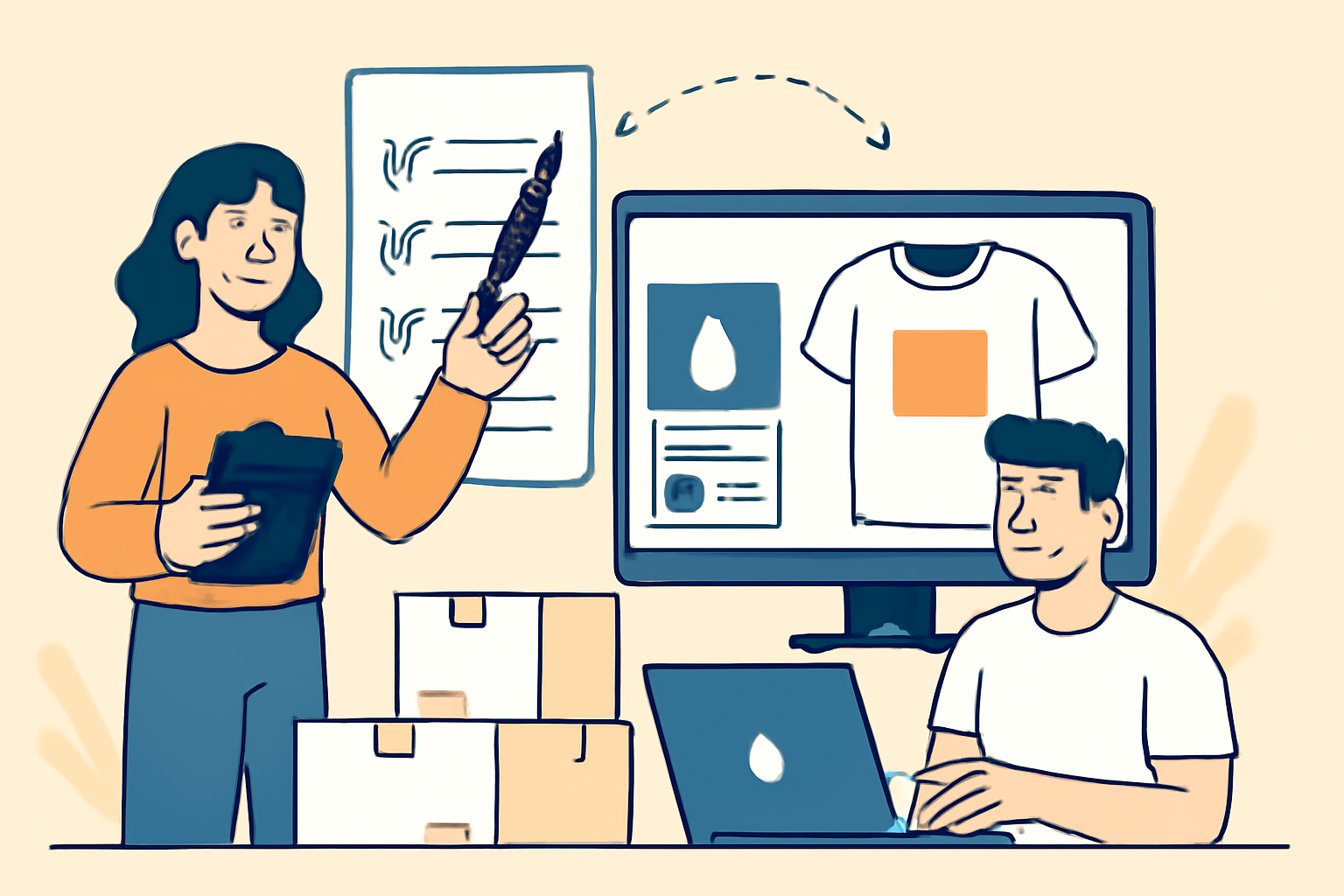
Step 3: Create Your Designs
Design is a crucial element of your print on demand business. Engaging designs can set your products apart from the competition. A strong design not only attracts customers but also reflects your brand's identity. In this section, we will explore how to effectively create designs that resonate with your audience and drive sales.
3.1 Brainstorm Design Ideas
Start by brainstorming designs that resonate with your target audience. Think about trends, quotes, or graphics that could appeal to them. Here are some practical steps to help you brainstorm effectively:
- Research Your Niche: Explore social media platforms, Pinterest, and popular online marketplaces to see what designs are trending in your niche. Look for patterns in colors, themes, and styles.
- Identify Customer Pain Points: Consider what your audience might be struggling with or what they enjoy. For example, if you're targeting fitness enthusiasts, designs related to motivation, humor, or specific workouts could work well.
- Engage with Your Audience: Use polls or surveys on social media to ask your followers what types of designs they'd like to see. This not only gives you ideas but also builds anticipation for your products.
- Create a Mood Board: Compile images, colors, and typography that inspire you. This visual reference can guide your design process and keep your work cohesive.
3.2 Use Design Tools
Utilize design software like Canva or Adobe Illustrator to create your products. If you're not comfortable designing, consider hiring a freelancer or using pre-made graphics. Here's a breakdown of tools and resources you can leverage:
3.2.1 Design Software
- Canva: A user-friendly platform with a variety of templates and drag-and-drop features. Perfect for beginners. You can create designs for t-shirts, mugs, and more with ease.
- Adobe Illustrator: A professional design tool that offers advanced features for vector graphics. Ideal for those with more design experience, allowing for intricate designs.
- Procreate: Great for digital artists using iPads. It allows for detailed illustrations and custom designs, perfect for unique product offerings.
3.2.2 Hiring a Freelancer
If design isn't your strong suit, consider hiring a freelancer. Platforms like Fiverr or Upwork offer access to talented designers who can bring your ideas to life. Here are tips for working with freelancers:
- Clearly Communicate Your Vision: Provide examples of styles you like and detailed descriptions of your ideas. The more information you give, the better the outcome.
- Set a Budget: Determine how much you are willing to spend on design services. Remember that quality designs can be an investment in your business.
- Request Revisions: Don't hesitate to ask for changes if the initial designs don't meet your expectations. Collaboration can lead to better results.
3.2.3 Using Pre-Made Graphics
If you're short on time or resources, using pre-made graphics can be a great option. Websites like Creative Market or Etsy offer a variety of ready-to-use designs. Here's what to keep in mind:
- Check Licensing Agreements: Ensure that you have the right to use the graphics for commercial purposes. Some designs may have restrictions.
- Customize When Possible: Even if you use pre-made designs, consider adding your own touch to make it unique. This could be as simple as changing colors or adding text.
- Combine Graphics: Mix and match different elements from various sources to create something truly original. This can help set your products apart.
3.3 Test Your Designs
Before launching your products, it's essential to test your designs. This can help you gauge interest and make necessary adjustments. Here are some strategies:
- Get Feedback: Share your designs with friends, family, or social media followers to gather opinions. Use their feedback to refine your designs.
- Run A/B Tests: If you have multiple designs in mind, consider launching them in small batches to see which ones perform better. This data can guide your future design choices.
- Create Mockups: Use mockup generators to visualize how your designs will look on actual products. This can help you spot any design flaws before production.
3.4 Common Design Mistakes to Avoid
Even seasoned designers make mistakes. Here are some common pitfalls to watch out for:
- Overcomplicating Designs: Simple designs often resonate more with customers. Avoid clutter and keep your designs clean and focused.
- Ignoring Target Audience: Always keep your audience in mind. What appeals to one demographic may not resonate with another.
- Neglecting Quality: Ensure your designs are high resolution. Poor quality images can lead to disappointing print results.
By following these steps and considerations, you'll be well on your way to creating compelling designs that attract customers and enhance your print on demand business. Remember, the design process is iterative, so don't be afraid to experiment and evolve your style as you grow your brand.
Step 4: Set Your Pricing Strategy
Establishing a pricing strategy is essential for profitability. You want to cover your costs while remaining competitive.
4.1 Calculate Costs
Take into account the base cost from your print on demand provider, shipping fees, and any additional costs like marketing. This will give you a clear picture of what you need to charge.
4.2 Research Competitors
Look at how similar products are priced in your niche. This will help you set competitive prices while ensuring you maintain a healthy profit margin.
Step 5: Market Your Products
With your products ready, it's time to market them to your audience. Effective marketing can drive traffic and boost sales.
5.1 Utilize Social Media
Create accounts on platforms like Instagram and Facebook to showcase your products. Share engaging content that highlights your designs and resonates with your audience.
5.2 Consider Paid Advertising
If budget allows, use Facebook Ads or Google Ads to reach a wider audience. Target specific demographics to ensure your ads reach potential customers.
Step 6: Monitor and Optimize Your Sales
Once your store is up and running, monitoring your sales and making necessary adjustments is crucial for long-term success.
6.1 Analyze Sales Data
Use analytics tools provided by your print on demand platform to understand sales trends. Identify which products are performing well and which are not.
6.2 Adjust Your Strategy
Based on your data analysis, tweak your marketing strategies, product offerings, or even your designs. Continuous optimization can lead to better sales performance.
Common Mistakes to Avoid
Even with a solid plan, beginners often make mistakes that can hinder their success. Here are a few to watch out for:
- Neglecting to research your niche thoroughly before diving in. Understanding your target market is crucial. Spend time analyzing competitors, identifying trends, and pinpointing gaps in the market. Use tools like Google Trends or social media analytics to gather insights on what customers are interested in.
- Overcomplicating designs or not aligning them with your target audience. Simplicity often wins in design. Aim for designs that resonate with your audience's preferences and emotions. Consider creating mockups and getting feedback from potential customers before finalizing your designs. Remember, less can be more, and clarity often leads to better sales.
- Setting prices without considering all costs, leading to potential losses. When pricing your products, account for production costs, shipping fees, platform fees, and marketing expenses. Create a pricing checklist to ensure you cover all bases. For example, if a shirt costs $10 to produce, and you spend $2 on shipping, $1 on marketing, and $3 on platform fees, your total cost is $16. To maintain a profit margin, set your selling price accordingly.
- Failing to market effectively or relying solely on organic traffic. While organic traffic is valuable, it can take time to build. Diversify your marketing strategy by using paid ads, influencer partnerships, and social media promotions. Create a marketing calendar that outlines your campaigns, including seasonal promotions and product launches. Additionally, consider utilizing email marketing to keep your audience engaged and informed about new designs or special offers.
Additional Common Mistakes
- Ignoring customer feedback. Customer reviews can provide invaluable insights into what works and what doesn't. Create a system to collect feedback after purchases and be willing to adapt based on what your customers are saying. For instance, if multiple customers suggest a design tweak, consider implementing it to improve satisfaction.
- Not having a clear brand identity. Your brand should have a consistent look, voice, and message across all platforms. Spend time developing your brand guidelines, including logo usage, color schemes, and tone of voice. This consistency helps build trust with your customers and makes your products more recognizable.
- Underestimating the importance of quality control. Always order samples of your products before selling them to ensure they meet your quality standards. This step can save you from potential returns and bad reviews. Create a quality checklist for each product type to ensure every item meets your expectations.
- Failing to optimize your online store for conversions. Your website should be user-friendly and optimized for conversions. Ensure that product descriptions are clear and engaging, images are high-quality, and the checkout process is simple. A/B test different layouts and calls to action to see what resonates best with your audience.
Checklist for Avoiding Common Mistakes
- Conduct thorough niche research.
- Keep designs simple and audience-focused.
- Calculate all costs when pricing products.
- Diversify marketing strategies beyond organic traffic.
- Collect and analyze customer feedback regularly.
- Establish a clear and consistent brand identity.
- Implement quality control measures for all products.
- Optimize your online store for user experience and conversions.
By being aware of these common pitfalls and actively working to avoid them, you can set yourself up for a more successful print on demand business. Remember, every mistake is a learning opportunity; the key is to learn quickly and adapt accordingly!
Tools to Help You Succeed
To streamline your print on demand business, consider using these tools:
- Canva: For creating stunning designs. Canva offers a user-friendly interface with a plethora of templates tailored for print on demand products. You can easily customize designs for t-shirts, mugs, and more. Take advantage of its drag-and-drop feature, and don't forget to explore the brand kit option to keep your designs consistent. A common mistake is overlooking the importance of resolution; ensure your designs are at least 300 DPI for high-quality prints.
- Google Analytics: To track your website traffic and sales performance. Setting up Google Analytics is crucial for understanding your customers' behavior. Create goals to track conversions, and set up eCommerce tracking to get detailed insights into your sales. Regularly review your data to identify trends, such as which products are popular or where your traffic is coming from. A frequent oversight is not linking Google Analytics with your eCommerce platform, which can lead to incomplete data.
- Mailchimp: For email marketing and keeping in touch with customers. Mailchimp allows you to create targeted email campaigns to engage your audience. Use its automation features to send welcome emails, promotional offers, or product updates. Segment your audience based on their purchase history to personalize your messages, which can significantly increase your open rates. One mistake to avoid is not regularly cleaning your email list; inactive subscribers can hurt your deliverability rates.
Additional Tools to Consider
- Printful: An excellent print on demand service that integrates seamlessly with various eCommerce platforms. It offers a wide range of products and fulfillment options. Make sure to familiarize yourself with their pricing structure to avoid surprises.
- Shopify: A robust eCommerce platform that can handle your online store's needs. Shopify's app store provides numerous integrations to enhance your business, including inventory management and marketing tools. Take advantage of their free trial to explore its features without commitment.
- Adobe Illustrator: For those who want more advanced design capabilities. Illustrator allows for intricate design work that can set your products apart. If you're new to it, consider taking an online course to get up to speed.
Choosing the Right Tools
When selecting tools for your print on demand business, consider the following:
- Budget: Assess your financial resources and choose tools that provide the best value for your needs. Many tools offer free tiers or trials, which can be beneficial for startups.
- Integration: Ensure the tools you choose can integrate with each other. For example, linking your email marketing tool with your eCommerce platform can streamline your customer communication.
- User-Friendliness: Opt for tools that are easy to use, especially if you're not tech-savvy. A complicated tool can lead to frustration and wasted time.
Common Mistakes to Avoid
As you implement these tools, watch out for these common pitfalls:
- Neglecting Training: Many users fail to utilize tools effectively because they don't invest time in learning how to use them. Take advantage of tutorials and resources provided by the tool's website.
- Ignoring Analytics: Not regularly checking your analytics can lead to missed opportunities. Set a schedule to review your data weekly or monthly to stay informed about your business performance.
- Overcomplicating Processes: It's easy to get carried away with too many tools. Stick to the essentials that align with your business goals to avoid confusion and inefficiency.
Your Simple Checklist to Start
- Define your niche and target audience.
Steps to Define Your Niche
Identifying your niche is crucial for standing out in the crowded print on demand market. Start by considering your interests and passions. Ask yourself the following questions:
- What hobbies do you enjoy?
- What problems can you solve for others?
- Who do you want to target? (age, gender, interests)
Once you have answers, conduct market research to ensure there's demand. Use tools like Google Trends or social media platforms to gauge interest. Analyze competitors to see what they are offering and identify gaps you can fill.
- Select a print on demand platform.
Popular Print on Demand Platforms
Choosing the right platform is essential for your business's success. Here are a few popular options:
- Printful: Known for its wide range of products and integrations with various e-commerce platforms.
- Teespring: User-friendly for beginners, focusing on apparel and accessories.
- Redbubble: Great for artists, allowing you to sell your designs on various products without upfront costs.
Consider factors like product variety, shipping options, and pricing structure when selecting a platform. Most platforms offer tutorials to help you set up your store, so take advantage of those resources.
- Create and upload your designs.
Design Tips for Success
Your designs are the backbone of your print on demand business. Here are some tips to create appealing designs:
- Use design software: Tools like Canva, Adobe Illustrator, or even free options like GIMP can help you create high-quality designs.
- Stay on trend: Keep an eye on design trends and popular themes. Seasonal designs can also boost sales.
- Test your designs: Get feedback from friends or potential customers before uploading them to your store.
Once your designs are ready, ensure they meet the platform's specifications for size and format. Upload them to your selected print on demand platform and preview how they look on various products.
- Set competitive prices.
Pricing Strategies
Pricing your products effectively is key to attracting customers while ensuring profits. Here are some strategies to consider:
- Cost-Plus Pricing: Calculate your costs (production, shipping, platform fees) and add a markup.
- Market-Based Pricing: Research competitors to see what similar products are priced at and adjust accordingly.
- Promotional Pricing: Offer discounts or bundle deals to entice first-time buyers.
Remember to factor in any promotional costs and ensure your pricing aligns with your target audience's expectations.
- Launch your marketing campaign.
Effective Marketing Strategies
Once your store is set up, it's time to attract customers. Here are some marketing strategies to consider:
- Social Media Marketing: Use platforms like Instagram, Facebook, and Pinterest to showcase your products. Create engaging content and interact with your audience.
- Email Marketing: Build an email list and send newsletters with updates, promotions, and new product launches.
- Influencer Partnerships: Collaborate with influencers in your niche to reach a broader audience.
Track the performance of your marketing efforts and adjust your strategies based on what works best for your audience.
- Monitor sales and optimize as needed.
Tracking and Optimization
Monitoring your sales is crucial for understanding your business's performance. Here are steps to help you optimize:
- Use Analytics Tools: Most platforms provide analytics to track sales, traffic sources, and customer behavior. Use this data to identify trends.
- Gather Customer Feedback: Encourage customers to leave reviews and provide feedback. Use this information to improve your products and services.
- Adjust Your Strategies: Based on your findings, tweak your marketing campaigns, product offerings, and pricing strategies to improve sales.
Regularly evaluate your business to stay competitive and meet your customers' needs effectively.
Conclusion
Starting a print on demand business can be an exciting journey filled with creativity and entrepreneurial spirit. By following these steps and avoiding common pitfalls, you can establish a successful online store. Now that you have a roadmap, take the plunge and start your print on demand adventure today!
Recap of Key Steps
- Choose Your Niche: Focus on a specific market to tailor your products effectively.
- Select a Reliable POD Provider: Research options like Printful, Teespring, or Redbubble to find the best fit for your needs.
- Create Unique Designs: Invest time in creating designs that stand out and resonate with your target audience.
- Set Up Your Online Store: Use platforms like Shopify or Etsy to launch your store quickly.
- Market Your Products: Use social media, email marketing, and SEO to drive traffic to your store.
Common Mistakes to Avoid
- Neglecting Market Research: Always validate your product ideas by researching what's trending and what customers want.
- Ignoring Quality Control: Always order samples of your products to check quality before selling them to customers.
- Overcomplicating Your Designs: Simple, clean designs often perform better than overly complicated ones.
- Skipping Marketing: Don't rely solely on organic traffic; invest in ads to boost visibility.
- Not Engaging with Customers: Build a community by responding to inquiries and feedback promptly.
Next Steps
As you move forward, consider the following next steps to solidify your print on demand business:
- Set Clear Goals: Define what success looks like for you. Is it a certain number of sales, a specific revenue target, or growing your social media following?
- Develop a Business Plan: Outline your strategies, budget, and timeline. A solid plan can guide your decisions and keep you focused.
- Network with Other Sellers: Join print on demand communities online to share experiences, learn from others, and stay motivated.
- Continuously Learn: Stay updated with trends in the print on demand industry and improve your skills in design and marketing.
Final Thoughts
Remember, every successful business starts with a single step. Embrace the process and learn from each experience. The world of print on demand is vast and filled with opportunities. So, roll up your sleeves, unleash your creativity, and get started on your print on demand journey today!
Enjoying This Article? Join The Free POD Community. Connect with other print-on-demand sellers, ask questions, and keep learning inside the Print On Demand Coach community.
Learn More