
Common Challenges in Print on Demand Business and How to Overcome Them
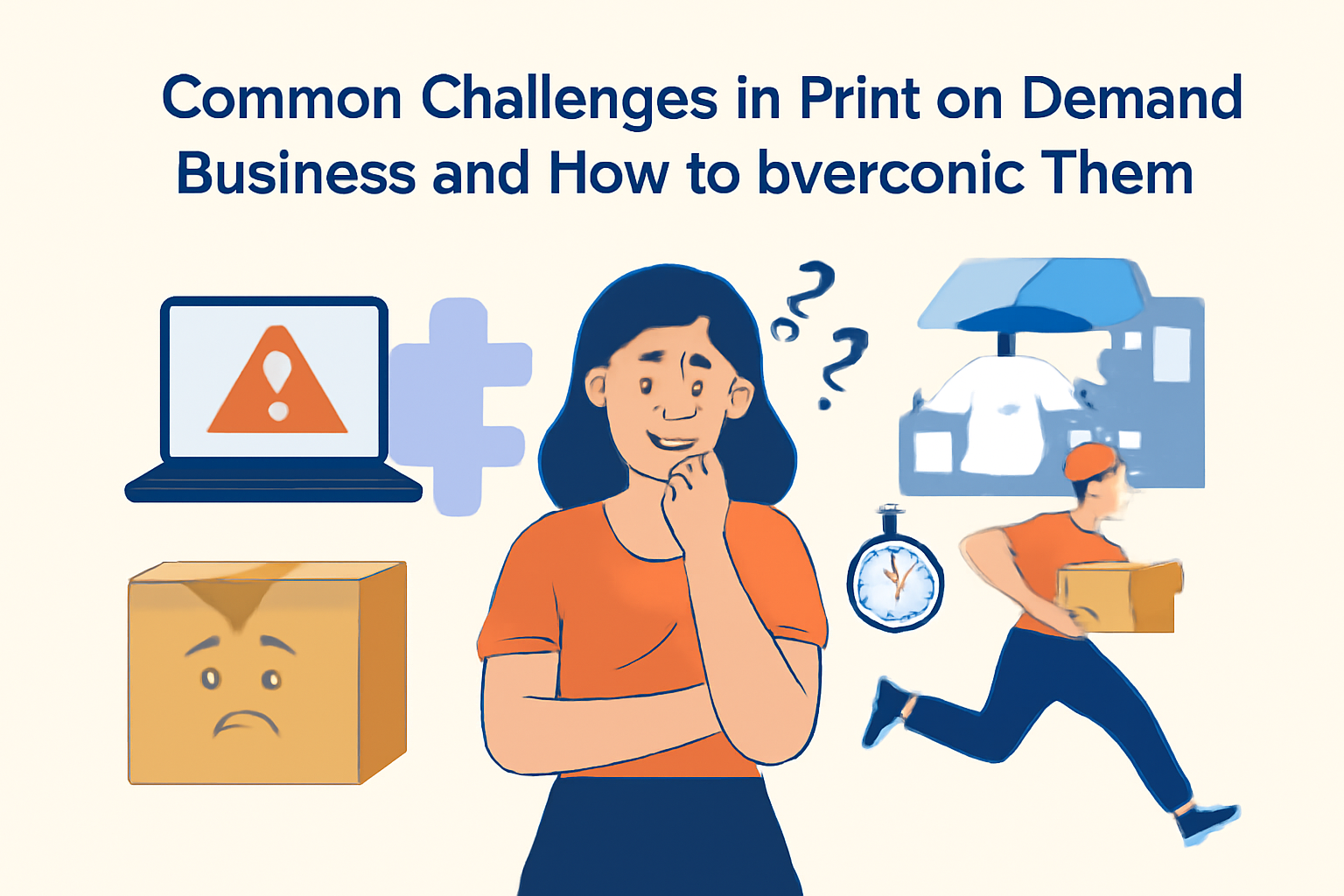
Starting a print on demand business can feel like a rollercoaster ride-exciting, thrilling, but also a bit scary. As you navigate the twists and turns, you may encounter various challenges that could derail your progress or cause frustration. Identifying these challenges early is crucial for long-term success. Understanding the Latest Print on Demand Trends for 2024.
In this guide, we'll explore the most common obstacles print on demand sellers face, along with practical solutions to help you overcome them. Whether you're running a Shopify print on demand store or selling through Etsy custom product listings, these insights will empower you to tackle issues head-on.
Table of Contents

Identifying the Symptoms of Challenges in Print on Demand
Before we dive into solutions, it's essential to recognize the symptoms that indicate you're facing challenges in your print on demand business. These signs can manifest in various ways: Understanding the Latest Print on Demand Trends for 2024.
1. Declining Sales
If your sales numbers are slipping, it's a clear indication that something isn't right. This decline could stem from various sources, including poor marketing strategies or a lack of product variety. To diagnose this issue, consider the following steps:
- Analyze Sales Data: Take a close look at your sales reports over the past months. Identify any trends or patterns, such as specific products that are underperforming or seasonal fluctuations. Utilize tools like Google Analytics to track traffic sources and conversion rates.
- Evaluate Marketing Efforts: Review your current marketing strategies. Are you utilizing social media effectively? Are your ads reaching the right audience? Consider A/B testing to find out what resonates best with your customers. Experiment with different platforms, such as Instagram or Pinterest, where visual content thrives.
- Expand Product Range: If you notice that your product variety is limited, research trending items in your niche and consider adding new designs or products to attract different customer segments. Look into seasonal themes or collaborations with artists to refresh your offerings.
Common mistakes include not keeping up with market trends or failing to engage with your audience. Always be open to feedback and adjust your offerings accordingly. Additionally, consider running customer surveys to gather insights on what products they wish to see.
2. Customer Complaints
Frequent complaints or negative feedback from customers can be a red flag. Issues may arise from product quality, shipping delays, or inaccurate product descriptions. To mitigate these complaints, follow these practical steps:
- Monitor Customer Feedback: Regularly check reviews and feedback on your products. Create a system to categorize complaints to identify common issues. Consider using customer feedback tools to streamline this process.
- Improve Product Descriptions: Ensure that your product descriptions are accurate, detailed, and include high-quality images. Misleading descriptions can lead to unhappy customers. Utilize customer-generated content, such as photos or testimonials, to enhance credibility.
- Enhance Quality Control: Implement a quality control process to ensure that products meet your standards before they are shipped. This could include checking samples or working closely with your suppliers. Establish a checklist for quality assurance that addresses common issues noted in customer feedback.
Common mistakes include ignoring negative feedback or failing to respond promptly to customer inquiries. Addressing complaints swiftly can turn a negative experience into a positive one. Set up automated responses for common inquiries to improve response times, and ensure your team is trained to handle complaints effectively.
3. High Return Rates
A high return rate can be a significant financial burden. If customers are frequently returning items, it may indicate dissatisfaction with the product or service they received. Here are some steps to analyze and address high return rates:
- Analyze Return Reasons: Create a system to track the reasons for returns. This data can help you identify specific issues, whether they relate to sizing, quality, or customer expectations. Use this information to create a report that highlights trends over time.
- Improve Sizing Guides: If sizing is a common reason for returns, consider providing detailed sizing charts and fit guides to help customers make informed choices. Include customer reviews that mention fit to give potential buyers a better idea of how items may run.
- Enhance Customer Support: Offer robust customer support to help customers with their inquiries before they make a purchase. This can reduce the likelihood of returns due to misunderstandings. Implement live chat options on your website for immediate assistance.
Common mistakes include failing to analyze return data or neglecting to reach out to customers who have returned items to understand their experiences. Proactive communication can help you make necessary adjustments and improve customer satisfaction. Consider sending follow-up emails to customers who return items, asking for feedback on how you can improve their experience.
Root Causes of Challenges in Print on Demand
Once you've identified symptoms, it's vital to uncover the root causes behind these challenges. Here are some common issues that can lead to problems in your print on demand business:
1. Lack of Market Research
Many sellers jump into the print on demand world without understanding their target market. Failing to conduct thorough market research can result in offering products that don't resonate with potential customers. To avoid this pitfall, consider these actionable steps:
- Identify Your Niche: Determine what specific market segment you want to target. Are you focusing on pet lovers, fitness enthusiasts, or perhaps fans of a particular hobby? Use social media platforms and forums to gauge interest.
- Analyze Competitors: Look at what successful sellers in your niche are offering. What products are popular? What gaps in the market can you fill? Tools like Google Trends and social listening can help you understand trending topics.
- Survey Potential Customers: Create surveys or polls to gather direct feedback from your target audience. Ask about their preferences, buying habits, and what they feel is missing from current offerings.
- Test Product Ideas: Before fully committing to a product line, consider running small-scale tests. Use platforms like Etsy or eBay to gauge interest in your designs. This can save you from investing heavily in products that may not sell.
2. Poor Quality Control
Quality control is paramount in print on demand. If you're not vigilant about the quality of your products, you risk damaging your brand's reputation. Here are steps to ensure quality:
- Choose Reputable Suppliers: Research and partner with suppliers known for their quality. Read reviews and request samples to assess the quality of their products before listing them for sale.
- Implement Quality Checks: Establish a standard operating procedure for quality checks. This might include inspecting samples from each batch and ensuring they meet your standards before they reach customers.
- Solicit Customer Feedback: Encourage customers to provide reviews and feedback on the quality of your products. This can help you identify issues early and adjust your offerings accordingly.
- Stay Updated on Trends: The print on demand industry is constantly evolving. Keep abreast of new materials and printing technologies that can enhance product quality.
3. Ineffective Marketing Strategies
Even the best products can go unnoticed without effective marketing. If your marketing strategies are outdated or ineffective, it can lead to low visibility and engagement. Consider these strategies to enhance your marketing efforts:
- Utilize Social Media: Leverage platforms like Instagram, Pinterest, and TikTok, where visual content thrives. Create engaging posts that showcase your products and tell your brand's story.
- Invest in SEO: Optimize your product descriptions and website content for search engines. Use relevant keywords to increase your visibility and attract organic traffic.
- Explore Influencer Partnerships: Collaborate with influencers in your niche. They can help promote your products to a broader audience and lend credibility to your brand.
- Run Targeted Ads: Use Google Ads and social media advertising to target specific demographics. Tailor your ads based on interests and behaviors to reach potential customers effectively.
- Analyze Marketing Performance: Regularly review the performance of your marketing campaigns. Use analytics tools to identify what works and what doesn't, allowing you to adjust your strategies accordingly.

Quick Diagnosis
To quickly diagnose your print on demand challenges, consider the following questions:
- Are your sales declining? If so, when did you first notice this trend?
- How often do you receive customer complaints? Are there recurring themes?
- What is your return rate, and what reasons are customers providing for their returns?
- Have you conducted market research to understand your audience's preferences?
- How do your products compare in quality to competitors?
To gain a deeper understanding of your challenges, let's break down each question with practical steps and examples. This will help you identify the root causes of your issues and develop actionable solutions.
Assessing Sales Trends
Start by reviewing your sales data over a set period, such as the last 6 to 12 months. Use analytics tools to visualize trends. If you notice a decline, pinpoint when it started. Was it after a marketing campaign, a seasonal shift, or a product launch? Here are some steps to take:
- Use tools like Google Analytics or your e-commerce platform's built-in analytics to track sales data.
- Look for patterns in sales drops, such as specific months or weeks.
- Compare your sales data with industry trends during the same period.
For example, if your sales began to decline in January, check if this aligns with post-holiday shopping trends. This can help you adjust your marketing strategies accordingly.
Analyzing Customer Complaints
Customer feedback is invaluable for diagnosing issues. Track complaints and categorize them to identify common themes:
- Create a spreadsheet to log customer complaints, including the nature of the complaint and the product involved.
- Look for patterns-are most complaints about shipping delays, product quality, or customer service?
- Consider implementing a follow-up survey after purchases to gather more detailed feedback.
For instance, if multiple customers report that a particular shirt shrinks after washing, it indicates a quality control issue that needs addressing.
Evaluating Return Rates
High return rates can signal significant problems within your business. To evaluate your return rates:
- Calculate your return rate by dividing the number of returned items by the total number of items sold.
- Analyze the reasons provided for returns. Are they due to sizing issues, product defects, or customer dissatisfaction?
- Consider reaching out to customers who returned items to gather more context.
For example, if you find that 30% of your hoodies are returned due to sizing issues, it might be time to revisit your sizing charts and consider offering more detailed size guides to help customers make informed choices.
Conducting Market Research
Understanding your audience is crucial. Conducting market research can help you align your products with customer preferences:
- Use surveys or polls on social media to ask your audience about their preferences.
- Analyze competitors to see what products are popular in your niche.
- Consider joining industry forums or groups to discuss trends and gather insights.
For example, if you find that eco-friendly products are gaining popularity, you might want to explore sustainable materials for your offerings.
Comparing Product Quality
Finally, assess how your products measure up against your competitors. Here's how to do it:
- Order samples from competitors to compare quality, material, and design.
- Solicit feedback from customers regarding their perceptions of your product quality.
- Review online ratings and customer reviews of both your products and those of your competitors.
If customers consistently rate your products lower than competitors, it might be time to reevaluate your suppliers or production processes to ensure higher quality standards.
By systematically addressing these questions and following the outlined steps, you can gain a clearer picture of the challenges facing your print on demand business and start taking steps toward improvement.
Fix It Fast: Solutions to Common Challenges
Now that you have a clearer understanding of the symptoms and root causes, let's discuss actionable solutions to help you turn things around.
1. Invest in Market Research
Understanding your target audience is key to success. Use tools like surveys, social media polls, or keyword research to gauge market interest. Tailoring your offerings based on this research can help you align better with customer needs. Consider creating customer personas to visualize your ideal buyers based on demographics, interests, and purchasing behavior. This will guide your product development and marketing strategies.
2. Implement Quality Control Procedures
Establish a robust quality control process. Work closely with your suppliers to ensure products meet your standards. Consider ordering samples before listing items for sale to ensure quality. Create a checklist for quality checks that includes aspects like material quality, printing accuracy, and packaging standards. Regularly review and update your quality assurance processes based on customer feedback to maintain high standards.
3. Revamp Your Marketing Strategy
Evaluate your current marketing efforts. Utilize social media advertising, influencer partnerships, and SEO for your Shopify print on demand store to increase visibility. Craft compelling content that resonates with your audience and showcases your unique products. Develop a marketing calendar to plan campaigns around key dates and trends. Experiment with different ad formats, like carousel ads or video ads, to see what engages your audience best.
4. Optimize Product Listings
For platforms like Etsy, ensure your custom product listings are optimized. Use high-quality images and clear, engaging descriptions that highlight the benefits of your products. Effective SEO practices can improve your visibility in search results. Incorporate relevant keywords into your titles, descriptions, and tags. A/B test different listing styles and descriptions to see which ones convert better. Don't forget to include customer reviews and ratings in your listings to build trust with potential buyers.
5. Offer Exceptional Customer Service
Respond promptly to customer inquiries and complaints. Providing excellent customer service can turn a negative experience into a positive one, encouraging repeat business and referrals. Create a FAQ section on your website to address common questions and concerns. Implement a ticketing system to track customer interactions and ensure timely follow-ups. Consider offering personalized messages or discounts for repeat customers to foster loyalty.
6. Streamline Your Order Fulfillment Process
Efficiency in order fulfillment can significantly impact customer satisfaction. Evaluate your current fulfillment process and identify bottlenecks. Implement an order management system to track inventory levels and automate order processing. Set clear expectations for shipping times and communicate proactively with customers about their order status. Regularly analyze fulfillment metrics to identify areas for improvement.
7. Stay Adaptable and Open to Feedback
In the dynamic print on demand landscape, staying adaptable is crucial. Encourage customer feedback through reviews and surveys, and be willing to make changes based on their input. Regularly assess market trends and be prepared to pivot your product offerings or marketing strategies as needed. Join print on demand communities or forums to share experiences and learn from others in the industry.
Conclusion
Challenges in the print on demand business are common, but they don't have to spell disaster for your venture. By recognizing symptoms, identifying root causes, and implementing practical solutions, you can navigate the rocky waters of this industry. Take the first actionable step today by diving into market research to better understand your customers and refine your offerings. Embrace the learning curve, and remember that every setback can lead to a valuable lesson.
Key Takeaways
- Stay Informed: Keep up with industry trends and customer preferences. Regularly check forums, social media, and competitor offerings. Consider subscribing to industry newsletters or joining groups focused on print on demand to stay ahead of the curve.
- Test and Iterate: Don't be afraid to experiment with different products and designs. Use A/B testing to determine what resonates best with your audience. Track your results meticulously to understand what works and what doesn't.
- Build a Strong Brand: Focus on creating a unique brand identity that stands out in a crowded market. This includes consistent messaging, quality products, and excellent customer service. Consider developing a brand style guide to ensure uniformity in your communications.
Actionable Steps
- Conduct Market Research:
- Utilize tools like Google Trends to identify popular products. Look for rising trends that can give you a competitive advantage.
- Survey your current customers to gather feedback on their preferences. Use tools like SurveyMonkey or Google Forms for easy distribution.
- Analyze competitors to see what works for them and where you can improve. Take note of their top-selling items and customer engagement strategies.
- Refine Your Offerings:
- Start with a small, focused product line to test the waters. This allows you to manage quality and customer expectations more effectively.
- Gradually expand based on customer feedback and sales data. Use analytics to track which products are performing well and which are not.
- Consider seasonal trends and events to tailor your offerings accordingly. Create limited-time designs that align with holidays or significant events to boost sales.
- Optimize Your Operations:
- Choose reliable print on demand partners who can deliver quality products consistently. Research reviews and request samples before committing.
- Streamline your order fulfillment process to reduce delays and enhance customer satisfaction. Implement a clear workflow from order placement to delivery.
- Invest in automation tools to manage inventory and orders efficiently. Tools like Printful and ShipStation can help simplify processes and reduce manual errors.
Common Mistakes to Avoid
- Neglecting Customer Feedback: Always listen to your customers. Ignoring their input can lead to missed opportunities for improvement. Create a feedback loop where customers can easily share their thoughts.
- Overcomplicating Your Offerings: Start simple. Too many options can overwhelm customers and dilute your brand. Focus on quality over quantity, and expand only when you have a solid foundation.
- Failing to Market Effectively: Invest time and resources into marketing strategies that reach your target audience. Social media, email marketing, and SEO are crucial. Create a content calendar to plan and execute your marketing efforts consistently.
Final Thoughts
While the print on demand business can be fraught with challenges, the potential for success is immense. By staying proactive, continuously learning, and adapting to the market, you can turn obstacles into stepping stones for growth. Remember, every challenge is an opportunity to innovate and improve your business. So, roll up your sleeves, embrace the journey, and let your creativity shine! And don't forget to celebrate your wins, no matter how small-they're all part of the adventure!
Enjoying This Article? Join The Free POD Community. Connect with other print-on-demand sellers, ask questions, and keep learning inside the Print On Demand Coach community.
Learn More